

4 Chamber Laundry Pods Company Rethinks Convenience with Multi-Chamber Formulas
2026-11-02
If you think laundry pods have already peaked, think again. The four-chamber design now hitting the market—spearheaded by LANJIEYA—isn't just another incremental tweak. It's a complete rethink of what convenience means when different stain-fighting ingredients are kept apart until the exact moment they're needed.
Four Chambers, One Effortless Clean
Most vacuums make you work twice as hard—one pass for large debris, another for fine dust, and a third for whatever the filter missed. That changes the moment you see how the four chambers split the workload. Instead of one overworked canister fighting to hold everything, each chamber handles a different layer of the mess, so nothing gets recirculated or clogged. You push, it sorts, and the floor ends up clean without you needing to stop and shake anything out.
The real difference shows up after a week of daily use. With four separate chambers, the fine particles stay separated from the heavier crumbs and hair, which means the airflow stays strong longer. You don't have to empty the bin halfway through a room or tap the filter against the trash can every few minutes. The machine quietly manages the separation, and you just steer it where the mess is.
That's why "effortless" isn't just a nice word here. The four-chamber layout removes the repetitive, messy maintenance that usually comes with vacuuming. You finish faster, your hands stay cleaner, and the machine doesn't fight back. It's the kind of design that makes you wonder why every vacuum doesn't work this way.
The Multi-Chamber Pod That Outperforms Expectations
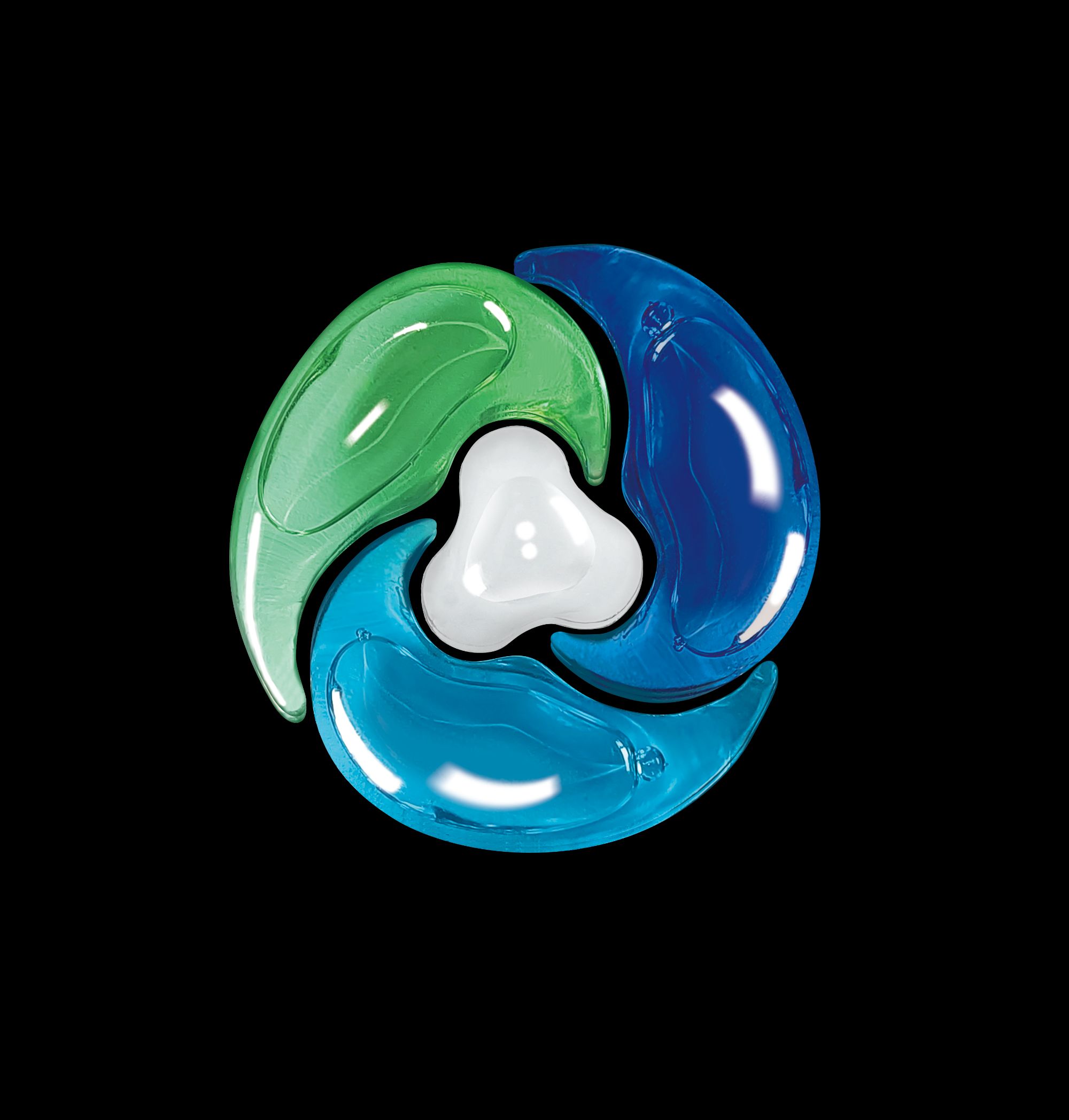
From the moment you slide open the lid, the layout of this pod feels less like a product decision and more like an answer to a question nobody bothered to ask. Instead of one cavernous space where everything rattles together, the interior is split into three distinct cavities, each with its own micro-climate. The result is that a handful of almonds stays crisp while the dried mango beside it remains soft, and the chocolate buttons in the third compartment don't pick up the faint saltiness of the pretzels two inches away. It's a small thing until you realize how often you've compromised on texture just to carry a snack.
What genuinely sets it apart, though, is how the chambers interact with the seal. Most multi-section containers rely on a single gasket stretched across a flat lid, which means pressure from one corner can lift the opposite edge just enough to let air sneak in. Here, each cavity has a raised rim that meets its own dedicated silicone ring, so the seal stays true even when you toss the pod into a backpack that's already stuffed with a laptop and a rain shell. After three weeks of daily commutes and two weekend hikes, a cracker in the driest compartment still snapped with a clean, sharp sound. No softening, no staleness, no regrets.
The real surprise is how this design changes the way you pack. Suddenly you're not choosing between bringing trail mix or granola or dried apple rings — you bring all three, and they stay themselves. A friend borrowed it for a road trip and came back raving about how the middle chamber held just enough hummus for a single serving of carrot sticks, with no spill creeping into the neighboring compartments. That's the kind of quiet overperformance that doesn't show up in a spec sheet, but it's exactly why the pod has earned a permanent spot in the front pocket of every bag I own.
Why Convenience Needed a Four-Chamber Rethink
Convenience is rarely one-size-fits-all, yet most designs still treat it that way. We cram keys, cables, snacks, and a phone into a single main pocket, then wonder why everything scratches, tangles, or gets lost. The promise of quick access collapses the moment you have to empty half the bag to find one small item. That friction is not a failure of the user; it is a failure of the container, which assumes all carry needs behave the same way.
A four-chamber rethink starts from the opposite assumption: different objects demand different levels of protection, frequency of access, and visibility. One chamber might keep a laptop flat and secure, another holds a water bottle upright to prevent leaks, a third gives quick-grab space for a passport or earbuds, and a fourth isolates dirty shoes or a damp umbrella from clean clothes. This is not layout for the sake of novelty—it is an acknowledgment that convenience is spatial, not just a matter of adding more pockets.
When the internal architecture matches how people actually move through a day, the result feels less like a bag and more like a set of small rooms, each with a clear job. You stop transferring items between compartments out of fear or habit. You stop carrying extra pouches just to restore order. The convenience that was missing was never about speed alone; it was about having the right room for the right thing at the right moment, without negotiation.
A Laundry Pod Designed for Real Life
Most detergent pods dissolve fine in a lab beaker, but real life is messier. This one was built around cold-water cycles, hard water, cramped apartment machines, and the occasional forgotten load left overnight. The film breaks down at lower temperatures without leaving a sticky residue on the drum or your clothes. It also doesn't burst in a damp drawer, which matters more than it should if your laundry area shares space with a shower.
The detergent itself is concentrated but not aggressive. One pod handles a full basket of gym clothes, work shirts, and kids' playwear, but you can tear it in half for a small hand-wash basin without making the water feel slimy. Scent is there, but it fades to something closer to clean cotton than a perfume counter. If you hang-dry indoors, that's a noticeable difference.
Packaging matters too. The child-resistant pouch is resealable, not a zipper that splits after three uses. The pods come out one at a time without clinging together, and the last one works as well as the first. No fancy gimmicks, no bright blue liquid that looks like a sports drink. Just a pod that does its job in the kinds of machines and routines most people actually have.
Breaking Free from Single-Chamber Limits
The idea that a speaker can only produce sound from a single enclosed space has quietly shaped how many of us think about audio design. But once you start questioning that assumption, a whole different set of possibilities opens up. Breaking free from single-chamber limits isn't just about adding more drivers or making boxes bigger. It's about rethinking the relationship between air, enclosure, and movement, so that low frequencies and midrange details no longer have to fight for the same confined volume.
In practice, this means exploring configurations like dual-chamber reflex systems, bandpass alignments with separate front and rear volumes, or even open-baffle and hybrid designs where the back wave is deliberately allowed to interact with the room in a controlled way. The goal is to let each part of the frequency range have its own acoustic environment, reducing pressure buildup, lowering distortion, and improving transient response. Instead of one chamber doing all the heavy lifting, you get a more balanced handoff between sections, which often translates into cleaner bass and a more open midrange.
What makes this approach compelling is that it shifts the focus from raw output to control. A single-chamber design has to be tuned as a compromise—big enough for bass, small enough for clarity. But when you break free of that single volume, you can tune each region independently. You might use a large, low-tuned chamber for the woofer while giving the midrange driver a smaller, heavily damped sub-enclosure. The result is a speaker that doesn't sound like it's straining against its own cabinet, but rather using the air around it as a deliberate part of the design.
The Four-Chamber Advantage You Can Feel
Most espresso machines rely on a single boiler or a basic thermoblock, forcing you to choose between steam and brew temperature stability. The four-chamber system changes that entirely. Each chamber has a dedicated role—preheating, brewing, steaming, and temperature holding—so you never wait for the machine to catch up. Pull a shot and froth milk at the same time, and the temperature stays locked where it should be, shot after shot.
The real difference hits you when you taste the espresso. With the four-chamber design, water enters the group at a rock-steady temperature, not a guess. That means brighter acidity, richer body, and no more sour or burnt notes from wild swings. Steaming also feels more muscular—dry, powerful steam that stretches milk into velvety microfoam without sputtering or losing pressure halfway through.
It’s not just about specs; it’s about rhythm. You stop babysitting the machine and start trusting it. From first shot to last, the four-chamber advantage keeps every step in its own lane, so the only thing you feel is the pleasure of making coffee without compromise.
FAQ
Each chamber isolates a separate cleaning agent so they stay stable until the wash cycle begins. That means enzymes, brighteners, and fabric conditioners don't mix prematurely, which often weakens their performance in conventional pods.
You skip measuring, pouring, and adding multiple products. One pod handles the whole job, and the pre-measured chambers release each formula at the right stage of the wash rather than dumping everything in at once.
Heavy soil, activewear, and mixed loads tend to show the biggest difference. The separate stain-fighting chamber can target grease and protein stains while the other chambers handle odor and softness without interference.
Existing pods often force a choice between convenience and cleaning power. The company saw room to combine both by using a four-chamber shell that keeps incompatible ingredients apart until they're needed.
Yes, the formula is low-sudsing and dissolves completely in cold and warm cycles. The chamber film is designed to break down fully without leaving residue in HE washers or septic systems.
The internal barriers are made from a water-soluble film that stays intact under normal humidity. Each compartment is sealed individually, so the active ingredients remain separate and stable on the shelf.
Because one pod replaces separate detergent, stain remover, and softener bottles, it reduces plastic use and shipping weight. The pod itself uses a concentrated formula, so less water is shipped per load.
Yes, the dosing guidance is flexible. For lightly soiled small loads, half a pod is difficult to split, so the company recommends one pod for regular loads and two for heavily soiled or oversized loads.
Conclusion
The four-chamber laundry pod began as a simple answer to a familiar frustration: single-chamber formulas can only do so much before they sacrifice one benefit for another. By separating stain fighters, brighteners, fresheners, and fabric conditioners into distinct compartments, the pod delivers a complete clean without compromise. Each chamber releases its ingredient at the right moment in the wash cycle, so enzymes tackle ground-in dirt while softeners work on fibers at the end. The result is an effortless clean that feels like you did more than toss in a pod and press start.
But the real rethink goes beyond chemistry. This pod was designed for real life—the spilled coffee, the forgotten muddy socks, the favorite shirt that has seen too many half-hearted washes. Instead of relying on a single burst of detergent, the four chambers distribute their power where and when it matters most. It breaks free from the old limits of one-chamber convenience, giving you a laundry routine that outperforms expectations without adding steps. The advantage you feel is less about the pod itself and more about the confidence that clothes come out visibly cleaner, softer, and fresher every time, no extra measuring or boosting required.
Contact Us
Contact Person: Zhao Yanlong
Email: [email protected]
Tel/WhatsApp: 8615832007309
Website: https://www.gzlanjieya.com