

Best Dry-Type Transformers: Comprehensive Guide for Optimal Performance
2025-12-29
In the world of power distribution, choosing the right dry-type transformer can make or break your system's efficiency and safety. Whether you're an engineer, facility manager, or industry enthusiast, understanding what sets the best transformers apart is crucial. At Lugao, we've spent decades refining our approach—and in this comprehensive guide, we'll unveil the insider tips to help you achieve optimal performance. From cutting-edge materials to innovative cooling techniques, get ready to dive deep into what truly matters. Let's explore why these unsung heroes of electrical systems deserve your full attention.
Essential Design Features of Dry-Type Transformers
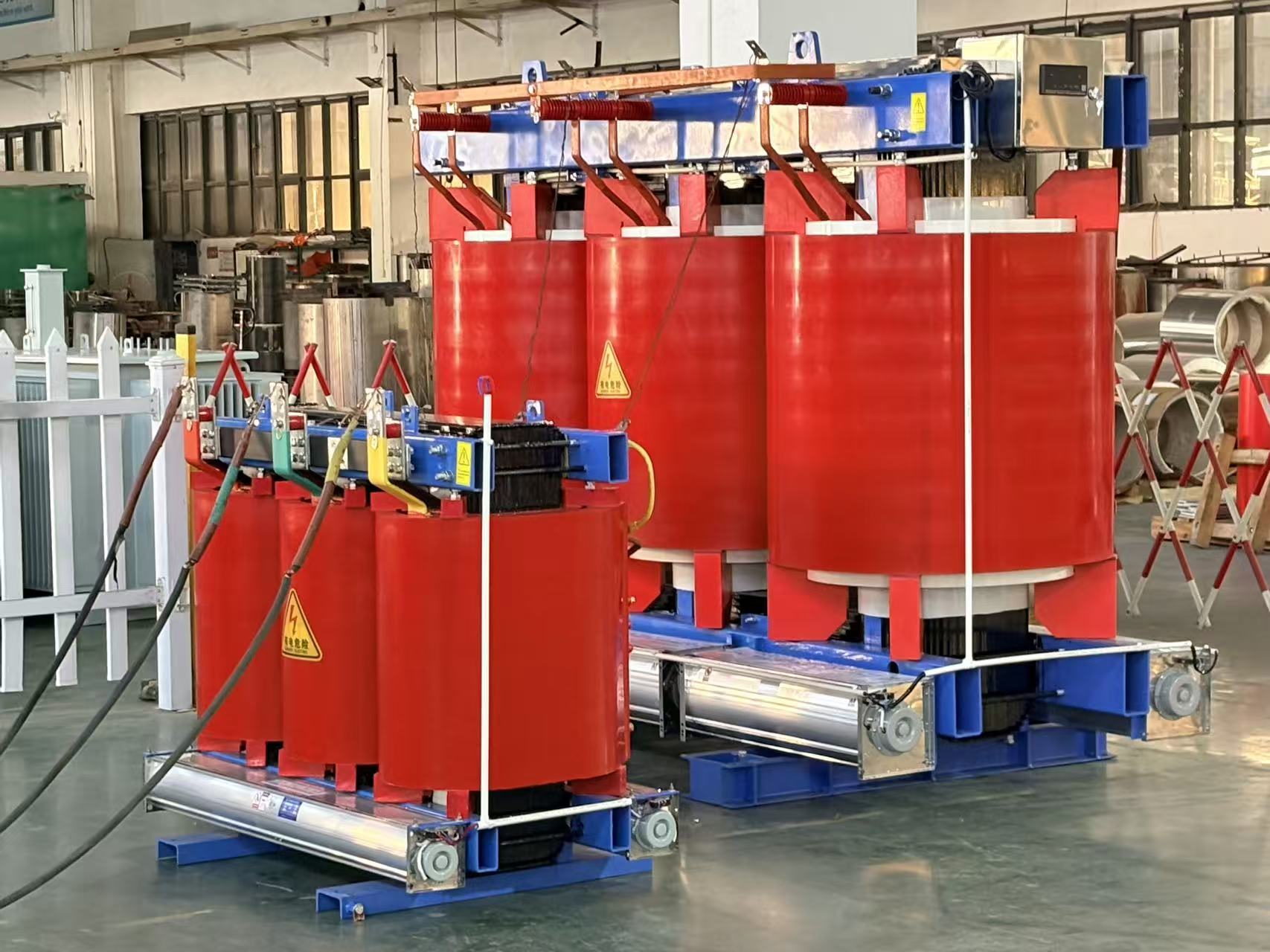
Dry-type transformers stand out in modern electrical systems for their non-liquid insulation, which eliminates the risk of oil leaks and fires. This design hinges on air or resin encapsulation to insulate windings, making them ideal for indoor applications or environments where safety is paramount. Key components include high-temperature-rated materials like epoxy or cast resin, which enhance durability and resistance to moisture. These transformers often feature advanced cooling systems, such as natural convection or forced air, to manage heat dissipation effectively without relying on external fluids.
Another critical aspect is their compact and modular construction, which allows for easy installation and maintenance in tight spaces. Manufacturers prioritize robust enclosures to protect against dust and humidity, ensuring long-term reliability. Innovations in design often incorporate noise-reduction techniques and improved electromagnetic compatibility, catering to sensitive settings like hospitals or data centers. By focusing on sustainability, many models use recyclable materials and energy-efficient cores to reduce environmental impact.
Furthermore, dry-type transformers emphasize flexibility in voltage regulation and load handling, with customizable options for specific industrial needs. Their ability to operate in harsh conditions, such as high altitudes or corrosive atmospheres, stems from sealed designs and corrosion-resistant coatings. This adaptability, combined with low maintenance requirements, makes them a cost-effective choice for diverse applications, from commercial buildings to renewable energy projects.
Key Applications and Industry-Specific Advantages
Key applications extend across sectors like manufacturing and logistics, where real-time data processing optimizes supply chains by reducing downtime and forecasting demand with precision. In healthcare, these systems support personalized medicine through advanced analytics, enabling tailored treatments and improved patient outcomes. Financial services leverage them for fraud detection and automated trading, enhancing security and operational efficiency.
Industry-specific advantages become apparent in fields such as agriculture, where sensor-driven technologies increase crop yields by monitoring soil conditions and water usage, promoting sustainable practices. The automotive sector benefits from innovations in autonomous driving, which not only boost safety but also reshape urban mobility with smarter traffic management. Retail and e-commerce gain from customer behavior insights, driving targeted marketing and dynamic pricing strategies for higher engagement.
Emerging areas like smart cities and environmental monitoring showcase how these applications lead to resource conservation and rapid response to crises, fostering economic growth and community resilience. By adapting to unique industry needs, these solutions deliver tangible benefits, from cost savings to competitive edges, solidifying their role in driving modern advancements and addressing specific challenges across diverse fields.
Installation Best Practices for Long-Term Reliability
Getting your system up and running smoothly for the long haul starts with a solid foundation. It's tempting to rush through the setup process, but taking the time to ensure precise alignment, secure fastening, and proper material selection can dramatically reduce wear and tear over years of operation. For instance, in mechanical installations, using calibrated tools to achieve exact torque specifications prevents stress concentrations that lead to premature failure. Similarly, in electrical setups, verifying cable ratings and implementing strain relief techniques at connection points can prevent intermittent faults that often surface only after months of use.
Beyond the initial physical installation, environmental considerations play a crucial role in sustaining performance. This involves more than just following basic guidelines; it requires a tailored approach based on your specific operating conditions. For example, in humid or corrosive atmospheres, applying protective coatings or selecting corrosion-resistant alloys can block degradation pathways that standard installations might overlook. Additionally, planning for thermal expansion and vibration by incorporating flexible couplings or isolation mounts helps maintain integrity under dynamic stresses, ensuring components don't loosen or crack as temperatures fluctuate.
Documentation and proactive maintenance should be integrated from day one to support longevity. Rather than treating manuals as an afterthought, create detailed records of installation parameters, such as alignment tolerances and fastener types, which serve as a reference for future troubleshooting. Implementing a schedule for periodic inspections—like checking for signs of lubricant breakdown or monitoring electrical contact resistance—allows you to address minor issues before they escalate into major downtime. By combining meticulous setup with ongoing vigilance, you build a resilient system that delivers consistent, reliable service well beyond typical lifespans.
Maintenance Protocols to Prevent Operational Downtime
Proactive maintenance isn't just a checklist; it's the backbone of keeping systems humming without interruption. Instead of waiting for things to break, we focus on scheduled, predictive, and preventive actions—like routine software updates, hardware inspections, and performance monitoring. This approach catches small issues before they snowball into major outages, ensuring that operations run smoothly day in and day out. Think of it as giving your tech a regular health check-up rather than rushing to the emergency room when it's too late.
Customized protocols tailored to specific environments make all the difference. For example, in a manufacturing plant, vibration analysis on machinery can predict failures weeks in advance, while in IT networks, automated alerts for bandwidth spikes help prevent bottlenecks. By integrating real-time data and feedback loops, teams can adapt maintenance schedules dynamically, reducing unnecessary downtime and optimizing resource use. It's about smarter, not harder, work—using insights to stay one step ahead of problems.
Engaging everyone from frontline staff to management fosters a culture of vigilance. Clear communication channels and documented procedures ensure that when maintenance is due, everyone knows their role, minimizing confusion and delays. Regular training sessions and simulations prepare teams for unexpected scenarios, turning potential crises into manageable routine tasks. In the end, preventing operational downtime isn't just about technology; it's about building a resilient, responsive organization that values uptime as a key performance indicator.
Energy Efficiency Ratings and Environmental Impact
When evaluating appliances or buildings, energy efficiency ratings often take center stage, offering a clear metric for how much power they consume. These ratings, like the ENERGY STAR label in the U.S. or similar systems worldwide, aren't just about saving on electricity bills—they're a direct link to reducing carbon emissions and combating climate change. By choosing high-efficiency options, consumers can significantly cut down their energy use, which translates to fewer greenhouse gases released into the atmosphere from power plants.
Beyond the immediate environmental benefits, these ratings influence broader practices, pushing manufacturers to innovate and develop greener technologies. Over time, this shift can lead to a substantial decrease in resource depletion and pollution. It's worth noting that while ratings focus on energy, they often correlate with other eco-friendly aspects, such as water conservation or reduced waste, making them a holistic tool for sustainability-minded decisions.
In practical terms, energy efficiency doesn't just stop at individual savings; it scales up to national and global impacts. Countries that prioritize these standards can see lowered energy demands, reduced reliance on fossil fuels, and improved air quality. This ripple effect underscores why paying attention to those ratings is more than a personal choice—it's a step toward a healthier planet for future generations.
Advanced Materials Enhancing Transformer Durability
In the evolving landscape of electrical infrastructure, the integration of advanced materials has become a cornerstone for boosting the longevity and reliability of transformers. By moving beyond traditional steel and copper, modern designs incorporate nano-coated insulators and composite alloys that resist degradation from thermal cycling and environmental stressors. These innovations not only extend service life by decades but also reduce maintenance intervals, ensuring that critical power distribution remains uninterrupted even under demanding operational conditions.
One standout approach involves the use of amorphous metal cores, which significantly cut down on energy losses compared to conventional silicon steel. This material's unique atomic structure minimizes hysteresis and eddy currents, leading to cooler operation and less wear over time. Coupled with advanced liquid dielectrics like ester-based oils, which offer superior fire resistance and moisture tolerance, transformers can withstand harsh climates and accidental overloads without compromising safety or performance.
Beyond core components, surface treatments and smart coatings play a pivotal role in safeguarding against corrosion and mechanical damage. For instance, graphene-enhanced paints provide an impermeable barrier against moisture and contaminants, while self-healing polymers can automatically repair minor cracks before they escalate. These material advancements, often tailored for specific applications like offshore wind farms or urban grids, exemplify how cutting-edge engineering is redefining durability standards, making transformers not just more robust but also more adaptable to future energy demands.
FAQ
Dry-type transformers use air or gas as insulation instead of liquid coolants like oil, making them safer and more eco-friendly. They're ideal for indoor applications due to reduced fire risk and lower maintenance needs.
Focus on key factors like load capacity, efficiency ratings, and robust construction. Opt for models with high-quality insulation materials and thermal management systems to prevent overheating and extend lifespan.
Watch for unusual noises, excessive heat, or insulation degradation. Regular inspections can catch issues like dust buildup or winding damage early, preventing costly failures.
Yes, modern designs with advanced cooling and durable components are built for tough conditions. Look for models rated for high ambient temperatures and variable loads to ensure consistent performance.
Essential features include over-temperature protection, fault detection systems, and proper ventilation. Ensure compliance with safety standards to minimize risks like electrical fires.
Correct installation, including adequate clearance and stable mounting, reduces stress on components. Follow manufacturer guidelines for wiring and environmental controls to optimize performance and durability.
Emerging tech includes smart monitoring sensors for real-time diagnostics, improved insulation materials for better heat resistance, and designs that boost energy efficiency while cutting noise.
Yes, implement routine cleaning, periodic thermal imaging checks, and load monitoring. Proactive upkeep reduces repair costs and downtime, making it a smart investment over the transformer's life.
Conclusion
Dry-type transformers represent a superior choice for modern electrical systems, combining essential design features with advanced materials to enhance durability and performance. Unlike liquid-filled alternatives, they eliminate the risk of leaks and require less maintenance, making them ideal for applications where safety and reliability are paramount. Key applications span industries like data centers, healthcare facilities, and manufacturing plants, where their compact size, fire-resistant properties, and reduced environmental impact offer distinct advantages. The use of high-quality insulation, such as epoxy resin or cast resin, ensures robust performance in harsh conditions, while innovations in core materials contribute to energy efficiency and longevity.
To maximize the benefits of dry-type transformers, adherence to installation best practices is crucial. Proper placement in well-ventilated areas minimizes overheating risks, ensuring long-term reliability. Regular maintenance protocols, including visual inspections and thermal monitoring, help prevent operational downtime by detecting issues early. Furthermore, energy efficiency ratings, often compliant with standards like IEC 60076-11, underscore their eco-friendly profile by reducing power losses and carbon emissions. By integrating these aspects—from design to maintenance—users can optimize transformer performance, achieving a balance between cost-effectiveness and sustainability in diverse industrial settings.
Contact Us
Contact Person: Doreen
Email: [email protected]
Tel/WhatsApp: 8618057712366
Website: https://www.liugaopower.com/