

Cargo Liner Supplier Qualities That Ensure Durable Freight Protection
2026-11-16
Most cargo damage doesn't start at sea—it starts with a liner that was never built for the job. The difference between a secure shipment and a costly claim often comes down to cargo liner supplier qualities that are easy to overlook until it's too late. At FANDEWEI, we’ve seen how the right material, stitching, and fit turn a liner from basic coverage into durable freight protection. Before you book the next load, here are the traits that actually keep cargo dry, stable, and intact.
Material Choices That Hold Up Under Real Shipping Strain
Most boxes look sturdy on a shelf, but a single-wall carton can turn soft after a few hours against a damp dock floor. That is why boards with a higher basis weight and a moisture-resistant liner often outlast lighter options once pallets get shuffled, re-strapped, and shoved into trailers. Double-wall corrugated adds crush resistance at the corners where forklift clamps tend to bite, and it does not bow as much under a stack of three or four heavy cartons.
Void fill matters just as much as the outer shell. Air pillows are cheap and clean, but they pop under sustained pressure and leave the product vulnerable by the time a parcel reaches its third hub. Molded pulp or die-cut foam inserts, on the other hand, absorb repeated vibration without shifting. They keep the item from drifting toward the edges of the box, which is where most impact damage happens.
Sealing gets overlooked until a package arrives with one flap yawning open. Heavy-duty acrylic or hot-melt tapes hold their grip through temperature swings that make standard office tape brittle. Reinforced tapes with fiberglass strands add a little insurance on bulky cartons where the contents push outward from the inside.
Precision Fit Reduces Cargo Movement and Surface Wear
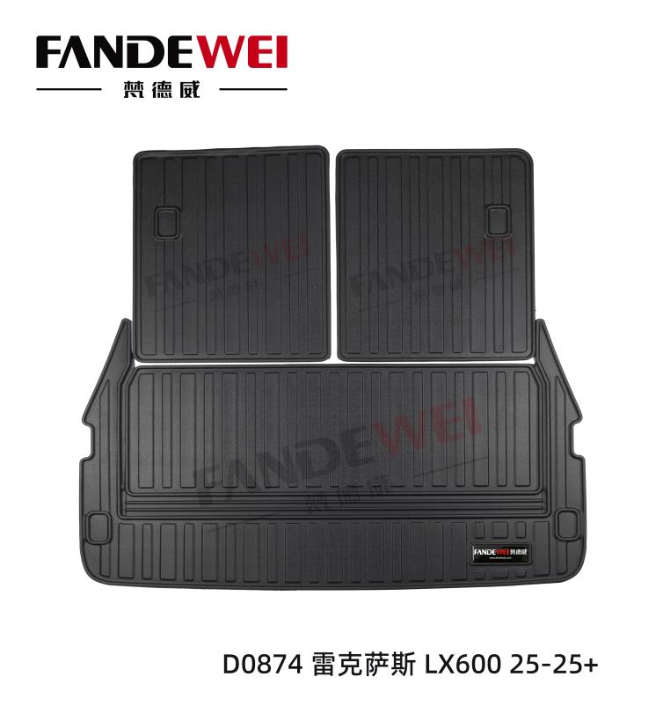
A gap of just a few millimetres is enough to turn a stable load into something that rocks, shifts, and grinds against the bed with every corner and braking manoeuvre. Precision-fit protection removes that slack by following the actual contours of the vehicle floor, wheel housings, and tie-down points, so items sit flat instead of resting on raised edges or curled corners. Once the liner stops moving independently from the vehicle, the repeated micro-sliding that causes scuffs and surface wear drops off sharply.
That close trim also changes how pressure spreads across the floor. Instead of concentrated rub points at the edges of a loose mat, the load's weight transfers evenly through a surface that stays put under foot and under cargo. The result is less polishing of the paint, fewer shallow scratches around the wheel arches, and a noticeably quieter ride because the usual squeaks and thumps from shifting freight are damped before they start.
Coatings and Barriers Built for Moisture, Abrasion, and UV Exposure
Moisture rarely announces itself until adhesion fails and blisters start forming under the surface. These coating systems are formulated with high-solids hydrophobic resins that cure into a continuous film, sealing seams and micro-cracks before water can find a path. The result is less capillary action at edges and fewer hidden corrosion cells.
In loading docks, walkways, and mechanical rooms, abrasion works slowly and then suddenly. Instead of relying on a single thick coat, the barrier layer is built around tough elastic binders and fine ceramic aggregates that spread impact energy without cracking. Dry film thickness is kept consistent across corners and profiles, where wear usually begins.
UV exposure tends to chalk out the binder and leave pigment behind as dust. These formulations use hindered amine light stabilizers and UV absorbers that interrupt the degradation cycle, so gloss and color hold longer even on south-facing metal and membrane surfaces. Recoating intervals stretch out because the surface keeps its elasticity instead of turning brittle.
Testing Habits That Reveal Weak Points Before Delivery
Try using the feature the way a rushed person would use it on a bad day. Skip every optional field, close the tab mid-step, and refresh at the worst possible moment. The weak points usually appear when the flow has to recover from an interruption, not when it follows the intended sequence.
Let someone who knows nothing about the feature click around without giving directions. Their hesitation before pressing a button, or the label they misread, often points to a flaw that scripted tests will never catch. Take notes on where they pause before you ask anything.
Before the final check, write down the assumptions that have to hold for the work to succeed. Then break them on purpose. Send an empty file, switch to a low-permission account, or work on a slow connection. If the feature cannot say what went wrong and offer a way forward, it still has weak points to fix.
Customization Without the Usual Lead Time Guesswork
Most customization requests start with a vague promise and an open-ended wait. Here, the process begins with a defined set of parameters that pin down materials, dimensions, and finishing touches before the first quote is sent. That removes the usual back-and-forth about what might arrive and when.
Once your choices are locked in, a production slot is assigned immediately. You can see the exact hand-off date instead of relying on a broad range. If something in the request needs adjustment, the impact on timing is shown right away, so there is no silent drift while you wait for an update.
The result is a customized order that moves through the queue with the same confidence as a standard item. There is still room for personal preference, but not for guesswork about the schedule.
Supply Consistency That Keeps Freight Protection Predictable
Supply consistency is less about having full shelves and more about removing guesswork from how freight is protected before it leaves the dock. When the same cushioning, barrier films, and load-securing materials arrive in the same condition, on the same cadence, and to the same spec, pack teams can build a repeatable process instead of adjusting to whatever happens to be in stock that week.
Frequent supplier changes or quiet substitutions tend to show up as small differences: a slightly thinner wrap, a marginally shorter corner board, a liner that tears a little earlier. None of them look serious on their own, but over a long haul they add up to shifted pallets, moisture intrusion, and damaged edges. Stable supply removes those micro-variables before a shipment ever leaves the warehouse.
That predictability also changes how teams plan. They stop writing emergency workarounds for missing materials and stop over-padding shipments because they do not trust the current batch. With fewer last-minute fixes, loading times level out, damage claims become easier to forecast, and the freight arrives closer to the condition it had when the doors were sealed.
FAQ
Look at the questions they ask before quoting. A capable supplier wants to know about cargo type, route conditions, and how freight is secured. When they ask for those details, they usually recommend liners with the right thickness, flex, and anchoring instead of handing over a standard roll.
Most failures begin at seams, corners, and anchor points, not across the open fabric. Durable liners come from suppliers who reinforce those high-stress zones and use coatings that handle constant rubbing, so the liner stays intact even when the load shifts.
When a liner tears or a shipment changes, waiting days for answers leaves cargo exposed. A responsive supplier helps you source the right replacement fast, which keeps operations moving without forcing you to wrap freight in thinner improvised material.
Not always. A supplier with a focused range often has deeper hands-on knowledge of the products they sell. They can tell you exactly how a liner behaves under tension or moisture, which beats a large catalog full of generic specs.
Custom-fitted liners remove loose folds that catch on cargo and trap moisture. Paired with properly placed anchors, the liner stays put during braking and cornering. That cuts friction damage and keeps the protective barrier consistent across the full load.
Clear information on fabric weight, tear resistance, coating, and temperature range. When a supplier provides those details without being vague, you can match the liner to real operating conditions. Missing or overly general specs often hide limitations that appear under stress.
Ask which liner features actually extend service life for your specific lanes. A trustworthy supplier will point out where a heavy-duty upgrade pays off and where a standard option is enough, instead of pushing the most expensive liner for every shipment.
Conclusion
A cargo liner supplier earns trust long before the first container is sealed, and that trust usually starts with material selection. The best options are not pulled from a catalog alone; they are matched to the abuse freight actually faces—forklift scuffs, pallet friction, sudden stops, and shifting loads. Abrasion-resistant films and high-tensile woven layers hold their shape when cargo grinds against sidewalls, while precise panel dimensions reduce the slack that lets goods drift, rub, and chafe. A liner that fits snugly against the floor and walls does more than look tidy; it cuts the micro-movements that slowly wear through fabric over days at sea or long-haul trucking.
Protection also depends on surface treatments that go far beyond basic waterproofing. Moisture-blocking coatings, anti-abrasion finishes, and UV-stable barriers help the liner keep its strength in humid holds, dusty yards, and sun-exposed staging areas. Reliable suppliers prove these claims through repeated burst, puncture, and seam tests, catching weak points before delivery rather than after a damage claim. They also handle custom sizing without vague lead times, so a one-off height or vent placement does not stall an entire loading schedule. When that same consistency extends across every order—same thickness, same weld quality, same packaging—freight protection becomes less about luck and more about a supplier's daily habits.
Contact Us
Contact Person: Jet
Email: [email protected]
Tel/WhatsApp: 8619903745266
Website: https://www.fandewei.com/