

China Oil Flow Switch: Essential Guide to Applications and Benefits
2026-11-16
When a pipeline runs dry or a cooling system fails silently, the damage often begins long before anyone notices. In industrial settings across China, oil flow switches are the unsung guardians that detect these exact moments—yet many operators still overlook their critical role. This guide cuts through the jargon to explore where these devices truly shine, from hydraulic presses to marine engines, and why choosing a reliable supplier matters more than you think. At HONGSEN, we've seen firsthand how the right flow switch can prevent catastrophic downtime, and the wrong one can trigger a cascade of false alarms. Whether you're replacing an aging unit or designing a new skid, the applications and benefits ahead will challenge a few assumptions—and maybe save you from a very expensive surprise.
How These Switches Actually Detect Flow in Harsh Oil Lines
Inside the probe body, two temperature sensors sit in the oil stream. One runs continuously heated while the other tracks the surrounding fluid temperature. As oil moves past the heated sensor, it strips away heat at a rate tied directly to flow velocity. The temperature gap between the two sensors narrows with flow and widens when the oil stalls. That differential feeds into a comparator circuit, which trips the output once the gap crosses a preset threshold. Because no paddle, vane, or mechanical arm touches the oil, the switch ignores grit, sludge, and viscosity swings that would jam older designs.
Harsh oil lines rarely hold a stable temperature. Cold starts, return-line spikes, and heat from nearby equipment shift the baseline constantly. The reference sensor cancels out this drift: both sensors rise or fall together with ambient changes, so only the flow-driven difference matters. To prevent false trips at high oil temperatures, the heating level is trimmed against the reference reading. Probe bodies are typically machined from 316 stainless or Hastelloy, then welded shut to withstand line pressures and aggressive additives. Some versions add a hard ceramic collar where the probe meets the fitting, isolating the electronics from pipe vibration.
In heavy crude, aged hydraulic fluid, or oil carrying fine metallic wear particles, the switch still separates a true no-flow condition from a slowly seeping line. Thermal response shifts slightly as deposits build on the probe, but the differential measurement tolerates a thin coating without losing sensitivity. For lines where light varnish or sludge accumulates, certain models run a brief high-heat pulse to burn off the film and restore a clean sensing surface. That self-cleaning step happens on a fixed interval or after a detected drift, keeping the setpoint sharp over months of continuous duty.
Where They Fit into Refining and Petrochemical Processes
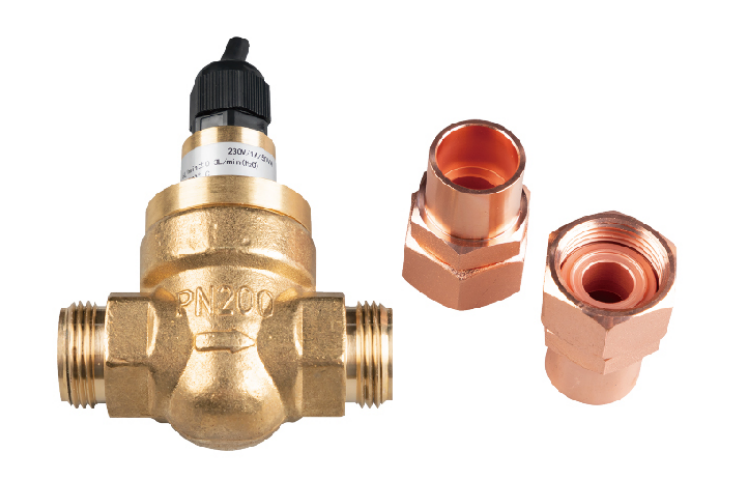
Catalysts are not simply placed at a single point in a refinery or petrochemical plant; their placement mirrors the stepwise transformation of crude oil into high-value products. In fluid catalytic cracking (FCC), for instance, the catalyst sits at the heart of the reactor, breaking heavy gas oils into gasoline and olefins under controlled heat and pressure. Further downstream, hydrotreating units use specialized catalysts to strip sulfur and nitrogen from intermediate streams, preparing them for blending or additional conversion. This staged integration means a shift in one unit's catalyst performance can ripple through the entire operation, altering product slate and energy balance.
Within petrochemical complexes, catalysts bridge the gap between refinery outputs and polymer building blocks. Steam crackers rely on thermal processes, but downstream units such as butadiene extraction, aromatics saturation, and olefin conversion lean heavily on catalytic steps. For example, selective hydrogenation catalysts treat pyrolysis gasoline to remove diolefins and acetylenics, ensuring the stream meets specifications for benzene, toluene, and xylene recovery. Without precise catalyst placement, these intermediate streams would cause fouling, off-spec products, or excessive hydrogen consumption.
The fit of a catalyst is also defined by its regeneration and lifecycle within a specific process loop. Continuous catalyst regeneration (CCR) reformers circulate catalyst between reaction and regeneration zones, allowing sustained operation at lower pressures. In contrast, fixed-bed units may run for years before a scheduled turnaround, where catalyst replacement and reactor cleaning occur together. Understanding where a catalyst fits means knowing not just its chemical role, but its operational rhythm, sensitivity to feed impurities, and how its deactivation pattern affects shutdown planning and catalyst handling logistics.
The Selection Details Most Buyers Overlook
You've checked the square footage, counted the bedrooms, and peeked at the roof from the curb. That's the easy part. The real issues often hide in the mechanical bones: ask for the age of the water heater, the last time the HVAC was serviced, and whether the electrical panel still has Federal Pacific or Zinsco breakers. Those brands have a history of failing to trip, and replacing them can quietly eat five figures from your reno budget.
Another overlooked detail is the grading around the foundation. Walk the perimeter after a decent rain, not during a sunny open house. Look for soil sloping toward the house, downspouts that dump water at the corner, or mulch piled against siding. A damp crawlspace or a hairline crack in the basement wall might be dismissed as cosmetic, but it's often a sign of poor drainage that has been doing damage for years. Fixing the slope is cheap; fixing a bowing foundation wall is not.
Finally, pay attention to the weird little inconsistencies: a fresh coat of paint on one wall only, a musty smell in one closet, a window that's painted shut. These aren't always deal-breakers, but they tell a story about how the previous owner maintained the place. Sellers stage for first impressions; inspection reports cover code, not character. The house you actually live in is the one you notice at 8pm on a Tuesday, not the one you tour at noon on a Saturday.
Why China-Based Production Changes the Supply Equation
China-based production reshapes the supply equation by collapsing the distance between design and manufacturing. Engineers can iterate alongside factory lines, compressing lead times in ways that spreadsheet models rarely capture.
The density of suppliers within a few hundred kilometers changes risk calculations. Instead of relying on a single overseas vendor, companies tap into an ecosystem where tooling, components, and finishing services are available within days, not weeks.
Cost advantages are no longer just about labor rates. The real leverage comes from scale, process maturity, and the ability to ramp up or down without massive capital outlays, making the supply equation more elastic.
Installation and Upkeep Mistakes That Shorten Service Life
Many equipment failures trace back to simple installation oversights that get dismissed as minor. Forcing a component into place when it doesn't seat cleanly, over-tightening fasteners beyond the specified torque, or skipping the alignment check because “it looks straight enough” all create hidden stress points. Every extra newton of uneven pressure or slight angular misalignment accelerates wear on bearings, bushings, and seals. The machine may run fine for weeks, but the damage is already compounding beneath the surface.
Upkeep errors are just as damaging, and they often come from good intentions applied without the manual. Greasing every fitting on a rigid schedule can be worse than under-lubricating if the wrong grease type is used—mixing incompatible thickeners turns lubricant into a gritty paste. Washing equipment with high-pressure water aimed directly at electrical connectors or breather vents forces moisture past seals that were never designed for that kind of assault. Even something as routine as replacing a filter becomes a lifespan shortcut when the housing isn't wiped clean first, letting dust fall straight into the clean side of the system.
The common thread is ignoring the difference between “working now” and “working correctly.” A machine can tolerate a surprising amount of sloppy installation and rough handling before it fails outright, which tricks operators into thinking they've gotten away with it. But service life isn't measured in days survived—it's measured in cycles lost. Each mistake quietly shaves off future operating hours, and by the time the symptoms become obvious, the root cause has been buried under months of normal wear.
What Long-Term Cost Data Reveals About Reliability
Most reliability discussions lean on initial defect rates, but long-term cost data tells a sharper story. After five to seven years, the gap between equipment that merely starts and equipment that stays cheap to run becomes unmistakable. Components wear unevenly, and some designs demand repeated, small interventions that never show up in a single inspection. Fleet records from utility and logistics operators often point to the same pattern: a handful of common failure points account for the majority of unbudgeted repair spend, while other systems quietly pass the decade mark with little attention.
What the data strips away is the illusion that all downtime is random. Machines built with fewer but better integrated subsystems tend to show flatter cost curves after the third year. The expensive lessons surface in component replacement intervals, labor hours per incident, and the frequency of emergency call-outs—none of which appear on a spec sheet. Over ten years, these operational costs often exceed the purchase price by three to four times. So reliability is less about surviving the first month and more about how gently the cost line climbs once warranties expire and service histories pile up.
FAQ
It monitors the movement of oil through a line and triggers an alarm or shuts down equipment if flow drops below a safe threshold. This prevents pumps from running dry, bearings from overheating, and gearboxes from seizing due to lack of lubrication.
Chinese manufacturers have invested heavily in automated production and testing, which brings consistency at a price point that's hard to beat. Many factories also offer flexible customization—thread sizes, setpoints, housing materials—without the long lead times you'd expect from custom work.
You'll find them in hydraulic power units, fuel oil delivery systems, compressor lubrication loops, and industrial burner feed lines. Anywhere a loss of oil flow can cause rapid damage, a flow switch acts as an early warning system rather than waiting for a temperature sensor to react.
Start by identifying the minimum flow rate your equipment can tolerate during normal operation. Then pick a switch whose trip point sits about 10–15% below that minimum, so normal fluctuations don't cause nuisance trips but a genuine blockage or pump failure triggers a shutdown.
Mounting orientation matters more than most people think. Paddle-type switches usually need to sit in a horizontal pipe with the paddle pointing downward, and there should be at least five pipe diameters of straight run upstream to avoid turbulence. Also, use a strainer if the oil carries debris—a stuck paddle gives false readings.
Yes, but only if you select a model designed for viscous media. Thermal dispersion switches, for example, are less affected by viscosity changes than mechanical paddle types because they measure heat removal rather than physical displacement. Always confirm the viscosity range with the manufacturer before ordering.
Solid-state versions have no moving parts, so they tolerate vibration, pressure spikes, and dirty oil far better. They also provide a continuous output signal rather than just a simple on/off contact, which lets you monitor flow trends and spot gradual wear in pumps before a hard failure occurs.
By catching low-flow conditions early, they prevent pumps from cavitating or running against closed valves, which wastes electricity and shortens equipment life. Some users also tie the switch signal to a variable frequency drive, so the pump only runs as fast as needed to maintain the required oil flow.
Conclusion
In crude pipelines and fuel transfer lines, oil flow switches operate on thermal dispersion or paddle-actuated principles to signal flow/no-flow conditions without obstructing the stream. The thermal type works well with viscous or waxy oils because it has no moving parts and compensates for temperature shifts, while paddle switches excel in low-flow alarms where a vane physically moves against the stream. Refineries use these devices at pump discharge lines, heat exchanger bypass circuits, and lube oil feeds to compressors; petrochemical plants rely on them for quench oil circulation and cracked gas monitoring. Yet many buyers overlook the importance of wetted material compatibility—stainless steel or Hastelloy is essential for sour crude or high-sulfur streams—and they forget to specify insertion length relative to pipe diameter. Others fail to ask whether the switch output is a simple relay or a 4-20 mA analog signal for trending; the wrong choice forces expensive rewiring later. Viscosity compensation and response time also matter more than the datasheet suggests, especially when oil temperature swings seasonally.
China-based production shifts the supply equation by offering factory-direct pricing without sacrificing access to explosion-proof certifications like ATEX or IECEx, since multiple domestic factories now hold global approvals. Shorter lead times—often half of what Western suppliers quote—let refiners keep spare inventory lean. However, installation errors still shorten service life: mounting the switch too close to a bend or valve creates turbulence that causes false trips, while ignoring the recommended straight-run upstream distance (typically 10 pipe diameters) leads to erratic actuation. Skipping periodic cleaning of the sensor tip in dirty oil lines is another common mistake, as deposits insulate the probe and dull response. Long-term cost data from maintenance logs shows that a properly specified and installed China-made flow switch lasts 8 to 12 years in continuous service, with failure rates below 2% per year; total cost of ownership runs 30–40% lower than premium Western brands, mainly due to cheaper replacement parts and local technical support. The reliability gap narrows further when buyers insist on third-party inspection and request full material traceability before shipment.
Contact Us
Contact Person: KOPASS HO
Email: [email protected]
Tel/WhatsApp: 8613606566112
Website: https://www.hongsenref.com/