

Chocolate Moulding Machine Company Essentials for Confectionery Production Growth
2026-11-16
In the competitive confectionery landscape, scaling production without compromising quality hinges on one critical decision: your chocolate moulding machine partner. From precision depositing to flexible mould design, the right equipment transforms bottlenecks into breakthroughs. Discover how GUSU delivers the engineering essentials that fuel sustainable growth for chocolate manufacturers worldwide.
Mould Changeover Speed Is a Quiet Profit Lever
Most factories treat mould changeover as a necessary pause between production runs, a gap where time simply disappears. Yet every minute spent swapping tools, adjusting clamps, or waiting for a crane is a minute not making parts. The lost margin rarely shows up on a standard cost sheet, so it stays invisible. But when you add up dozens of weekly changeovers across multiple machines, the quiet drain on capacity becomes impossible to ignore.
Reducing changeover time doesn't always require expensive automation. Often the biggest wins come from simple things: staging the next mould and tools before the current run ends, standardizing bolt sizes, preheating moulds on a separate station, or marking hose connections with color codes. One injection moulder cut a 90-minute swap down to 18 minutes just by having a dedicated cart with everything pre-positioned and training two operators on a choreographed sequence. That's an extra 72 minutes of machine time, repeated every week, with no new capital.
The real leverage is in how the saved time gets used. A machine that changes over faster can take on smaller, higher-margin jobs without losing overall utilization. It can respond to short-notice customer orders, reduce finished goods inventory, and avoid expensive overtime. In many moulding shops, the difference between a mediocre profit margin and a strong one isn't the hourly rate charged to customers—it's how many hours the machines actually run. Faster changeovers turn hidden downtime into billable production, and that quiet shift compounds straight through to the bottom line.
What Real Production Teams Learn During the First 500 Hours
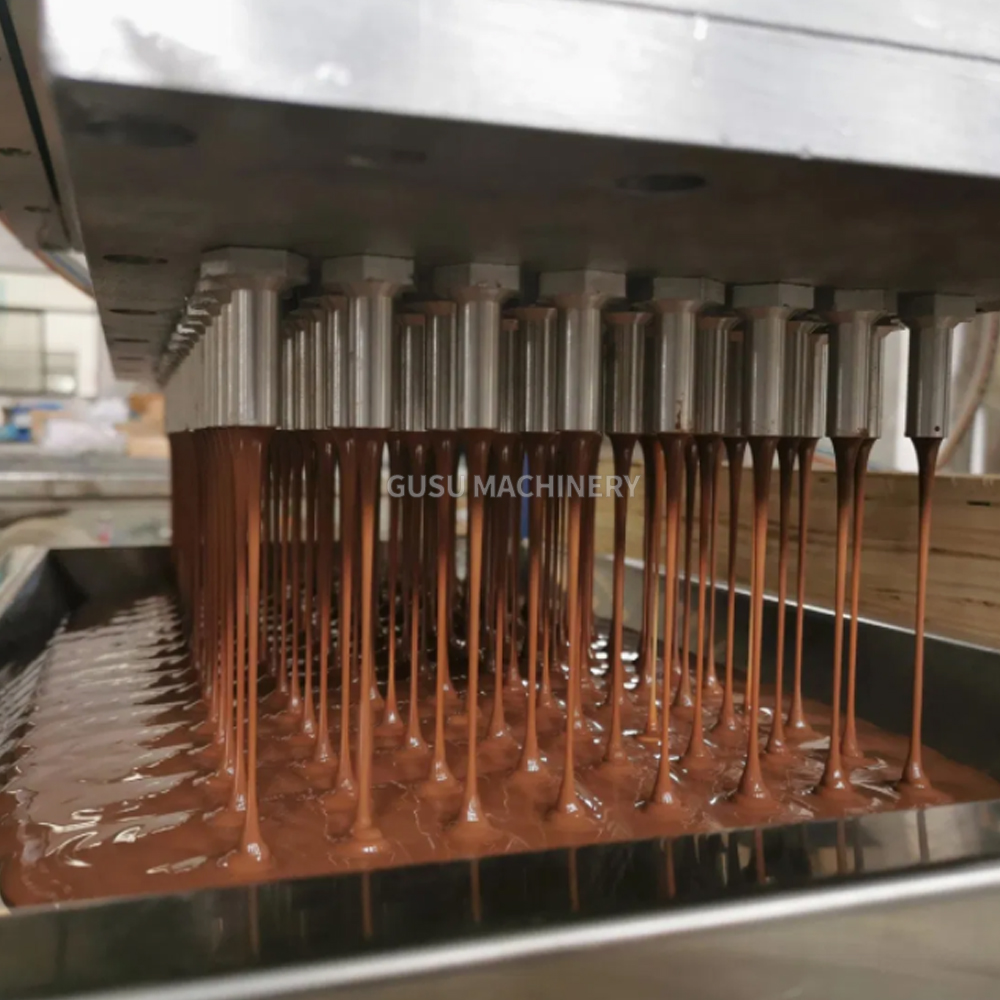
The first 500 hours strip away the polish of planning. Teams find that cycle times on paper rarely survive contact with actual material variation, shift handoffs, and the occasional skipped preventive check. What holds things up isn't the big machine center—it's the small fixture that drifts out of tolerance by hour 300.
Operators start flagging issues engineers never modeled, like a guard panel that vibrates loose or a sensor that misses thin parts after lunch when ambient light changes. Smart teams log these quietly, adjust torque specs, and add fifteen-minute buffer checks instead of rewriting the whole schedule.
By hour 500, the real lesson is that stability beats speed. Teams that chase short-term output burn through spare parts and goodwill. Those that treat every hiccup as a pattern to fix end up with fewer alarms, better yield, and a line that doesn't need heroics every Monday.
Thermal Consistency and the Art of Avoiding Seized Chocolate
Chocolate’s temperamental nature often gets blamed on the cook, but more often than not, the real culprit is a quiet drift in temperature that nobody notices until the bowl stiffens into a grainy paste. The moment your melted chocolate climbs above 120°F, the cocoa solids begin to separate from the fat, and once that happens, every subsequent stir works against you. A double boiler that cycles between hot and cool, a heat source left on low while you hunt for a spatula, or even a cold metal spoon dunked into a warm batch can push the mixture past its tolerance. In practice, this means setting up your workstation before the chocolate ever touches heat: a thermometer clipped to the bowl, a folded towel to rest it on, and a clear plan for the exact temperature checkpoints you intend to hit. Without that rhythm, you are not tempering—you are just watching a countdown to seizure.
What makes seized chocolate so frustrating is that it rarely announces itself with a dramatic event. It begins as a dulling of the sheen, then a thickening that feels almost like the chocolate is resisting the spoon. By the time you notice the texture turning coarse, the emulsion has already collapsed. Adding liquid at the wrong moment accelerates this, but so does condensation. A bowl left uncovered near a simmering pot, or chocolate stored in a humid pantry and melted without drying the equipment, introduces just enough water to bind the sugar and cocoa into a stiff mass. Thermal consistency is not only about the numbers on the thermometer; it is about keeping the environment around the chocolate stable. Dry bowls, a steady low heat, and a willingness to pause and let the residual warmth finish the job will save you from the rescue attempts that almost never work.
Recovering seized chocolate is possible in theory, but it demands patience that most rushed kitchens do not have. A small amount of warm fat—cocoa butter, vegetable oil, or even clarified butter—can sometimes coax the solids back into suspension, but the result will never match the snap and gloss of properly tempered chocolate. That is why the most reliable technique is preventive: melt only what you need, keep the temperature moving in one direction until you reach the working range, and avoid the temptation to reheat once the chocolate has begun to cool. Experienced chocolatiers often keep the batch moving with a gentle folding motion rather than aggressive whisking, which traps air and changes the cooling rate unevenly. If you catch the texture shifting early—before it turns sandy—remove the bowl from the heat immediately and stir in a few pieces of unmelted chocolate to bring the temperature down quickly. That small correction, done at the right moment, is the difference between a glossy coating and a bowl of regret.
Reading the Fine Print on Machine Flexibility Before You Commit
Sales brochures love to toss around words like modular and future-proof, but the real test of a machine's flexibility hides in the terms you skim past. Look closely at how the vendor handles software upgrades, whether adding a new axis or a different end effector actually requires a costly service visit, and if that open protocol they tout on the website comes with a stack of licensing fees. A machine that looks adaptable in a demo can become a rigid anchor once you realize the fine print locks you into proprietary consumables or a pay-per-feature model.
Another trap shows up in the form of silent incompatibilities. You might assume the controller will talk nicely to your existing ERP or that the tool changer accepts third-party grippers without voiding the warranty. But unless the contract spells out those integration rights in plain language, you could end up reverse-engineering workarounds or signing an expensive service agreement just to turn on a basic feature. Some vendors also reserve the right to alter cloud-based parameters remotely, so a machine that fits your workflow today could behave differently after a firmware update that quietly limits certain commands.
Before you sign, ask the vendor to demonstrate the exact flexibility you care about, not a canned script. Request written confirmation for any promise made during negotiations, and don't settle for verbal assurances that the machine can be reconfigured later. A few hours of digging through contract clauses and testing edge cases on the actual unit will tell you more than a hundred glossy PDFs. The fine print is where flexible intentions either become enforceable commitments or dissolve into marketing smoke.
When to Stop Retrofitting and Start Planning a Line Upgrade
Retrofitting has value only when the core structure and control system still have room to absorb changes without excessive workarounds. Once you start stacking bypasses onto old PLCs, lengthening cycle times to accommodate worn mechanical parts, or keeping a shelf of obsolete spares just to survive the next breakdown, the line is quietly telling you it has crossed from maintainable to fragile.
A more honest trigger is the cost conversation. Compare the annual maintenance and unexpected downtime losses against the depreciation and efficiency gains of a new or thoroughly modernized line. If retrofitting requires re-engineering the same bottleneck every two years, or if operators need constant manual intervention to hold tolerances, planning an upgrade stops being a capital expense debate and becomes an operational necessity.
Timing also matters for scaling. A retrofit that gets you another five percent output might delay the inevitable while the market moves faster. When the line cannot support new product variants, tighter changeover windows, or higher data visibility without a fundamental re-layout, that's the moment to shift from patchwork fixes to a structured line upgrade plan.
Service Response Windows That Keep Seasonal Peaks From Becoming Bottlenecks
A fixed four-hour reply target works fine in February and falls apart in November. The problem usually isn’t the window itself — it’s treating the window as a static promise when customer volume moves in sharp, predictable spikes. Seasonal peaks don’t create bottlenecks because teams are lazy; they create them because the same response-time metric gets applied to a Monday morning in March and a Friday after Thanksgiving. That single number hides two very different workloads.
The fix starts with splitting service levels by season, product line, or channel, then anchoring each one to actual capacity instead of an annual average. A holiday rush might justify a 24-hour first response for routine inquiries while keeping a two-hour lane open for order issues or VIP accounts. The important part is that the slower lane is communicated upfront, so customers aren’t left watching an inbox. That kind of honesty reduces repeat contacts more than an overpromised SLA ever will.
Finally, watch the edges of the window, not just the average. If most replies go out in the last ten minutes before a breach, the team is already running at redline. Moving a few low-complexity tasks to self-service or shifting one shift earlier during peak weeks often buys back more headroom than adding headcount. The goal isn’t to hit a response time on a dashboard; it’s to make sure seasonal demand stops being a surprise.
FAQ
A dependable supplier will focus on your output targets and product range during the initial consultation rather than pushing standard machines. They should offer modular designs so you can add depositing heads or extend the cooling tunnel as order volumes rise, without replacing the entire line. Also check for local technical support and transparent parts pricing, as these details become critical after years of operation.
Thick machine frames and food-grade stainless steel contact surfaces reduce vibration and thermal distortion, which means less variation in deposit weight per piece and lower reject rates. If mould trays use hard anodised aluminium, heat transfer is more uniform and demoulding is cleaner, so chocolate surfaces stay glossy without bloom even at higher speeds. Over time, maintenance intervals also lengthen, avoiding frequent stoppages from component wear.
A company that truly understands seasonal demand will keep key motors, sensors, and heating elements in stock instead of making you wait weeks for ocean freight. A good service team can resolve many issues through remote diagnostics first, saving unnecessary on-site call-out fees. They also offer preventive maintenance schedules during off-seasons, so the machine runs at full capacity during peak periods without a small fault halting the entire packaging line.
If your clients request shaped chocolates, filled products, or bars with intricate textures, standard moulds simply cannot meet the need. A supplier willing to adjust piston parameters or vibration settings based on your recipe's viscosity and cocoa butter content helps you develop products that competitors cannot quickly replicate. This customisation also lets you respond to seasonal limited editions and capture shelf space without being constrained by fixed mould designs.
Modern servo-driven depositing heads can achieve accuracy within 0.1 grams and switch recipes in seconds, allowing you to produce both large bars and micro filled chocolates without manual adjustment. Seamless communication between the PLC, upstream tempering unit, and downstream cooling tunnel ensures consistent temperature profiles throughout the process, preventing breakage or air pockets in complex patterns at high speed. Choosing a company familiar with various industrial protocols makes future integration with MES or ERP systems straightforward.
Experienced manufacturers incorporate variable frequency compressors and waste heat recovery systems in cooling tunnels, which can save over 20% on electricity bills at full load. They also advise on optimising mould spacing and demoulding angles to reduce compressed air consumption. This partnership goes beyond selling equipment; it involves reviewing energy data annually and adjusting insulation or heating strategies so that production cost per kilogram of chocolate keeps declining.
Low prices often mean thinner sheet metal and cheaper seals, leading to material leakage and mould misalignment within a year, causing more downtime than production time. Even worse, such companies may lack a stable supply chain, so if a critical part is discontinued, you may have to replace the entire machine. They also lack debugging experience for specific recipes like high-fat cocoa or cocoa butter substitutes, resulting in surface bloom or air bubbles on finished products, and lost customers far outweigh the initial equipment savings.
New food-grade non-stick coatings allow chocolate to release cleanly from moulds with shorter cooling times, meaning you can increase cycle speed without raising defect rates. Automated cleaning systems reduce manual disassembly and chemical detergent use, adding up to 40 extra minutes of effective production time per shift. Furthermore, quick mould-change designs let operators switch between different shapes in under ten minutes, a flexibility that directly boosts gross margin for small-batch, multi-variety artisan chocolate businesses.
Conclusion
Profit in chocolate moulding rarely comes from a single dramatic upgrade. More often, it hides in the minutes lost during mould changeovers and the temperature drift that ruins an entire batch. Teams that track their first 500 hours on a new line quickly discover that a machine which swaps moulds in ninety seconds instead of nine minutes changes how they schedule production. That extra time becomes extra batches during peak weeks, and it doesn't require hiring more staff. Thermal consistency matters just as much: chocolate that seizes in the cooling tunnel isn't just scrap, it's lost cocoa butter, lost labour, and a cleaning job that steals half a shift. A well-designed moulding machine holds temper within a tight band across every cavity, so the chocolate releases cleanly and the gloss stays consistent. Before committing to any supplier, smart buyers read the fine print on flexibility—not just the brochure speed, but how the line handles different mould shapes, cavity counts, and future product formats without a major rebuild.
The larger decision comes later, when patching an old line with add-ons stops making sense. Retrofitting can solve one bottleneck while creating two more, especially if the frame, cooling tunnel, or demoulding station were never built for higher throughput. At that point, planning a full line upgrade costs less than continuing to fight the same recurring faults. What separates strong suppliers from average ones is service response during seasonal peaks. A machine that runs beautifully in March means nothing if a gearbox fails in October and the service team takes four days to arrive. Confectionery production growth depends on keeping those peak windows open, and that means choosing a moulding machine company whose technicians understand the pressure of a Valentine's or holiday rush. Quick changeovers, stable heat, honest flexibility, and fast service are not separate features—they are the quiet essentials that determine whether a chocolate line grows with the brand or holds it back.
Contact Us
Contact Person: Zhang Wei
Email: [email protected]
Tel/WhatsApp: 8618662577837
Website: https://www.chocomachinery.com