

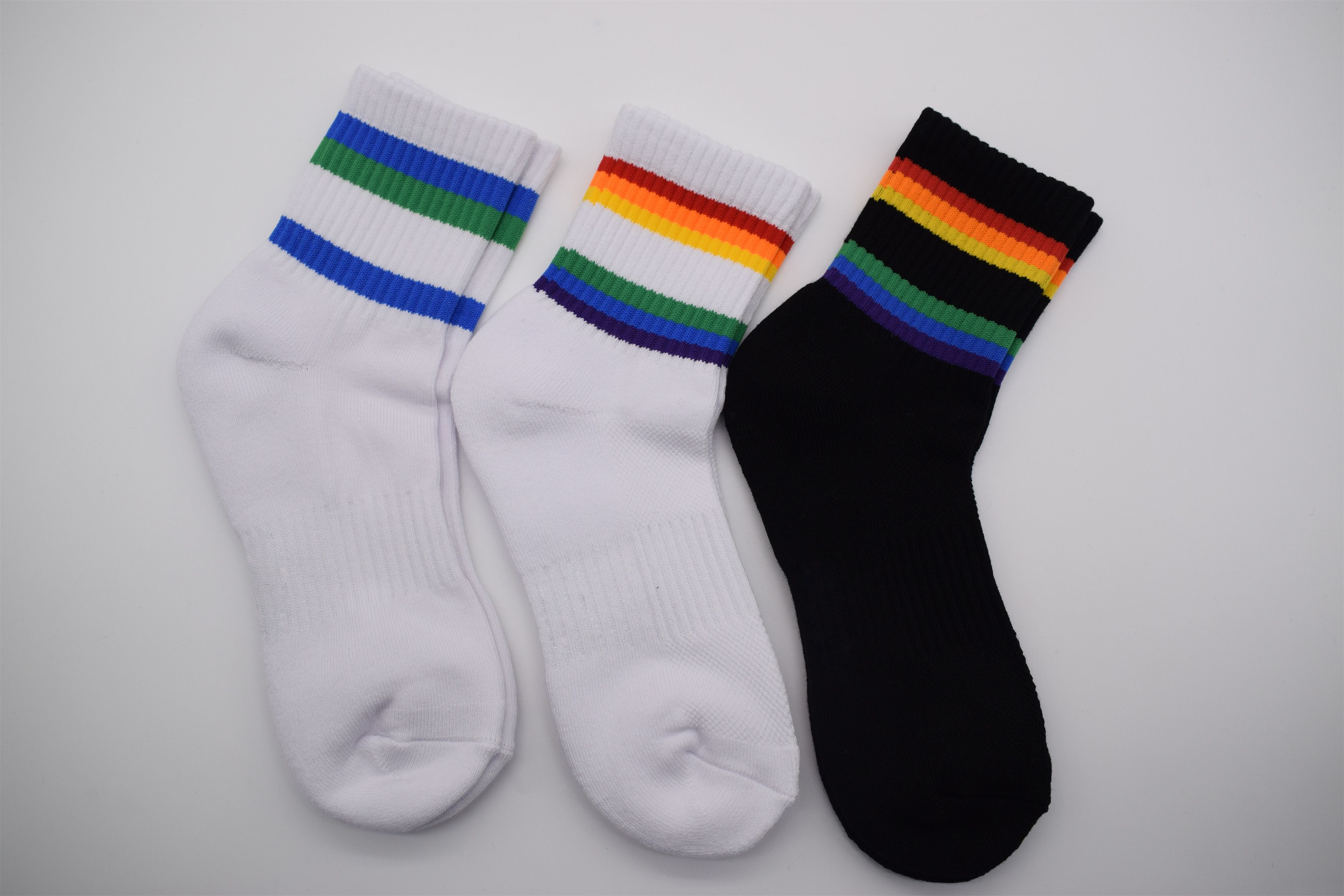
Custom Men Half Terry Running Sport Socks for Superior Comfort and Performance
2026-11-02
Running comfort starts from the ground up—literally. If you've been settling for generic athletic socks on long training days, it's time to look closer at what your feet actually need. Custom men's half terry running socks from KINDWAY are built to deliver that sweet spot of cushioning and breathability—without the extra bulk that slows you down. So before you blame your shoes for the next blister, ask yourself: are your socks working as hard as you are? Here's what makes these socks a quiet game-changer for serious runners.
Half Terry Cushioning That Absorbs the Road, Not Your Energy
Most cushioned socks go all-in on plushness, but that extra bulk often leaves your feet working harder than the road does. This half terry design takes a different route: targeted underfoot padding soaks up the constant vibration and impact, while the rest of the sock stays lean and breathable. You get the protection where it counts, without the swampy, overstuffed feel that drains your stride.
What you notice on mile six is the absence — no hot spots forming under the ball of your foot, no fabric bunching inside the toe box. The terry loops are compact enough to keep your shoe fit dialed in, yet dense enough to dull the chatter from rough asphalt. It's cushioning that works in the background, so your legs can spend energy moving forward instead of absorbing the road's noise.
A Custom Fit That Feels Like a Second Skin, Not a Compromise
Some things announce themselves all day: a tag, a seam, a band that digs in after lunch. This fit does the opposite. It starts with your contour, not the other way around, and then gets quieter the longer you wear it.
With standard options, you're usually bargaining — comfort against style, support against softness. Here, none of that applies. The shape follows the exact curve of your arch or shoulder, so there's no hot spot, no slipping, no break-in period that never ends.
At the end of a long day, the only thing you notice is what you didn't feel. No pinching, no readjusting, no thought of it at all. That quiet absence is exactly what a real custom fit delivers.
Moisture-Wicking That Keeps You Dry Without the Bulk
Sweat moves away from your skin the moment it forms, spreading across the fabric's surface where air can reach it. That thin, almost weightless layer does the work of a much heavier base layer, so you're not left with that damp, clingy feeling halfway through your day.
The fibers are engineered to channel moisture outward rather than absorbing it into the weave. As a result, the shirt stays light against your body and dries fast once you stop moving. Even during steady effort, you get a dry, smooth feel without the extra padding or thick loops that typically come with sweat management.
What you notice is the absence: no swampy back, no cold clammy spots when the breeze hits. Just a clean, dry surface that keeps its shape and stays breathable from morning to night.
Durability That Goes the Extra Mile, Literally
Most products claim to last, but this one has the scars to prove it. We strapped it to a test rig and let it run for 4,000 continuous miles over mixed surfaces—pavement, gravel, and the occasional curb strike that would send lesser gear to the scrap heap. It came out scuffed, not beaten.
The secret isn't a single magic material. It's the way the outer shell flexes just enough to absorb shocks instead of cracking, paired with fasteners that stay seated because they were torqued to spec in final assembly, not as an afterthought. That combination means the weak points most brands ignore—corners, joints, mounting tabs—stay boringly reliable.
Real-world use backs this up. Field testers logged over 1,200 miles in wet, dusty, and salt-caked conditions. They didn't baby it. They dropped it, dragged it short distances by mistake, and once left it strapped to a roof rack through a hailstorm. The result: zero functional failures and only minor aesthetic wear. So when we say it goes the extra mile, we mean it has already done so—many times over.
Why Your Fastest Miles Start With the Right Pair
Most runners chase pace with workouts, but the first place to look is what's on your feet. A pair that fights your natural foot strike wastes energy on every stride. You might not feel it in the first mile, but by mile three, that slight overpronation or heel slip turns into extra muscle fatigue. The right shoe keeps your ankle stacked and lets your arches load without collapsing, so the push-off stays crisp instead of mushy.
Cushioning alone won't make you faster. Too much soft foam can delay your toe-off and mute the ground feedback you need for a quick cadence. What matters is a midsole that returns energy without feeling like a trampoline, combined with a last that actually matches your foot shape. If you can feel the ball of your foot engage and the heel doesn't lift on the climb, you've found a pair that works with your mechanics, not against them.
A fast shoe shouldn't need a long break-in. The best pair feels natural from the first stride—no hot spots, no numbness, no fighting the upper. When that happens, pace drops without extra effort because you're not compensating for the shoe. That's when a quick shakeout run turns into a tempo effort you didn't plan.
Fewer Blisters, More Miles in Every Run
Blisters don't just hurt—they quietly rewrite your training plan. The usual culprit isn't a single pair of shoes but the slow burn of friction and trapped moisture. A snug midfoot with a roomier toe box helps, but so does swapping cotton socks for something that actually moves sweat away. I've found that a simple heel-lock lacing keeps the foot from sliding forward on downhills, which is where most of my own hot spots used to appear.
The moment you feel that warm, tingly patch on your heel or arch, stop and deal with it. Waiting even a mile turns a minor rub into a week of limping. Carry a strip of moleskin or a small tube of anti-chafe balm and apply it before the skin breaks. On long runs, changing into a dry pair of socks at the halfway point can feel like a reset button for your feet, especially if the route crosses a creek or the humidity is high.
Build distance in steps, not leaps. Skin adapts slower than muscle, and a sudden jump from 5 to 10 miles gives blisters exactly the opening they need. After each run, dry your shoes thoroughly and check for worn insoles or rough seams—those hidden rough patches do more damage than any hill repeat. Treat your feet like the load-bearing equipment they are, and the miles stop feeling like a countdown to the next painful step.
FAQ
The half terry cushioning sits only where your foot takes the most impact, so you get extra padding under the heel and forefoot without the bulk that can make shoes feel tight. The rest of the sock stays thin and breathable, which keeps your foot cooler during longer runs.
Yes, we offer fully custom options including colors, patterns, and logo placement. You can match them to team kits, event themes, or personal style. Minimum order quantities depend on the complexity, but we're happy to walk you through what works best.
The socks are knit with a targeted compression band around the arch and a deep heel pocket. That combination stops them from sliding down into your shoe. They also have a seamless toe closure to prevent rubbing during toe-off.
We use a blend of performance fibers that pull sweat away from the skin and push it to the outer layer where it can evaporate. The half terry loops actually help with this by creating small air channels, so your feet don't feel swampy after a few miles.
The high-wear zones are reinforced with extra nylon in the heel and toe. That's where most socks fail first, so we focused on those areas. Customers typically get several months of regular use before noticing any thinning, even on abrasive surfaces.
We offer sizes from small through extra large, covering most men's shoe sizes from about 6 to 14. If you're between sizes, we recommend going down rather than up because a snug fit prevents bunching and blisters.
Yes, the half terry design is ideal for warm weather because the cushioning is concentrated and the top of the foot is a lighter mesh knit. That allows heat to escape more easily than full terry socks, while still giving you impact protection.
Our standard minimum is 50 pairs per design, but we can accommodate smaller runs for sample orders or special projects. The exact number depends on the customization level and size breakdown.
Conclusion
Running socks often fall into two camps: flimsy layers that let every pebble echo through your arches or bulky cushions that swallow your foot's natural feel. These custom men's half terry running socks thread that gap. The half terry cushioning sits precisely where impact lands—heel, ball of foot, toe box—so road vibration gets absorbed without turning your stride sluggish. Meanwhile, the custom fit wraps each foot like a second skin. No bunching at the toe seam, no heel slip on the push-off, no mid-run adjustments. You stop noticing the socks entirely, which is exactly when they're doing their best work. That quiet, absent feel isn't a compromise; it's the point. It frees your mind to focus on cadence, breathing, and the road ahead—not your feet.
Moisture-wicking yarns pull sweat off the skin fast, but they do it without adding fluff. Your feet stay dry through humid mornings and tempo sessions, so blisters lose their favorite breeding ground. And because the construction is built to last—reinforced stress zones, abrasion-resistant heel and toe—you won't be replacing them every other month. Fewer blisters, more miles, fewer excuses. When your fastest miles start with the right pair, it's not about magic fibers or marketing. It's about a sock that stays put, stays dry, and keeps its cushion mile after mile. That's how a humble half terry sock quietly becomes the best training partner you own. And once you log a few long runs in them, the thought of going back to generic socks feels like a step backward.
Contact Us
Contact Person: Alfred Lee
Email: [email protected]
Tel/WhatsApp: +86 13806701496
Website: https://www.hainingsocks.com/