

Export Calcium Chloride 77% Pellets: Key Benefits and Logistics Insights
2026-11-22
Calcium chloride 77% pellets rarely make headlines, yet they keep global supply chains moving—de-icing runways, stabilizing unpaved haul roads, and speeding up concrete curing in cold weather. Export buyers, however, face a tougher question: how do you secure consistent quality without logistics surprises? Shouguang Golden Chemical has built its export approach around that exact pressure point. Below, we break down the practical benefits of 77% pellets and the shipping details that determine whether a cargo arrives on spec and on budget.
The Hidden Workhorse in De-Icing and Dust Control
When ice grips a road or dust starts rolling across a gravel lot, the equipment that gets noticed is usually the plow or the water truck. The quieter contributor is a liquid that has been used for years without much fanfare. It seeps into the bond between ice and pavement, weakens it, and gives plows less to fight against.
The same principle carries over to unpaved roads and industrial yards. Plain water evaporates quickly, but a properly mixed liquid can pull moisture into the surface and hold fine particles down long after the truck has left. That means fewer passes, lower material use, and less dust drifting into nearby homes and equipment.
None of this works on autopilot. The timing, concentration, and surface temperature all change how well it performs. When those details are respected, though, it becomes one of those rare tools that saves crews both time and money while staying almost invisible.
Pellet Geometry and the Case for Cleaner Unloading
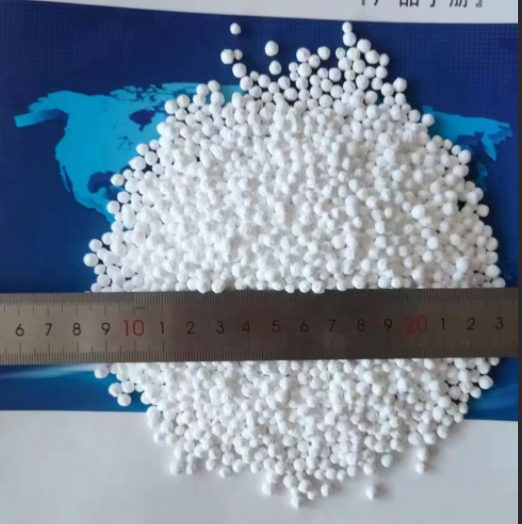
Pellet geometry is rarely the first thing operators blame when a silo refuses to empty cleanly, yet it shapes nearly every hang-up downstream. Spherical or near-spherical pellets tend to slide past one another with less interlocking, so discharge is more predictable and residual material is less likely to pack into dead corners. Irregular cuts, tails, or flattened edges create mechanical friction and tight void filling that can turn a routine drawdown into a drawn-out cleaning job.
The real nuisance often comes from a wide spread in pellet size, not just shape. Fines and broken edges slip into the gaps between larger pellets, compacting under their own weight and forming stubborn heel layers near the bin wall or discharge cone. A more uniform pellet profile reduces that self-sorting behavior, keeps the material moving as a mass, and shortens the line-out period when switching products.
None of this means geometry alone can guarantee spotless unloading. But paying attention to pellet dimensions, edge definition, and size distribution gives plant teams a practical lever before adding more aggressive flow aids or resorting to manual cleanout. In many cases, a modest adjustment in pelletizing conditions does more for housekeeping and downtime than a costly retrofit ever will.
Moisture Control Begins at the Production Line
On a busy production line, moisture issues rarely announce themselves at the final check. They begin in the mixer, the extruder, or the cooling tunnel. A change in ambient humidity can nudge a batch off target before anyone sees a number. Operators who pay attention to the way material flows, the sound of the equipment, and the feel of the mix often notice the drift before lab results come back. That early signal is more useful than a delayed test.
Fixing moisture at the source is cheaper and faster than correcting a finished product. Adding a small amount of water at the blending stage can stop cracking, dusting, or poor shelf life later on. Instead of waiting for a failed spec, teams set a narrow range at each handoff and adjust in small increments. The aim is not a perfect sensor reading but steady behavior from the first stage to the pack line.
Moisture targets on paper mean little if the operator at the blender cannot feel a shift in the batch. When the crew knows what a properly conditioned mix feels like, they catch drift before it becomes a defect. A fixed sampling point, a clear adjustment limit, and a short note in the shift log often beat a wall of dashboards. That habit moves moisture control out of the lab and into the hands of the line.
Export Purity That Holds Up in Transit
Purity at the point of origin means little if the load picks up moisture or foreign material along the way. That is why every export batch is sealed in a double-barrier liner, flushed with inert gas, and packed with desiccant pockets placed where condensation tends to collect.
Before dispatch, filled containers are checked for loose straps, worn corner boards, and any sign of liner movement. Vibration and temperature data from previous routes inform the way we stack and brace the load, so shifting during ocean or road transport does not create microscopic tears in the packaging.
On arrival, the material is still expected to match the original assay, color reading, and moisture limit. If it does not, we would rather hold the shipment than pass the problem downstream.
Packing for Sea Freight Without Overpaying
Sea freight pricing tends to reward people who treat the carton as part of the product. Forwarders often bill on whichever is greater between weight and volume, so air space inside a box is not free. Measure the item first, then pick the smallest carton that still gives you enough room to seal without crushing the contents. Even a few centimeters saved on each side can reduce the total chargeable volume by a surprising amount once pallets and container space come into play.
Overbuilding with timber and heavy foam can quietly push a shipment into a higher cost bracket. Double-wall corrugated with scored inserts does a lot of the same work at a fraction of the weight and volume. Reserve padding for contact points and areas that actually move; densely wrapping every part often just makes the carton larger. If you are shipping mixed items, place the heavy pieces at the bottom and fill open gaps with lightweight material to stop shifting without bulking up the outer dimensions.
Pallet overhang is one of the fastest ways to waste money on sea freight. It exposes edges to damage, reduces how much floor area you can use, and can lead to re-handling charges. Build pallets flush or slightly inside the footprint, interlock layers where possible, and use only enough stretch wrap to keep the load from working loose. Before you start stacking, confirm the forwarder’s max pallet height; shaving a few centimeters off the top may keep you out of an oversized-handling surcharge.
Docking, Documentation, and the Last Mile to the Buyer
Cargo does not simply arrive; it has to be slotted, checked, and cleared. At the dock, timing matters more than raw speed. A container that misses its unloading window can sit for days, while a properly pre-advised shipment moves from vessel to yard with only a short gate inspection. The difference often comes down to whether the arrival notice, packing list, and customs entry were reconciled before the vessel berthed. Small mismatches here tend to compound later, turning a routine handoff into a chain of phone calls.
Documentation is where most delays quietly live. A commercial invoice with an outdated incoterm, a certificate of origin that names the wrong entity, or a bill of lading marked clean when the goods were received with torn packaging can stop a release even when the physical cargo is ready. The useful work at this stage is not chasing paperwork but building a single set of instructions that the freight forwarder, customs broker, and warehouse all see in the same form. When the documents match the actual condition and terms on the ground, the buyer's clearance team stops being a bottleneck.
The last mile to the buyer is rarely just a delivery route. It includes unloading constraints, appointment slots at residential or commercial addresses, proof of condition at handoff, and sometimes installation or reverse logistics at the first sign of damage. The sellers who do this well treat the final leg as a continuation of the sale, not a courier afterthought. That means the driver's instructions, the buyer's contact window, and the return or claims path are decided before the truck leaves the dock, so the handover feels planned rather than managed at the last minute.
FAQ
This concentration gives buyers a strong product without pushing into the more hygroscopic behavior of 94% material. It still melts ice well and works for dust suppression, but it absorbs less atmospheric moisture during transit, which means fewer clumping complaints at the destination port.
Importers typically buy it for winter road maintenance, unpaved road dust control, oilfield drilling fluids, and concrete acceleration. Some also use it in tire weighting and dehumidifying applications because the pellet form dissolves at a predictable rate.
Pellets flow better through augers, hoppers, and spreaders than flake, and they create less dust during loading. That makes container stuffing quicker and reduces product loss at transfer points. The shape also helps the material settle evenly in bulk bags, which keeps pallet loads stable.
Most exporters rely on 25 kg bags with a polyethylene inner liner, or 500 kg to 1,000 kg FIBCs. The inner liner is the important part because it blocks humidity. For breakbulk or containerized shipments, palletized FIBCs with stretch wrap and desiccant strips tend to arrive in the best condition.
At a minimum, the file should include a commercial invoice, packing list, bill of lading, certificate of origin, and a safety data sheet. Many buyers also ask for a certificate of analysis showing the 77% assay and moisture content. A harmonized code under 2827.20 is commonly used, but the final classification should be confirmed with the destination country.
The main concern is exposure to rain or high humidity after the container is opened. If the bags are left outside, the pellets can absorb moisture and form a hard crust. Warehouses should keep the product off concrete floors and use first-in, first-out rotation to avoid long storage periods.
Keep the bags sealed until use, store the pallets in a dry area, and avoid stacking too high, which can crush lower bags and encourage compaction. If caking does occur, light mechanical breaking usually restores the material enough for spreading.
Conclusion
Calcium chloride 77% pellets rarely get much attention, yet they carry a disproportionate load in de-icing and dust suppression. The pellet form is not just a convenience; the uniform shape reduces bridging and clogging during discharge, which translates into fewer delays at ports and cleaner handling on site. Moisture uptake is managed from the production line rather than treated as an afterthought, with controlled drying and coating steps that keep the material free-flowing. That early focus on water content is what allows an export-grade product to arrive with its stated strength intact, even after weeks at sea.
On the logistics side, the real savings come from matching packaging to the route. Durable woven bulk bags with inner liners often avoid the expense of drums while still protecting the pellets from ambient humidity. Export loads need more than just proper packing: berth scheduling, accurate shipping documents, and clear coordination with the buyer's receiving team determine whether a shipment clears quickly or sits accruing demurrage. When those details are handled well, the product's advantage is not only chemical; it is operational from container loading to final delivery.
Contact Us
Contact Person: Tom Cui
Email: [email protected]
Tel/WhatsApp: +8618663670626
Website: https://www.jinjigoldenchem.com