

Flexo Printing Machine Factory Capabilities That Directly Impact Print Quality
2026-11-25
Most flexo printing machine factories list speeds and web widths, but the capabilities that actually determine print quality are rarely obvious from a brochure. From frame rigidity and impression setting repeatability to ink metering control and tension consistency, these behind-the-spec details separate mediocre output from repeatable, high-definition work. HuiPeng has built its manufacturing approach around exactly these factors. This post breaks down the factory-level strengths worth checking before you evaluate your next flexo press.
Where Cylinder Runout Gets Measured Before It Reaches Your Press
Most runout checks on press cylinders happen well before the cylinder ever sees a press frame. After final grinding or honing, the part usually moves to a small inspection bench near the machining cell. There it sits on a pair of precision centers or V-blocks while a dial indicator rides against the OD at three points: near the shoulder, mid-stroke, and close to the end face. That layout lets a machinist separate simple bearing misalignment from actual surface runout in seconds, without waiting for a full assembly test.
In shops that run tighter tolerances, the measurement may also happen in a dedicated gage room rather than on the floor. Temperature is more stable there, and the cylinder can be clocked systematically at 90-degree intervals to catch lobing that a single sweep might miss. Some teams record the numbers directly into an SPC sheet or a tablet at the bench, so the grinding operator gets feedback before the next part is loaded.
The point of measuring at this stage is simple: catching excess runout after the fact means pulling a press apart, replacing seals, or shimming a cylinder that should never have left the shop. Done early, the check takes a few minutes and keeps a small geometry problem from turning into an expensive field complaint.
The Frame Stress Relief Step Most Factories Skip
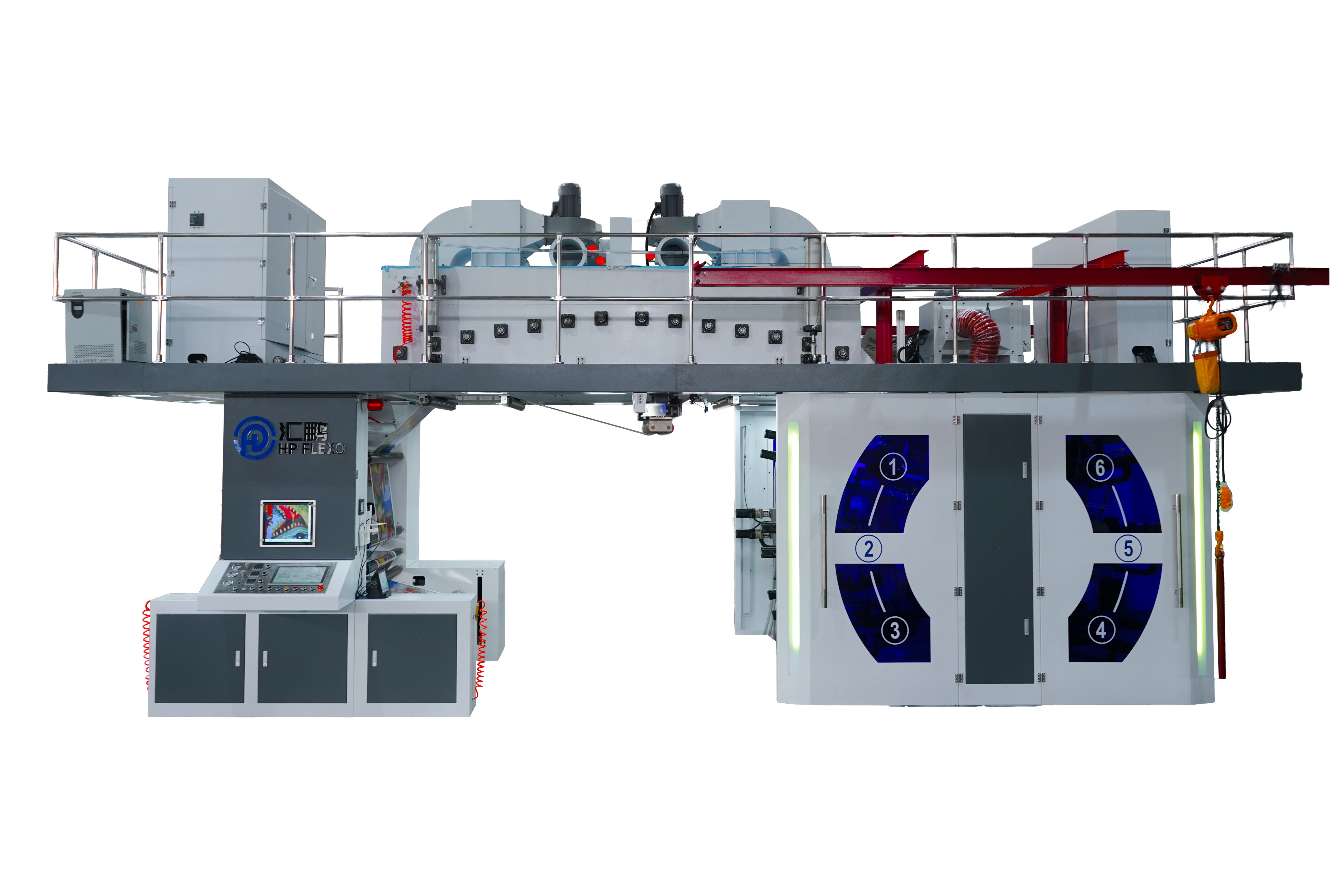
Most weld shops treat a frame as finished once the last bead cools. The stress relief step—whether it's vibratory conditioning, thermal stress relief, or simply letting the assembly rest in a fixture—gets dropped because it doesn't show up on the dimensional inspection report. But residual stress doesn't disappear; it waits until the frame is loaded, bolted, or shipped down a rough road.
The real cost shows up later. Holes shift after machining, corners pull after powder coating, and cracks start at joints that looked perfect on the welding table. One skipped step can turn a flat frame into a twisted warranty claim. A short cycle in a vibratory stress relief unit, or even an overnight rest before final machining, lets the locked-in stresses redistribute while the part is still easy to correct.
Shops that do this tend to build fixtures with a little deliberate clearance, support the frame at the same points used in service, and record before/after flatness on at least one part per batch. It's not expensive; it's just a habit that separates frames that stay straight from ones that move after delivery.
Why We Finish Anilox Sleeves Under Our Own Roof
Keeping anilox sleeve finishing in-house came out of a simple frustration: every time a sleeve left the building for engraving or coating, we gave up control over the details that matter most. Cell depth, edge sharpness, and surface tension are not abstract specs to us. They are physical outcomes tied to how the laser is tuned, how the bath is maintained, and how the final polish is handled. When those steps happen under our own roof, the person running the line is the same person who will hear about it if a press test comes back short.
There is also a quieter benefit that rarely shows up on a spec sheet. In-house finishing lets us walk a sleeve from prep to engraving to coating without waiting on a courier or someone else’s production schedule. If a converter needs a slightly different screen angle or a tighter cell volume, we can make that change in the afternoon instead of turning it into a week-long approval loop. That speed does not come from rushing. It comes from removing the gaps between steps.
Most importantly, finishing sleeves ourselves forces us to own the result completely. A sleeve that prints clean and transfers ink consistently is not an accident. It is the sum of small decisions made during polishing, engraving, and coating. When those decisions are made by one team in one facility, problems get traced faster, patterns get corrected sooner, and the next order starts from what we learned rather than from a vendor’s generic baseline.
Gear Backlash Tuning That Keeps Halftone Dots Round
Adjusting gear backlash isn't usually the first thing a press operator reaches for when dots start losing their shape, but it can be the difference between a clean rosette and a muddy smear. Backlash that's too tight creates a bind in the drive train, causing micro-stutters as the cylinder accelerates and decelerates through each print cycle. Those tiny pauses translate directly into dot gain that isn't uniform—dots stretch into slight ovals or teardrops, especially in the direction of paper travel. Setting the backlash to the manufacturer's minimum specification while the press is at operating temperature lets the gear teeth stay in consistent contact without loading up, which keeps the plate and blanket surfaces moving in sync. Once that mechanical slack is dialed in, the halftone dots tend to stay circular across the full sheet width, not just in the center where the gear train is stiffer.
A common mistake is tuning backlash on a cold press and then chasing dot shape problems later as the frame warms up. Metal expansion changes the effective center distance between gears, so a backlash setting that feels smooth at startup can become too tight or too loose after an hour of production. Running a few hundred sheets first and then rechecking the gear mesh under normal operating conditions gives a much more reliable baseline. With proper backlash, the cylinder velocity stays consistent through the image transfer, and the ink film splits cleanly without dragging the dot edge. That consistency is what keeps a 50 percent tint looking like a field of round, evenly spaced dots instead of a patchwork of directional smears and density shifts.
Regular gear backlash checks also catch wear patterns before they become visible in print. Gear teeth don't wear evenly—driven sides of the teeth take more load, and over time that creates a slight lash that varies depending on which direction the press is running or where the cylinder is in its rotation. When the backlash is adjusted to compensate for this wear, the contact pattern moves back toward the center of the tooth face, reducing the periodic velocity errors that distort halftone geometry. Keeping a simple log of backlash measurements from month to month helps identify whether the mesh is drifting, and correcting it early preserves the crisp, round dot structure that separations depend on for predictable color.
Dynamic Balancing Runs That Make Speed a Non-Issue
Most runners treat pace like a fixed number they must defend on every outing. The problem with that approach is it collapses the entire training week into a single, exhausted effort. Dynamic balancing runs flip the logic by asking you to shift effort moment to moment, letting pace float wherever the day takes it. Instead of locking onto a split, you stay alert to breathing, footstrike, and how your legs actually feel after the first ten minutes. That internal feedback becomes the real metric, not the watch.
A simple way to build these runs is to break the session into three invisible gears. The first gear is conversational and loose, the second firm but controlled, and the third a brief, floating surge that never reaches race effort. You move between gears based on terrain, wind, or simply the need to reset your posture. Because no single speed is sacred, the run stays playful and honest. Over time, this teaches your body to self-select effort rather than obey a pre-set number, which is exactly the skill that makes race-day speed feel ordinary instead of threatening.
What tends to surprise people is how much fitness arrives without the usual grind. By removing the pressure to hit a specific time, you stop sabotaging easy days with hidden intensity and stop turning hard days into desperate attempts to prove yourself. The balancing act becomes a quiet negotiation between force and ease. Speed stops being the main character; it simply shows up when the moment calls for it. And that shift in attention, more than any interval set, is what turns pace into a non-issue.
Doctor Blade Chamber Checks That Prevent Starvation Lines
A starved chamber doesn't announce itself with a bang. It shows up as faint, uneven streaks running along the print direction, often mistaken for a material batch issue or a worn nozzle. The real culprit is usually a doctor blade that has lost its edge or is no longer seating properly against the anilox roll. When the blade skips over microscopic low spots, it leaves a thin film of ink where there should be none, and that film becomes a starvation line once the substrate passes through the nip.
Routine checks should focus on three things: blade contact angle, wear pattern, and chamber pressure balance. A contact angle that drifts beyond the recommended range forces the blade to scrape instead of wipe, which accelerates edge rounding. Wear pattern tells another story—if one end of the blade shows a polished groove while the other still has its original grind, the chamber is likely misaligned or one side is overtightened. Pressure balance matters because an overly aggressive seal on the return side can starve the metering zone, creating exactly the kind of ink starvation that shows up later as a visible line.
A practical routine is to wipe the blade edge with a lint-free cloth and inspect it under a bright, raking light before every long run. Look for nicks, a dulled bevel, or any dried ink crust that lifts the blade off the roll. If the blade passes inspection, run a short test print with a high-coverage solid and watch the edges of the printed area. Starvation lines tend to appear first where the doctor blade chamber transitions from seal to blade, so paying attention to that zone during the first few metres can catch a developing problem before it becomes a full roll of waste.
FAQ
Tighter machining on drum and gear systems keeps plate-to-substrate pressure even across the web, so highlights and shadows hold their shape instead of gaining or breaking up.
Properly balanced anilox and impression rollers reduce micro-bounce at speed. That stops banding and uneven laydown in large solid areas, especially on films and coated boards.
Yes. A heavier, stress-relieved frame absorbs vibration from high-speed runs better than a lightweight welded structure, so registration drifts far less during long jobs.
If gears are ground in-house, tooth profile and backlash are controlled directly. That translates to cleaner screen tints and fewer gear marks running through halftone areas.
Running actual job files on the assembled press with customer stock reveals tension, drying, and dot gain problems that static inspection never shows.
Automated cell volume and wear measurement lets the factory match roll specs to ink volume precisely, so color density stays consistent from first impression to last.
By controlling heat in the drying tunnel and ink chambers, they prevent viscosity swings and film distortion, which keeps color stable and avoids stretching on extensible substrates.
Not directly visible, but a press shipped with properly trained operators reaches target densities faster and avoids the waste that comes from trial-and-error setup.
Conclusion
Precision gets locked in long before a flexo press is assembled. We indicate each cylinder at the journals and face to catch runout while it is still a bare component, because even a small eccentricity turns into visible density banding once the press reaches production speed. The welded frame goes through a stress relief cycle before final machining, not after a rushed fit-up; otherwise the side plates can move under tension and slowly destroy register. Those two steps alone remove a large share of the drift and repeatability problems that print shops usually blame on the ink or the plate.
Anilox sleeves are finished in-house so we can verify total indicated runout and cell volume before they ship, instead of finding out on press with weak or uneven laydown. Gear backlash is tuned station by station, because excessive clearance is what drags halftone dots into ovals and creates ghosting in screen work. Dynamic balancing at full rated speed catches residual wobble that would otherwise show up as barring across the web. Finally, each doctor blade chamber is checked for even contact and consistent return flow, so the blade cannot starve a section of the anilox and leave pale streaks through solid areas.
Contact Us
Contact Person: Isaias
Email: [email protected]
Tel/WhatsApp: 86-13868693129
Website: https://www.hpflexo.com/