

High Quality Trucker Hats: Why They're Worth Every Penny
2026-08-27
When it comes to headwear that blends rugged durability with effortless style, most trucker hats fall short after a few wears—faded panels, cracked mesh, or a brim that loses its shape. That's where the difference between a cheap knockoff and a high-quality trucker hat becomes impossible to ignore. At 4ugear, we've spent years obsessing over the details that turn a simple cap into a daily staple: breathable yet tough mesh, sweat-wicking bands, and stitching that survives everything from long hauls to weekend adventures. But why exactly are premium trucker hats worth the extra investment? And what separates a hat you'll replace next season from one you'll reach for every single day? In this post, we're breaking down the real reasons behind the price tag—and why your head (and your wallet) will thank you for choosing quality over quantity.
Built to Handle Sweat, Sun, and the Washing Machine
Most performance fabrics fall apart after a summer of hard use, but this one takes the abuse in stride. The fibers are engineered to wick moisture away during the sweatiest workouts without trapping odor, so you can go from a midday run straight into the rest of your day.
Sun exposure doesn't bleach the color or weaken the weave the way it does with cheaper materials. After dozens of wash cycles, the seams stay flat, the shape holds, and the fabric still feels soft against the skin.
You don't have to baby it with special detergents or air-drying rituals. Toss it in the washing machine with everything else, let it dry, and it's ready to go again.
A Brim That Keeps Its Shape After Months of Abuse
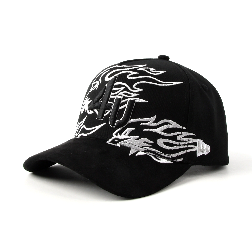
You can crush it into a backpack pocket, sit on it accidentally, or let it get rained on during a sudden downpour—the brim still snaps back to its original curve without any coaxing. The secret is a reinforced edge that resists bending fatigue far better than the floppy brims on most everyday hats.
After months of daily wear, including being tossed onto car dashboards and stuffed into luggage, the brim hasn't developed that sad, wavy droop that makes a hat look tired. It holds a clean line, which means you spend zero time reshaping it every morning.
That kind of resilience comes from a hidden internal layer that stays stiff without feeling heavy or rigid against your forehead. It's the difference between a hat you replace every season and one that actually earns its spot in your rotation.
No More Itchy Seams or Cheap Plastic Snaps
The inside of this fabric feels as smooth as the outside. We flat-lock stitched every seam so there's no raised ridge digging into soft skin, even after a full day of crawling or a car seat nap. You won't find any scratchy tags or rough edges hiding along the neckline either.
The snaps are made from a tough resin blend that won't crack if a toddler yanks on them. They fasten with a firm click and hold through diaper changes, wash cycles, and the occasional game of tug-of-war. You'll never have to toss a onesie because a flimsy snap popped off after two wears.
You'll Reach for It Over Your Favorite Cap Every Time
The moment you pull it on, the difference is immediate. No stiff brim to fuss with, no sweat-stained band from last summer—just a soft, structured crown that settles into place without needing a mirror check. That broken-in favorite cap has had its time, but this one molds to your head shape from the first wear and keeps its lines clean through rain, sweat, and long days in the sun.
It handles the little annoyances you've learned to tolerate. The low-profile fit slides into a jacket pocket without losing its shape. The fabric breathes when you're hustling across town, yet blocks enough wind when the temperature drops. And because it dries fast after an unexpected downpour, you won't be carrying a damp, heavy cap around all afternoon.
After a week, the rotation shifts on its own. You reach past the old standby without thinking—not because it's bad, but because this one simply does more. It pairs with a hoodie for early errands, looks right with a button-up at a low-key dinner, and never leaves that telltale red mark across your forehead. That favorite cap becomes the backup, and this one becomes the default.
The Math Works Out: One $40 Hat vs. Five $10 Hats
A single $40 hat often feels like an indulgence until you track how many times you actually wear it. If it sits comfortably, goes with most of your wardrobe, and survives a year of daily use, the cost per wear drops below twelve cents. Five $10 hats might seem like the smarter bargain, but they rarely hold their shape after a few washes, and the stitching tends to unravel faster than you'd expect.
There's also the clutter factor. Five cheap hats take up the same drawer space as five good ones, yet only a couple end up in regular rotation. The rest become backups you never reach for because the fit isn't quite right or the color faded after one sunny afternoon. With one well-made $40 hat, you remove the guesswork every morning and avoid the slow drip of replacing budget options again and again.
None of this means cheap hats have no place. If you lose headwear often or need something for messy outdoor work, the $10 versions make sense. But when you compare true cost over two or three years, the math usually favors paying more once than paying less five times.
Looks Sharp Enough for a Night Out, Tough Enough for Work
The fabric feels like a second skin but holds up to scrapes that would ruin lesser shirts. No flashy logos, no extra stitching that screams for attention—just clean lines that let the cut do the talking. You can throw it on after five, grab a drink, and still look like the most put-together person in the room.
Come morning, the same piece shrugs off warehouse dust and coffee spills without a wrinkle to show for it. The seams are double-stitched where it counts, the buttons stay put through a full day of reaching and lifting. It’s built for people who don’t get to change between worlds—they just move through them.
That balance doesn’t happen by accident. The fabric blend breathes during a hot commute yet keeps its shape after a long shift. It’s the kind of shirt that earns a permanent spot in the rotation, not because it shouts, but because it quietly delivers every single time.
FAQ
It usually comes down to the foam and mesh. High-end versions use denser foam that holds its shape instead of collapsing after a few wears, and the mesh is often a tighter weave that won't snag or stretch out. The stitching is also reinforced around the brim and sweatband, so you're not dealing with frayed edges after a month.
The difference is noticeable. Better hats tend to have a softer, moisture-wicking sweatband and a more forgiving fit that doesn't pinch behind your ears. The brim is also curved or shaped more carefully, so it sits naturally instead of feeling like a stiff piece of plastic strapped to your forehead.
A solid one should easily handle a few years of regular wear. The key weak points on cheap hats—the snap closure and the seam where the mesh meets the foam—hold up much better on higher-quality versions. You might see some fading if you wear it in the sun daily, but the structure won't break down.
If you wear trucker hats often, yes. The cheaper ones often lose their shape, the brim warps, and the snap cracks within a season. A pricier hat spreads that cost over years of use, and it looks better the whole time. You're paying for materials and construction, not just the label.
Check if the brim is made from a durable, slightly flexible material that bounces back when you bend it slightly. Cheaper brims are often brittle and can crease permanently. The stitching around the edge of the brim should be tight and even—loose threads there are a bad sign. Also, a good brim won't lose its curve after being packed in a bag.
Absolutely. That's the whole point of a well-designed one. The front foam panels give it structure, while the mesh back lets heat escape. High-quality versions balance the two by using a sturdier front panel and a mesh that's open enough for airflow but not so flimsy that it sags. You get the best of both without looking sloppy.
They tend to handle washing much better. Cheap dyes bleed and fade quickly, and the foam can warp if it gets wet. Higher-end hats usually use colorfast fabrics and pre-shrunk materials, so a gentle hand wash and air dry won't ruin the shape or color. Just avoid throwing any trucker hat in the dryer.
Look for hats made with cotton or cotton-blend front panels, polyester mesh with a tight weave, and a brim made from a material like buckram that holds its shape. Brands that specialize in workwear or outdoor gear tend to overbuild their hats, which is a good thing. You don't need a famous logo—just check the materials and stitching.
Conclusion
A lot of budget caps fall apart after a few months in the sun, but a high-quality trucker hat earns its price through the details you actually feel. The sweatband stays comfortable through long days, the stitching doesn't itch, and the snap closure is made from metal or heavy-duty plastic that won't crack under pressure. Even after repeated trips through the washing machine, the crown holds its color and the brim keeps its shape instead of warping into a sad, floppy mess. That's the kind of durability you notice every time you put it on.
The real test is how often you reach for it. Once you have a trucker hat that fits well and looks sharp enough for a casual night out but tough enough for a workday, it tends to beat your old favorites. And the math supports the upgrade: one $40 hat that lasts two or three years beats replacing a $10 hat every few months. You end up saving money while wearing something that consistently looks and feels better. It's not just an accessory—it's the hat you stop thinking about because it simply does its job.
Contact Us
Contact Person: Tommy
Email: [email protected]
Tel/WhatsApp: 8613546956008
Website: https://www.4ugearsupply.com/