

How Oil-Injected Air Compressors Achieve 24/7 Continuous Operation
2026-07-29
Running an oil-injected air compressor around the clock sounds like a recipe for breakdowns—until you see how Seize Air has redefined reliability. In this post, we strip away the myths and explore the engineering secrets that let these machines hum nonstop, from advanced cooling tactics to precision lubrication. Whether you’re battling downtime or scaling production, here’s how true 24/7 operation becomes not just possible, but a competitive edge.
Thermal Stability Without the Shutdowns
Maintaining consistent thermal stability in industrial operations often means walking a tightrope between performance and forced downtime. Traditional systems can struggle under fluctuating loads, pushing components past their thermal limits and triggering automatic shutdowns that ripple through production schedules. The real challenge isn't just managing heat—it's doing so while keeping the line moving, avoiding the costly pauses that eat into margins and delay deliveries.
A more adaptive approach leverages real-time thermal monitoring and predictive load balancing to stay ahead of hot spots before they become problems. By distributing thermal stress more evenly and adjusting cooling efforts on the fly, facilities can run longer at high output without tripping safety cutoffs. This isn't about pushing equipment harder; it's about working smarter with the data that's already flowing through your sensors. The result is a rhythm where stability becomes the baseline, not an occasional achievement.
What sets this apart is how it integrates with existing setups without demanding a full overhaul. Minor adjustments in control logic and heat dissipation pathways can dramatically extend continuous operation windows. Teams that once braced for mid-shift shutdowns now see steady thermal curves hour after hour—and that reliability changes how they plan, bid, and deliver. It turns thermal stability from a reactive headache into a competitive edge that quietly pays for itself.
Oil Separation That Keeps Pace With Demand
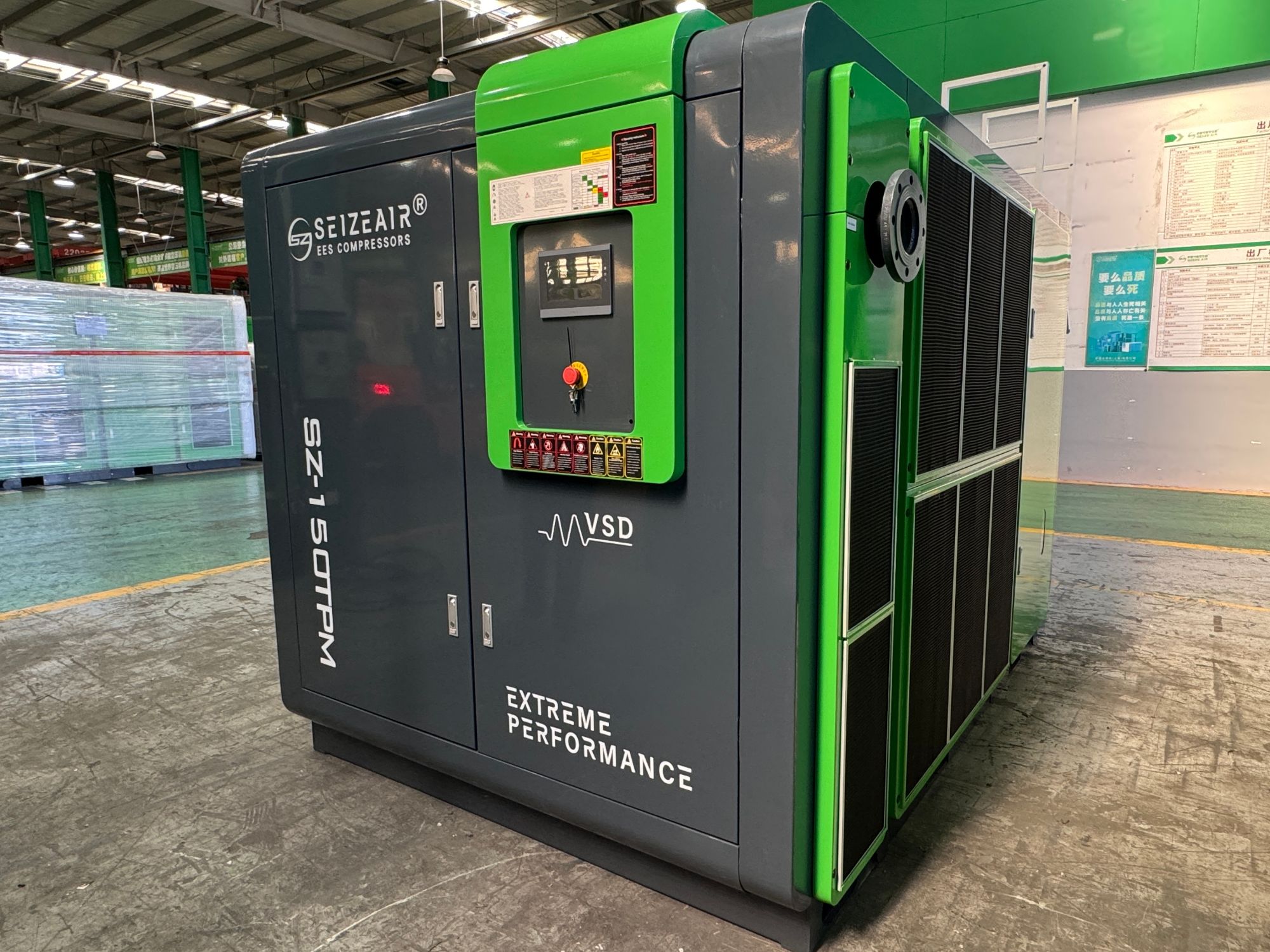
Modern production lines can’t afford bottlenecks—especially not from something as fundamental as oil separation. Our systems are engineered to handle surges in throughput without compromising on purity. Whether you’re scaling up for a seasonal peak or expanding permanent capacity, the process adapts in real time, automatically adjusting flow rates and separation parameters to maintain consistent output.
Under the hood, intelligent sensors monitor viscosity, temperature, and contaminant load hundreds of times per second. This data feeds into adaptive algorithms that fine-tune centrifugal force and coalescer bed saturation, ensuring that every drop of oil meets specification even when feedstock quality varies. Operators get clear, actionable alerts before any deviation occurs, turning reactive troubleshooting into proactive tuning.
The result is a separator that grows with your ambition. One facility added a second shift and saw no drop in purity—just a smooth, linear increase in clean oil volume. Because the system learns from every cycle, it gets smarter the more you use it, making capacity expansions a matter of simply running longer rather than investing in new hardware.
Why Rotary Screw Elements Outlast the Clock
Rotary screw elements defy the typical wear-and-tear timeline because their intermeshing design distributes load evenly across multiple contact points. Instead of localized stress that accelerates fatigue, the continuous rolling motion minimizes friction and heat buildup. This inherent mechanical balance means less strain on any single component, allowing the system to operate smoothly far beyond the lifecycle of conventional clockwork mechanisms.
The secret lies in the precision engineering of the helical profiles. As the screws rotate, a thin, hydrodynamic film forms between the flanks, effectively eliminating metal-to-metal contact under normal operating conditions. This self-generated lubrication layer acts as a shield against abrasive particles and moisture, two primary culprits of degradation in timed mechanisms. Even in harsh environments, the elements maintain their integrity without the need for frequent recalibration or replacement.
Unlike geared systems that rely on brittle escapements, rotary screw assemblies thrive on sustained motion. The geometry naturally compensates for minute misalignments, preventing the kind of catastrophic tooth failure common in traditional clockwork. Industrial applications routinely see these elements running for decades with virtually no performance loss, testament to a design that turns the concept of a mechanical lifespan on its head.
Smart Air-Oil Circulation You Never Hear About
Air and oil move through a network of hidden paths, silently keeping engines and machinery alive. Most people never notice the intricate dance as oil coats moving surfaces while air whisks away excess heat. It’s not flashy, but it’s the reason systems stay cool and friction-free under relentless stress.
What makes this circulation truly clever is how it adapts without anyone giving it a second thought. Tiny valves shift in response to pressure changes, channels widen or narrow based on temperature, and flow rates adjust milliseconds at a time. No computers, no loud alerts—just pure mechanical intuition honed over decades of refinement.
Engineers obsess over every groove and passageway, shaping cavities that guide fluids into the most unreachable corners. The result is a system so efficient it goes unnoticed, quietly protecting the engine from its own brutality. You won’t see it in a spec sheet, but you’ll feel its absence the moment it fails.
The Cooling Tactics That Sidestep Overheating
Most cooling solutions treat the symptom, not the cause. They ramp up fans after the heat has already built up, turning your device into a noisy wind tunnel. A smarter approach reshapes how components generate warmth in the first place. By staggering heavy workloads across multiple cores and intelligently throttling background processes, modern systems keep peak temperatures surprisingly low without ever needing to blast the fans. It’s a quiet, invisible orchestration that happens long before you ever notice the strain.
Then there’s the shift in physical design that rarely gets the credit it deserves. Instead of relying on a single copper slug and a wad of thermal paste, manufacturers now weave graphite sheets and vapor chambers into the very skeleton of a device. These materials move heat laterally, spreading it across a much larger surface area where passive radiation can do its work. The result is a cooling system that feels almost architectural—heat doesn’t pool and panic, it glides away, diffusing harmlessly into the chassis.
Software plays a subtler hand, too. Intelligent scheduling can predict which apps will spike the thermals and proactively pull back on non-essential threads. Some firmware even tracks your usage patterns over days, learning when to pre-cool certain regions by spinning up low-speed fans while the device is still idle. It’s the kind of gentle, foresighted management that makes overheating feel like a distant memory, and best of all, you’ll never hear it working.
Maintenance Rhythms That Mimic Continuous Duty
The idea behind maintenance rhythms that mimic continuous duty is to keep equipment in a state of readiness without actually running it nonstop. This approach uses carefully planned cycles of operation and rest, combined with proactive upkeep, to create a seamless illusion of constant performance. The key is to optimize each maintenance interval so that no single component experiences excessive wear, while still meeting operational demands. By doing so, systems maintain peak condition and are always prepared for the next task, much like an orchestra that practices just enough to stay perfectly in tune without overplaying.
FAQ
They rely on a closed-loop oil system that continuously cools, lubricates, and seals internal components. This prevents overheating and wear even during extended runs, as long as the oil quality and levels are kept in check.
Not if the cooling system is properly sized. Most continuous-duty models use oversized coolers and thermostatic valves to maintain safe temperatures. Regular cleaning of heat exchangers is still necessary in dusty environments.
It depends on hours of operation, not calendar days. Typical intervals range from 500 to 2,000 hours for oil changes and filter replacements. Monitoring vibration and temperature trends helps catch issues before they cause downtime.
They’re designed for it, but running above 80–90% of maximum capacity for weeks on end can shorten component life. Slight oversizing or adding a buffer tank reduces stress on the system.
Most modern compressors have low-oil shutdown switches. Without that, the unit would quickly overheat and seize. Checking oil daily and using remote monitoring is a smart move for unmanned sites.
It can if condensate isn’t drained properly. Air receivers and dryers need to be sized for constant flow. Inline filtration and automatic drains keep the output clean, but they must be maintained as diligently as the compressor itself.
Often it’s due to overlooked basics: dirty coolers, ignored air leaks, or using the wrong oil. Ambient conditions like high humidity or temperature swings also play a big role. Following manufacturer guidelines strictly makes a huge difference.
Conclusion
Achieving true 24/7 operation in oil-injected air compressors is less about brute force and more about a delicate balance of thermal, mechanical, and fluid dynamics. The compressor must handle heat continuously without triggering thermal shutdowns, and this starts with an oil that serves dual purposes: lubrication and cooling. The oil absorbs heat directly at the compression site, then circulates through coolers engineered to reject that heat efficiently, keeping internal temperatures stable even under relentless loads. Meanwhile, the rotary screw elements themselves are designed with minimal clearances and robust bearings that thrive under constant lubrication, effectively outlasting the clock. But heat isn't the only hurdle; the very oil that cools must also separate from the compressed air quickly enough to meet demand. Advanced air-oil separation systems use multi-stage coalescing filters to keep oil carryover minimal, ensuring a steady supply of clean air without the need to pause for reservoir drainage or filter changes during operation.
Behind the scenes, smart air-oil circulation systems monitor and adjust lubricant flow rates in real time, preventing the energy waste and wear that come from over- or under-lubrication. These systems often rely on variable-speed drives and intelligent controls that modulate compressor output to match demand, eliminating constant start-stop cycles that fatigue components. Cooling tactics go beyond standard radiators; some designs incorporate thermostatic valves and auxiliary cooling circuits that sidestep overheating even in high ambient conditions. To sustain this around-the-clock rhythm, maintenance schedules are intentionally aligned with continuous duty, using predictive analytics and longer-life consumables so that service intervals stretch without compromising reliability. Together, these elements form a self-regulating ecosystem where the compressor runs, cools, and protects itself indefinitely, transforming what used to be a maintenance-heavy workhorse into a seamless, always-on utility.
Contact Us
Contact Person: Mia
Email: [email protected]
Tel/WhatsApp: +86 19821985894
Website: https://www.seize-air.com