

Innovative Battery Foil Rolling Mills: Advancing China's Energy Storage Technology
2026-03-20
In an era where energy storage is pivotal for a sustainable future, China's technological advancements in battery production are capturing global attention. At the heart of this innovation lies the development of cutting-edge battery foil rolling mills, which play a crucial role in enhancing efficiency and performance. This blog post delves into how these innovative mills are reshaping the energy storage landscape, offering insights into their impact on technology and industry. Discover the key breakthroughs driving this progress and learn how GRM is leading the charge with its state-of-the-art solutions, setting new standards in precision and reliability. Join us as we explore the exciting developments that are putting China at the forefront of energy storage technology.
Evolution of Battery Foil Rolling Mills in China's Energy Sector
In the early stages of China's energy sector development, battery foil production relied heavily on outdated rolling mills imported from abroad. These machines often struggled with precision and efficiency, creating bottlenecks as demand for lithium-ion batteries surged. Domestic manufacturers initially focused on reverse engineering basic models, but the resulting foils frequently fell short of the strict thickness and uniformity requirements needed for high-performance batteries. This period was marked by a reliance on foreign expertise, with several joint ventures established to transfer rudimentary rolling technology to Chinese factories. However, these collaborations often came with limitations, leaving local engineers to piece together knowledge from scattered sources.
By the 2010s, a significant shift occurred as Chinese companies began investing heavily in research and development, pushing beyond simple imitation. Innovations in mill design emerged, such as the integration of advanced tension control systems and real-time monitoring sensors that dramatically improved foil consistency. For instance, some manufacturers developed proprietary cooling mechanisms that reduced thermal stress during rolling, enabling the production of ultra-thin foils below 10 micrometers without compromising structural integrity. This era saw the rise of specialized mills tailored for specific battery chemistries, like those optimized for the delicate foils used in next-generation solid-state batteries. Government initiatives, such as subsidies under the Made in China 2025 plan, accelerated this evolution by funding pilot projects that tested new alloy formulations alongside enhanced rolling techniques.
Today, China's battery foil rolling mills have evolved into world-class systems that blend automation with custom engineering. Domestic firms now export these mills globally, competing directly with established European and Japanese suppliers. The latest models incorporate AI-driven predictive maintenance and adaptive rolling algorithms that adjust parameters on the fly based on material feedback, slashing waste and boosting yield rates. This transformation has been pivotal in supporting China's dominance in the electric vehicle market, as local battery makers can source high-quality foils reliably and affordably. Looking ahead, ongoing collaborations between mill manufacturers and research institutes aim to develop even more sustainable processes, such as using recycled aluminum inputs without sacrificing performance, ensuring the technology remains at the forefront of the energy transition.
Key Technological Breakthroughs in Modern Rolling Mill Design
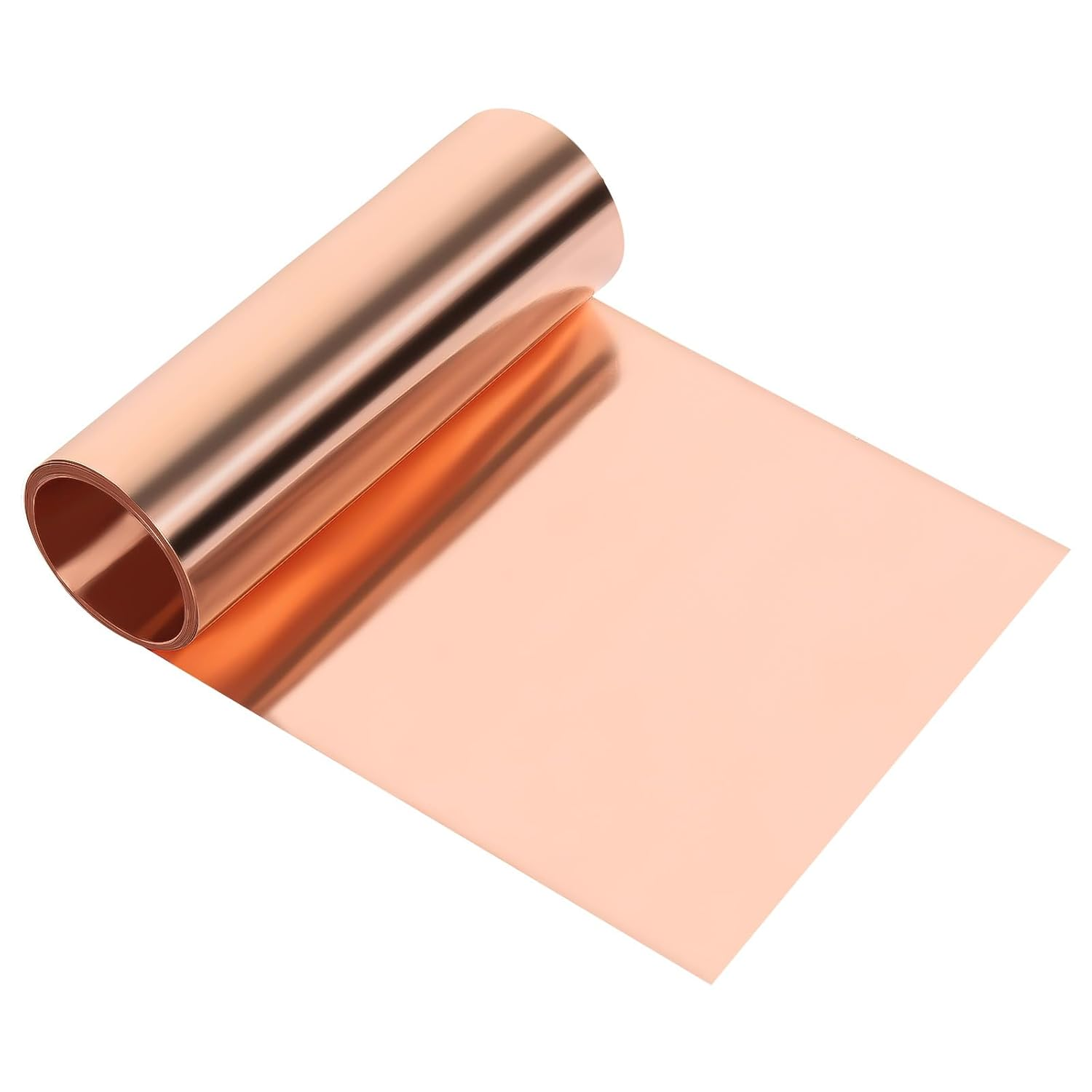
Rolling mill design has seen radical transformations in recent years, driven by breakthroughs in precision control and materials processing. Innovations like advanced hydraulic gap control (AGC) systems now enable micro-adjustments during high-speed operations, ensuring consistent strip thickness even under fluctuating loads. This isn't just about incremental improvements; it's a leap toward ultra-thin, high-strength materials that meet demanding automotive and aerospace standards.
Another game-changer is the integration of real-time data analytics and IoT sensors across rolling lines. Mills equipped with these technologies can predict wear on rolls, optimize lubrication cycles, and minimize downtime by flagging potential failures before they escalate. This shift from reactive to proactive maintenance not only slashes operational costs but also boosts productivity by keeping equipment running at peak efficiency.
Looking beyond conventional methods, the adoption of electromagnetic stirring and hybrid casting-rolling techniques has opened new frontiers in microstructural refinement. These approaches allow for finer grain sizes and reduced segregation in alloys, resulting in products with superior mechanical properties and resistance to corrosion. Such advancements are redefining what's possible in metal forming, pushing the boundaries of both formability and performance.
Enhancing Energy Storage Efficiency Through Precision Manufacturing
Precision manufacturing is transforming how we approach energy storage by enabling more efficient and reliable systems. By leveraging advanced techniques like ultra-precise machining and automated assembly, manufacturers can produce batteries and capacitors with minimal waste and tighter tolerances. This reduces internal resistance and heat generation, directly boosting performance and extending lifespan, all while cutting down on material costs.
Beyond just improving individual components, precision methods facilitate smarter integration across entire storage networks. For instance, custom-designed electrode structures made through additive manufacturing allow for optimal ion flow, enhancing charge-discharge cycles without compromising safety. Such innovations are making energy storage not only more effective but also adaptable to diverse applications, from electric vehicles to grid-scale solutions.
As technology progresses, we're seeing a shift towards data-driven manufacturing that predicts and addresses inefficiencies in real-time. This holistic approach ensures that every stage, from raw material processing to final assembly, contributes to maximizing energy density and minimizing environmental impact, paving the way for more sustainable energy solutions globally.
Environmental and Economic Impacts of Advanced Rolling Technologies
Advanced rolling technologies are revolutionizing the metalworking industry by significantly reducing energy consumption and waste. Innovations such as hot and cold rolling with precision controls allow manufacturers to produce thinner, stronger materials with less raw material input, directly cutting down greenhouse gas emissions. This not only helps industries meet stricter environmental regulations but also lessens their carbon footprint, making processes more sustainable in the long run.
Economically, these technologies boost efficiency and lower operational costs through automation and data-driven systems. By minimizing defects and enhancing production speeds, companies can achieve higher output with reduced labor and maintenance expenses, leading to improved profit margins and competitiveness in global markets. This economic advantage encourages investment in further research, driving continuous innovation across sectors.
However, the shift to advanced rolling isn't without challenges. Initial capital investments for new machinery can be high, and there's a learning curve for workers adapting to sophisticated systems. Balancing these upfront costs with long-term environmental and economic gains requires strategic planning, but the trend toward smarter manufacturing suggests a promising future for both industry growth and ecological stewardship.
Global Competitiveness and Market Adoption Trends
Global competitiveness today hinges on a dynamic interplay between technological innovation and strategic market positioning, driving firms to adapt swiftly to shifting consumer preferences and regulatory landscapes. Companies that excel often leverage agile supply chains and digital transformation to scale operations across borders, while fostering strong brand loyalty through personalized customer experiences. This relentless pursuit of efficiency and adaptability not only propels market leaders but also reshapes entire industries, making it crucial for businesses to monitor emerging trends and competitor moves closely.
In recent years, market adoption trends have accelerated, fueled by increased connectivity and data-driven insights that enable quicker uptake of new products and services. Organizations are increasingly prioritizing sustainability and corporate responsibility, as these factors significantly influence consumer decisions and investor confidence. By integrating innovative technologies like artificial intelligence and blockchain, companies can streamline processes and enhance transparency, thus boosting their competitive edge in a crowded global arena.
The convergence of digitalization and globalization has created new opportunities for growth, but also heightened competition, pushing businesses to adopt flexible strategies that cater to diverse markets. From small startups to multinational corporations, success now often depends on the ability to anticipate market shifts and cultivate resilient networks, ensuring long-term viability amidst rapid economic changes and geopolitical uncertainties.
Future Prospects and Innovations in Battery Foil Production
As the global push toward cleaner energy sources intensifies, the battery industry is on the brink of a transformative era, with foil production at its core. Innovations in materials science are paving the way for ultra-thin yet robust foils using alloys like lithium-aluminum composites, which enhance conductivity while reducing weight. Advanced manufacturing techniques, such as atomic layer deposition, allow for precise coatings that minimize corrosion and extend battery lifespans. These advancements promise to accelerate the adoption of electric vehicles and renewable energy storage, making batteries more efficient and sustainable than ever before.
Another key innovation lies in the development of smart production lines that integrate machine learning and real-time monitoring systems. These setups can detect microscopic flaws in foil surfaces during manufacturing, drastically reducing waste and improving consistency. By optimizing processes like annealing and rolling, producers achieve higher yields without compromising quality. Such tech-driven approaches not only cut costs but also enable rapid scaling to meet surging demand from industries like grid storage and portable electronics.
Looking ahead, research is focusing on sustainable and recyclable foil materials, such as bio-based polymers or recycled metals, to curb environmental impact. Collaborative initiatives between manufacturers and universities are exploring novel deposition methods that use less energy and fewer raw materials. These endeavors highlight a shift toward circular economy principles in battery foil production, ensuring that future innovations not only boost performance but also align with global sustainability goals, positioning the industry for long-term resilience and growth.
FAQ
Battery foil rolling mills incorporate advancements like precision thickness control, automated defect detection, and high-speed production systems, which enhance the uniformity and quality of foils used in energy storage applications.
By producing high-quality, cost-effective battery foils, these mills enable the development of more efficient and affordable energy storage systems, driving competitiveness in China's domestic and international markets.
These mills typically process materials such as lithium-ion battery foils, aluminum foils, and copper foils, which are essential components for batteries in electric vehicles and grid storage.
Precision ensures consistent foil thickness and surface quality, which directly impacts battery performance, safety, and lifespan by preventing issues like short circuits or reduced energy density.
Automated systems reduce manual intervention, increase production speed, minimize errors, and allow for real-time quality monitoring, leading to higher output with lower operational costs.
Future trends include the integration of AI for predictive maintenance, development of eco-friendly production processes, and enhancements to handle thinner foils for next-generation batteries.
Many new mills incorporate energy-efficient designs, waste reduction techniques, and recyclable material handling to minimize the environmental footprint of battery production.
By advancing China's manufacturing capabilities, these innovations help position the country as a leader in energy storage technology, challenging traditional markets and fostering international collaboration.
Conclusion
The evolution of battery foil rolling mills in China's energy sector has been pivotal, transitioning from rudimentary setups to sophisticated systems tailored for high-performance energy storage. This progression reflects a broader commitment to advancing technological frontiers, with each developmental phase enhancing the precision and reliability required for modern applications. By integrating innovative materials and automation, these mills have significantly boosted production efficiency, enabling China to meet growing domestic and international demand without compromising quality. The journey underscores a deliberate shift towards sustainable manufacturing practices, positioning the nation at the forefront of global energy solutions through continuous refinement and adaptation.
Looking ahead, key technological breakthroughs are driving further enhancements in energy storage efficiency, with precision manufacturing techniques minimizing waste and maximizing output. The environmental and economic impacts are profound—advanced rolling technologies reduce carbon footprints while lowering operational costs, creating a competitive edge in global markets. As adoption trends accelerate, China's rolling mills are not only keeping pace but setting benchmarks for innovation in battery foil production. Future prospects point toward more resilient and scalable systems, promising breakthroughs that will cement China's leadership in this critical field, all while balancing ecological stewardship with economic growth.
Contact Us
Contact Person: Rayna
Email: [email protected]
Tel/WhatsApp: 86 -173 1474 6343
Website: https://www.grmrollingmill.com/