Non Woven Tote Bag Factory: Unveiling the Craft Behind Sustainable Style
2026-08-04
Discover the artistry behind eco-friendly fashion at the CHALLENGE WOLVES non woven tote bag factory, where sustainability meets meticulous craftsmanship in every stitch.
Unraveling the Fibers: The Non-Woven Difference
In the world of textiles, most fabrics begin with yarns meticulously spun from fibers and then woven or knitted into a grid—an orderly, predictable pattern that has defined clothing and upholstery for centuries. Non-wovens, on the other hand, skip the yarn stage entirely. Instead of aligning fibers in warp and weft, they are tangled, fused, or bonded directly into a sheet, creating a material that is neither woven nor knitted. This fundamental departure from tradition gives non-wovens a unique character: they are engineered for purpose, not constrained by the geometry of interlacing threads. The result is a fabric-like substance that can be as delicate as a medical mask or as rugged as a roofing underlayment, all stemming from the intimate chaos of fibers locked together at random.
What truly sets non-wovens apart is the sheer versatility of their creation. Instead of looms, they rely on air, water, heat, or chemical bonds to shape the final textile. A typical process might start with a cloud of loose fibers blown onto a moving belt, where they settle in a haphazard web—soft and puffy, like cotton candy made from polyester or polypropylene. Then comes the magic of bonding: needles punch through the web, barbs entangling the fibers into felt-like strength; high-pressure water jets twist the strands into intricate, lace-like patterns; or thermal rollers fuse synthetic fibers with pinpoint heat. This freedom from the loom means that properties like absorbency, stretch, and filtration can be dialed in by tweaking the fiber blend, the web density, or the bonding method. It’s less about weaving a cloth and more about architecting a performance material from scratch.
Look around and you’ll see non-wovens hiding in plain sight, quietly outperforming their woven ancestors in ways that matter. They form the sterile barriers of surgical gowns, the whisper-thin layers inside your car’s air filter, and the durable skin of a disposable diaper that wicks moisture away without breaking down. Because they don’t unravel, cut edges stay clean; because they can be made from recycled fibers, they skirt the environmental footprint of conventional textiles. The non-woven difference is not just in how they’re made, but in how they think—as a material class born to solve problems rather than just drape over them. It’s a textile revolution woven without a single thread.
Eco-Warriors in the Making: Our Sustainable Process
Our journey toward a greener future starts with the little things—literally. We’ve swapped single-use plastics for compostable alternatives, not because it’s trendy, but because it just makes sense. Every wrapper, every utensil, every package that leaves our hands is designed to return to the earth without a trace. It’s a small shift with a big ripple effect, and we’re proud to see our team embrace it with enthusiasm.
But sustainability here isn’t just about materials; it’s about mindset. We’ve cultivated a culture where everyone feels empowered to spot waste and suggest smarter solutions. From turning off unused lights to reimagining our supply chain logistics, the ideas come from every corner of the company. It’s like watching a garden grow—each person planting a seed, and before you know it, you’ve got a thriving ecosystem of change-makers.
What really ties it all together is transparency. We track our progress, share our missteps, and celebrate our wins openly. It’s not about being perfect—it’s about being real. And when you see a kid’s eyes light up at one of our recycling workshops, or a team member proudly display a ‘Zero Waste Hero’ badge, you realize these aren’t just processes; they’re part of who we’re becoming. Eco-warriors? Maybe. But really, we’re just people who care.
Artisans at Work: The Craft of Bag Production
In a quiet workshop tucked away from the hum of mass production, skilled hands shape raw leather into something more than just an accessory. Each cut, stitch, and edge finish is guided by years of muscle memory—a quiet conversation between material and maker. There’s no rushing here; the slow rhythm allows the artisan to respond to the leather’s unique grain, thickness, and temper, decisions that no machine can replicate.
The process begins with careful pattern matching, where hides are inspected for imperfections and laid out to maximize the beauty of natural markings. Then comes the assembly: hand-waxed linen threads are pulled through pre-punched holes with a saddle stitch that won’t unravel even if a seam breaks. Hardware is often forged in-house, riveted rather than glued, and edges are burnished with beeswax until they gleam. These details may go unnoticed at a glance, but together they create a bag that wears life in, not out.
What emerges from this slower approach isn’t just a product—it’s a quiet rebellion against disposability. Each piece carries the imperfections of its creation, subtle variations that make it uniquely yours. In an age of instant gratification, these artisans remind us that some things still require patience, and that true quality is something you can feel in the weight of the leather and the solid click of a brass buckle.
Designed with Purpose: Aesthetics and Ethics Aligned
When a product is designed with purpose, every detail reflects an intentional balance between beauty and responsibility. Aesthetics are not just about surface appeal—they communicate values, evoke trust, and create a seamless bond between the user and the object. Ethics, on the other hand, ensure that this beauty does not come at an unacceptable cost. From sourcing sustainable materials to ensuring fair labor practices, each decision is a statement of what the brand stands for. This alignment transforms the ordinary into something meaningful, offering not just a product but a piece of a larger vision.
Achieving this harmony requires more than a checklist of features. It demands a deep commitment to questioning the status quo. We ask not only "Does it look good?" but "What story does it tell, and who benefits from it?" This approach leads to designs that are timeless rather than trendy, built to endure physically and emotionally. The result is an experience where form and function coexist with integrity, inviting users to become part of a conscious ecosystem without compromising on delight.
Ultimately, when aesthetics and ethics walk hand in hand, they amplify each other. An ethically crafted item carries a quiet elegance that cannot be replicated by mere styling, while a beautifully designed object raises the bar for what ethical production can achieve. This synergy redefines value, proving that good design is not just about solving problems—it’s about doing so with heart, leaving a legacy of care that extends well beyond the product itself.
Customization Unleashed: Tailoring Your Tote
A blank canvas with endless possibilities—that's what a tote bag represents when you strip away mass production. The beauty of customization lies in taking that simple, unadorned silhouette and imprinting it with something unmistakably yours. It starts with pinpointing details that often go unnoticed: the shade of stitching that subtly frames the edges, the weight of the canvas that rests against your shoulder, even the internal pocket dimensions shaped to fit your most-cherished items. Customization unleashes a level of personal expression that off-the-shelf bags simply can't touch, turning an everyday carryall into a quiet statement of identity.
Designing a tailored tote is an exercise in deliberate curation. You might choose a textured leather bottom for structure, then pair it with a softened, washed canvas that ages beautifully with use. Hidden compartments for a water bottle or a padded laptop sleeve become invisible architecture, while hand-painted motifs or a monogram in a muted tone keep the aesthetic distinctive without slipping into flashiness. The joy is in the process itself—selecting materials that resonate with your daily rhythm, mapping out functions that streamline your routine, and then watching a digital sketch materialize into something you can touch and carry. It's functional art, and you're both the artist and the patron.
What sets a truly personalized tote apart is how it evolves with you. A bag that starts as a minimalist workhorse can grow into a repository of memories, its fabric softening, edges burnishing, every scuff and fade a testament to the places it's traveled. Because you chose the rugged waxed twill or the bright, water-resistant lining, it weathers commutes, market trips, and spontaneous overnights in stride. And because the design reflects your priorities—maybe an exterior quick-reach slot for a transit card, or a zippered security pocket hidden beneath the fold—it becomes an extension of how you move through the world. Customization unleashed isn't just about aesthetics; it's about crafting a companion that adapts to your life, not the other way around.
Durability by Design: Bags That Endure
We don’t just stitch fabric together and call it a day. Every seam, rivet, and zipper is placed with intention. Our design team obsesses over stress points—shoulder straps that won’t fray, bottom panels reinforced against daily drops, and hardware that resists corrosion. It’s a slow, deliberate process that values toughness over trends, ensuring each bag feels as solid on its hundredth outing as it did on the first.
The materials tell the real story. We select full-grain leathers that develop character instead of cracking, canvas woven tight enough to repel light rain, and ballistic nylon originally engineered for military use. These fabrics are cut, double-stitched, and bartacked where it counts, often by hands that have been doing this for decades. The result isn’t a fashion accessory that wilts after one season—it’s an object that shoulders your life without complaint.
Before any bag reaches your shoulder, it’s pushed past sensible limits. Zippers are opened and closed thousands of times, straps are loaded beyond their stated weight, and panels are yanked from every angle. Only when a prototype survives this gauntlet with nothing more than a few scuffs does it earn a name. That’s why our warranty isn’t a marketing gimmick—it’s a bet we’re confident we’ll win, because the bag was designed from the start to outlast the miles.
FAQ
It starts with polypropylene fabric that’s bonded together without weaving, then cut, stitched, and finished by specialists who pay close attention to seam strength and handle attachment so the bag lasts through countless grocery runs or daily commutes.
We run multiple inspections along the line: fabric weight and consistency checks, stitch tension tests, and a final pull test on handles. A bag doesn’t ship unless it passes every gate.
Non-woven polypropylene uses less energy to produce than cotton canvas, generates less waste during manufacturing, and is fully recyclable. Its light weight also cuts carbon emissions in transport, and its durability encourages reuse over single-use plastics.
Absolutely. We work with water-based inks for printing and optimize pattern layouts to minimize scrap. Whether it’s a small boutique run or a multinational promotional order, the same sustainable practices apply.
Many assume they’re flimsy because they’re lightweight. In reality, the bonded fiber structure gives surprising tear resistance and load capacity. We’ve tested ours up to 10 kilograms without a seam giving way.
It’s a blend of machine precision and human touch. Operators fine-tune cutting machines to avoid waste, artisans hand-fold edges for clean seams, and quality-control staff inspect every inch. Their skill turns raw fabric into a bag that feels deliberate, not mass-produced.
Conclusion
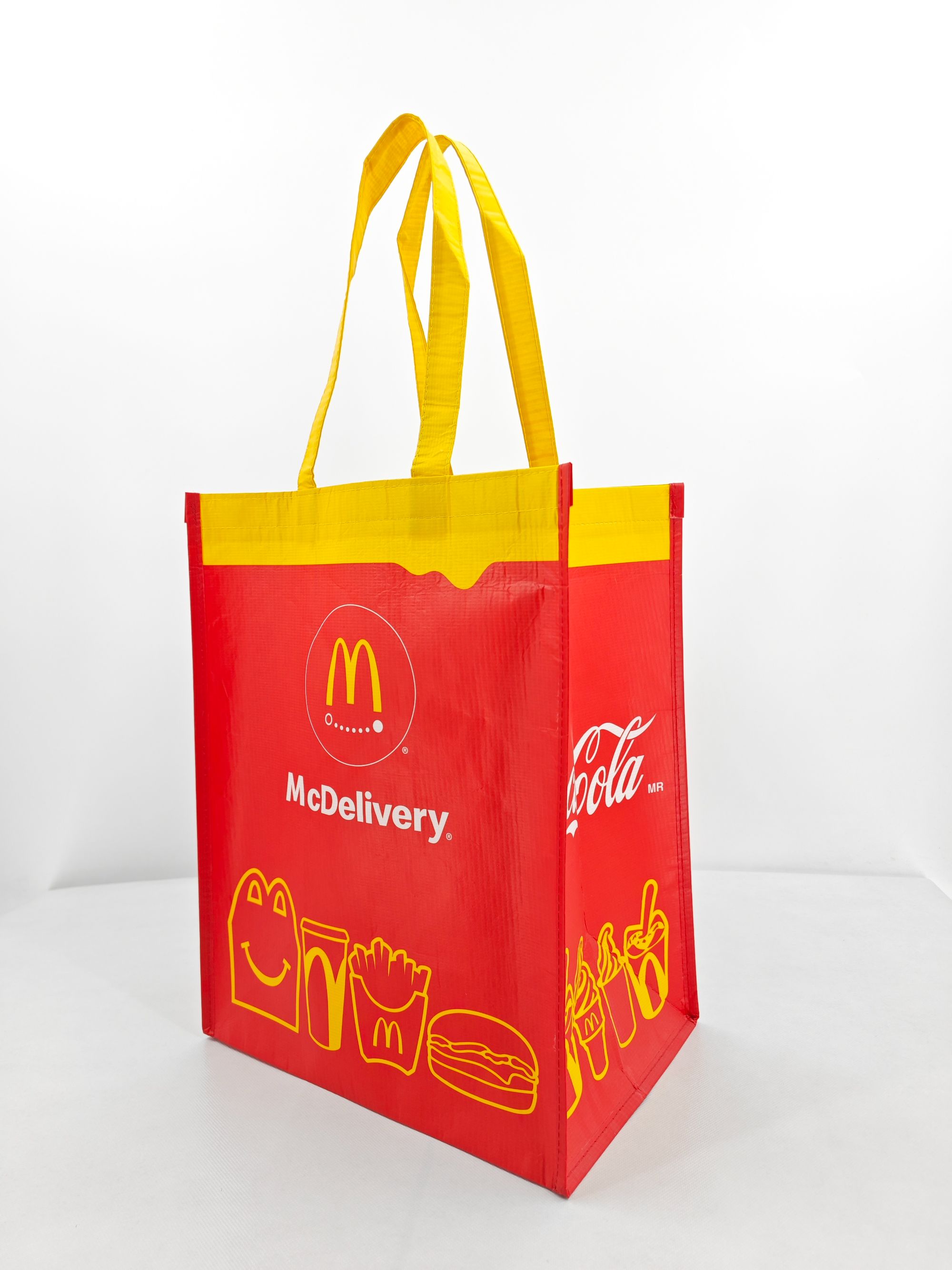
At our Non Woven Tote Bag Factory, every bag begins with an exploration of fibers that sets non-woven material apart—strong, breathable, and inherently versatile. We skip the traditional weaving process, instead bonding polypropylene fibers through heat and pressure, which gives our totes a unique texture and durability without relying on knitted or woven structures. This fundamental difference allows us to create lightweight yet sturdy bags that serve as a perfect canvas for sustainable fashion. Our eco-conscious approach runs deep: from sourcing recycled materials to minimizing water and energy use, we’ve embedded green practices into every stage of production, turning raw fibers into symbols of responsible style.
But the true craft lies in the hands of our artisans, who bring precision and care to cutting, stitching, and finishing each tote. Their expertise ensures every seam aligns with our high standards, even as we produce bags designed with both aesthetics and ethics in mind—clean lines, mindful dye processes, and zero-waste patterns. Customization is where we truly unleash creativity; clients can choose colors, prints, and dimensions, turning a simple tote into a branded statement or personal accessory. Underpinning it all is durability: our bags are tested to withstand daily wear, resisting tears and fading so they can accompany you for years, replacing countless single-use alternatives. In this way, our factory doesn’t just manufacture bags—we cultivate a fusion of artistry, sustainability, and endurance that redefines what a tote can be.
Contact Us
Contact Person: Tony
Email: [email protected]
Tel/WhatsApp: +8615859766913
Website: https://www.cw-pak.com