

OEM At-Home Skincare Devices: The Smart Investment for Modern Beauty Brands
2026-09-18
The skincare aisle is no longer just about creams and serums—it's filling up with LED masks, microcurrent wands, and sonic cleansers. For beauty brands, this shift isn't a trend to watch; it's a signal to act. But building hardware in-house is expensive, slow, and risky. That's why forward-thinking labels turn to OEM partners like Omeina, who turn complex device engineering into a launch-ready product. The real question isn't whether at-home devices belong in your lineup—it's whether your manufacturing strategy will let you move fast enough to capture the demand.
The Quiet Rise of At-Home Skincare Hardware
Sometime between the jade roller craze and the latest serum drop, a quieter category started taking up bathroom shelf space. At-home skincare hardware—LED masks, microcurrent wands, even handheld lasers—has shifted from a niche gadget curiosity to a steady presence. What makes the rise easy to miss is that these devices rarely get the same splashy launches as a new retinol. Instead, they spread through word of mouth, dermatologist waiting rooms, and the slow accumulation of before-and-after photos that look plausible rather than filtered.
The appeal is practical. A decade ago, red light therapy or microcurrent meant booking a spa appointment or visiting a clinic. Now the same underlying technology comes in a rechargeable headband or a palm-sized tool. The price floor has dropped enough that a decent device costs less than two facials, which changes the math for people who prefer consistency over occasional pampering. At the same time, the ritual itself has become less medical and more like a nightly wind-down—glasses on, current humming softly, ten minutes of not scrolling.
None of this happened with a loud marketing push. Instead, the category grew the way good skincare habits do: quietly, unevenly, and mostly because the results were just observable enough to keep people reaching for the charger.
Why Private-Label Devices Outperform Generic Beauty Tools
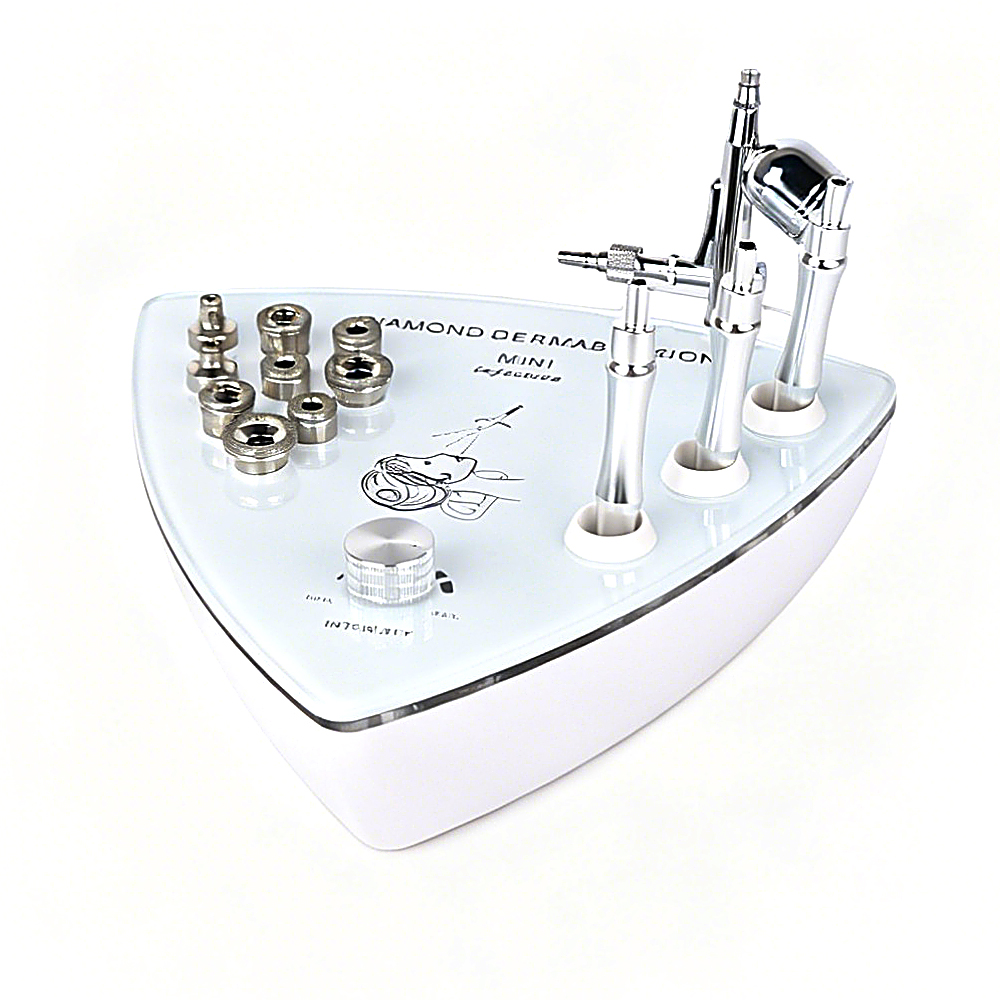
Most generic beauty tools are built to hit a price point, not a performance standard. Private-label devices typically start from a different question: what can we improve about the user's routine? Because the brand controls the entire development process, every choice—from motor speed to the curve of a sculpting head—can be tuned for a specific result. That level of intentionality is rare in off-the-shelf products.
Another quiet advantage is accountability. Generic tools rarely have a name attached to them beyond a distributor's label, which means there's little incentive to refine after the first run. Private-label lines, on the other hand, carry the reputation of the brand behind them. If a device underperforms, it's that brand's problem, so materials, safety testing, and user feedback loops tend to be more rigorous.
You also see it in the small details that are easy to overlook. Private-label devices often use better weight distribution, more intuitive controls, and replaceable heads or batteries that actually make sense for regular use. Generic options can work, but they're rarely designed around how people actually live with a tool. That gap between "functional" and "thoughtfully made" is where private-label devices pull ahead.
Customization That Shapes the User Experience
When every interface feels like it was designed for someone else, users disengage. Thoughtful customization turns the screen into a mirror, reflecting each person’s habits, priorities, and pace. From adjustable dashboards to theme density that respects visual comfort, these choices quietly remove friction before it becomes frustration.
The real shift happens when customization moves beyond surface-level color changes. A user who can reorganize navigation, set notification rhythms, or hide irrelevant modules begins to treat the product as their own workspace. This sense of ownership converts occasional visits into daily routines without demanding more effort.
Subtle defaults matter as much as the available options. Smart pre-configuration based on role or past behavior gives new users a head start, while leaving room for manual tweaks. The result is an experience that feels personal on day one and becomes more tailored over time, without overwhelming anyone with setup decisions.
Backing Device Claims With Real Testing
When a manufacturer touts a battery that can survive a week of heavy use or a screen that shrugs off drops from waist height, the impulse is to nod along and hope the spec sheet doesn't exaggerate. But claims like these only earn trust when they're dragged out of the marketing deck and into a test chamber. Real testing doesn't just confirm a number; it reveals the boundary conditions—temperature swings, voltage sag under load, repeated charge cycles—that a glossy launch event never mentions.
Consider the difference between a lab bench and a living room. A device that holds up in a controlled thermal chamber at 25°C might throttle badly in a pocket on a humid summer day. Rigorous validation means cycling batteries until capacity degrades past 80%, flexing hinges thousands of times beyond the warranty period, and running antennas through a head phantom that mimics real tissue, not an idealized dummy. These are the unglamorous tests that separate an honest claim from a hopeful guess.
And the payback isn't just fewer returns. When engineering teams publish their own failure thresholds—and then prove the product clears them by a comfortable margin—customers start to read spec sheets with less skepticism. That confidence compounds: a charging speed claim verified by third-party power meters, a waterproof rating tested under actual immersion with pressure cycling, a display brightness measured with a spectroradiometer instead of a marketing guesstimate. Backing claims with real testing turns a product release into a promise kept, not a promise defended.
Simplifying Compliance for Faster Market Entry
Navigating regulatory hurdles often slows down product launches, but a leaner approach can change that. Instead of treating compliance as a separate, burdensome phase, teams should embed it into early design and development. By mapping requirements to actual user workflows, you identify only the controls that matter, avoiding over-engineering and rework. This keeps documentation lightweight and decisions fast, so your go-to-market timeline isn't held hostage by avoidable friction.
One practical shift is to replace bulky, static checklists with dynamic risk assessments tied to each market's actual entry conditions. For example, pairing your engineering lead with a local regulatory advisor early on can surface hidden approval dependencies before they become blockers. Small, cross-functional reviews every few weeks keep everyone aligned, cutting down the back-and-forth that typically stalls submissions. The result is a compliance path that feels less like a gate and more like a well-marked route.
Ultimately, speed comes from clarity, not shortcuts. When your compliance evidence is organized around the product's core value—rather than generic documentation dumps—reviewers can approve faster, and your team can iterate without fear. This approach turns regulatory readiness into a competitive advantage, letting you enter new markets weeks or even months ahead of competitors still buried in paperwork.
From Device Adoption to Daily Routine
Adopting a new device often begins with a spark of curiosity. You unbox it, skim the quick-start guide, and spend the first few days tapping through settings, customizing wallpapers, and downloading the apps you think you need. This honeymoon phase is exciting but rarely sustainable. The real shift happens when the device stops feeling like a gadget and starts feeling like an extension of your hand.
What turns occasional use into habit is not a feature list, but a handful of small, repeatable actions. Maybe it is checking the weather while your coffee brews, or using voice commands to set a timer without breaking your cooking rhythm. These moments are unremarkable on their own, but together they build a quiet familiarity. Before long, reaching for the device is no longer a decision; it is simply what you do.
The transition from adoption to routine also depends on friction. A clunky login screen or a battery that dies by mid-afternoon can push the device back into the drawer. The devices that stick are the ones that fit into the gaps of your day without demanding attention. Once that happens, the technology fades into the background, and what remains is just the rhythm of your daily life, slightly smoother than before.
FAQ
Topical products cap out at ingredient absorption limits, while devices create a ritual and visible progress that serums alone rarely deliver. A well-built device also locks customers into a longer usage cycle, which means repeat purchases of compatible gels, replacement heads, or app subscriptions become a built-in revenue stream rather than a hope.
The difference usually comes from the software layer, not just the hardware shell. Custom light wavelengths, pulse patterns, ergonomic adjustments for different face shapes, or a companion app that adapts routines to skin response can make the same base unit feel proprietary. Packaging and unboxing also matter more than most brands expect in the at-home device category.
LED masks and microcurrent tools are leading because they need consistent use and often have consumable elements—conductive gels, activator serums, or replaceable eye shields. Radiofrequency devices follow closely, especially when brands pair them with post-treatment creams that users are reluctant to swap out.
Beyond the usual factory audits, ask to see clinical or performance data on the specific wavelengths, energy output, and safety cutoffs for the exact device you're licensing. Check how the partner handles firmware updates, battery certifications, and returns for defective units. A low per-unit price means little if you're stuck managing a high failure rate.
They design for the strictest market from day one—often EU standards for electrical safety and skin contact—rather than retrofitting later. Working with an OEM that already has CE, FCC, or equivalent documentation for the base platform can cut months off the process. Some brands also stagger launches by region, starting where the device class is treated as a cosmetic rather than a medical device.
Consumers are tired of buying five separate tools. A hybrid device promises more treatment in one session and gives brands a higher perceived value, which justifies a premium price. The catch is that the energy outputs need careful calibration so one mode doesn't overwhelm the other, which is where a skilled OEM makes a visible difference.
Most brands should plan for six to nine months from final spec to shipping, assuming the OEM already has a proven base design. Budgets vary widely, but a modest first run of a simple LED tool can start in the low five figures for tooling and production, while more complex RF or microcurrent units with custom firmware often push into the mid six figures before marketing costs.
Offer the app as an optional layer, not a requirement for the device to function. When data is collected, keep it on-device or use anonymized aggregates rather than tying it to a user's identity. Clear, plain-language consent at setup—not buried in terms—builds more trust than any privacy badge.
Conclusion
The rise of at-home skincare hardware has been quiet but steady, and it is no longer just a niche experiment. Consumers now expect these devices to deliver real, visible results without a trip to the clinic. For beauty brands, this shift opens a clear opportunity: OEM private-label devices can outperform generic tools by aligning every detail with a brand's identity and performance goals. Rather than settling for off-the-shelf products with limited differentiation, companies can shape ergonomics, intensity levels, and even sensor feedback to match their existing skincare line. That kind of customization shapes the user experience from the first touch, making the device feel intentional rather than borrowed. It also gives brands a way to stand apart without resorting to empty promises.
Backing device claims with real testing is no longer optional; buyers have grown skeptical of vague benefits. OEM partners that provide verified efficacy data and streamlined compliance pathways let brands enter the market faster and with fewer regulatory delays. But the larger win comes later, when a device moves from occasional adoption to a daily habit. If the hardware fits naturally into a morning or evening routine, retention improves and the brand earns a lasting spot on the bathroom counter. That kind of stickiness is hard to replicate with generic beauty tools. For modern beauty brands, investing in OEM at-home skincare devices is less about adding another SKU and more about building a durable, everyday relationship with consumers through products they actually use.
Contact Us
Contact Person: Tina Liu
Email: [email protected]
Tel/WhatsApp: 8618681405932
Website: https://www.omeinabeauty.com/