

OEM Silicone Swim Fins Deserve a Spot in Your Custom Swim Gear Lineup
2026-11-16
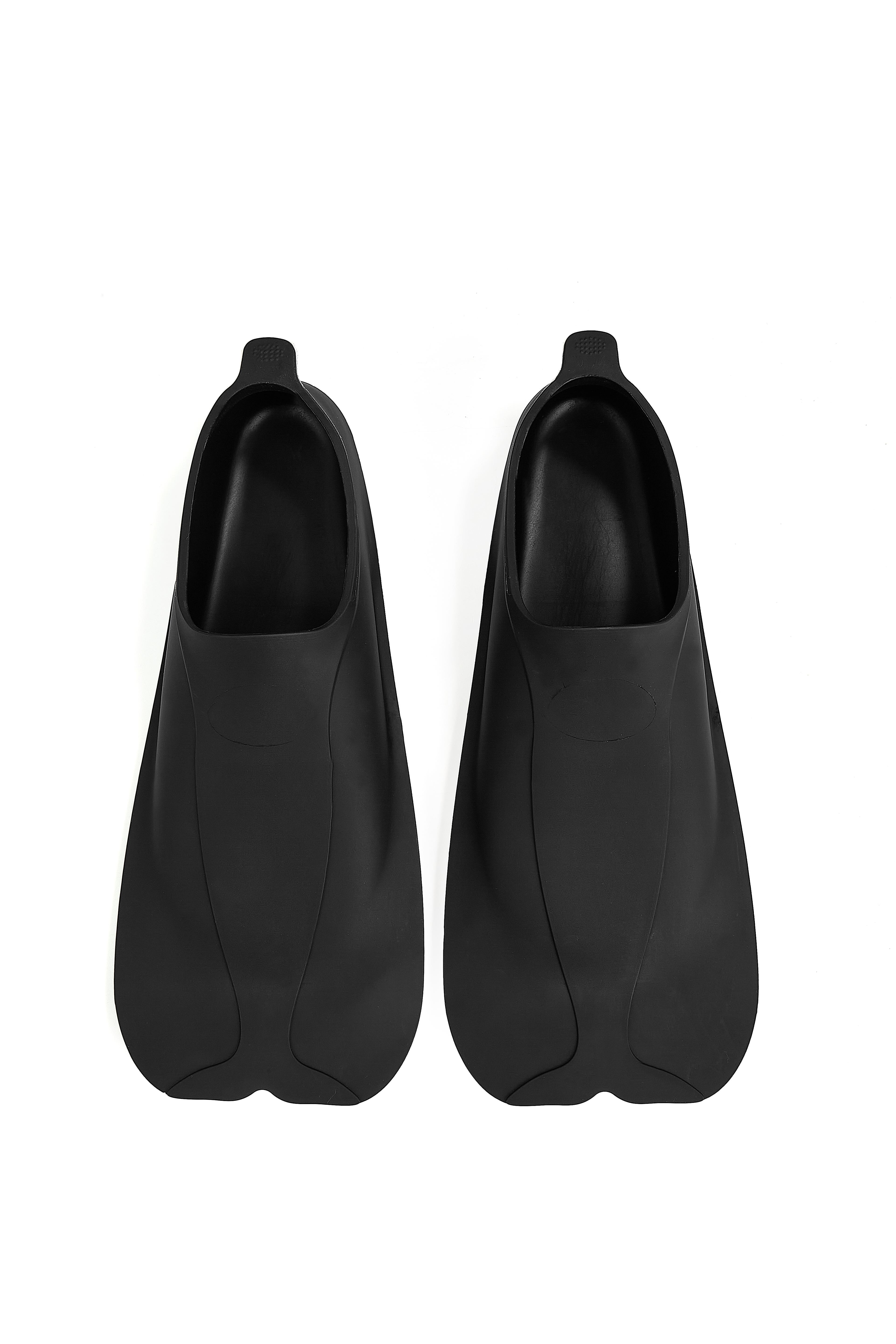
When you're building a swim gear lineup that actually sells, the details underwater matter more than the shelf appeal. Silicone swim fins are one of those categories where customers feel the difference immediately—stiff rubber drags, soft silicone responds. That's exactly why OEM silicone swim fins deserve a real spot in your next custom collection, not just as a filler SKU. At OCORT, we've watched buyers move away from generic molds toward fins that hold their shape, resist tearing, and carry a brand's fit preferences from first kick to final lap. Before you finalize your product mix, here's why this overlooked staple can quietly lift repeat orders.
Why Silicone Fins Feel Different From the First Kick
The first time you kick with silicone fins, the resistance feels oddly soft, almost like the water is pushing back through a layer of thick gel. Instead of the crisp snap of stiff plastic, each stroke bends and unfolds with a slight delay, as if the fin blade needs a moment to decide how much energy to return. That lag isn't a flaw—it's the material storing force mid-kick and releasing it later, which changes the timing of your kick cycle more than most swimmers expect.
Your ankles and feet also notice the difference immediately. Silicone grips the water without chafing, but the foot pocket flexes under pressure, making the fit feel less locked-in than a hard composite blade. Many divers describe it as wearing a fin that cooperates rather than commands. Over a few minutes, this sensation fades as your legs adapt, but the initial kicks can feel unsteady because the fin's bending point shifts farther back toward the arch of your foot.
What really separates silicone from other materials shows up when you stop kicking. The fin continues to wobble and settle for a brief second, storing residual motion like a released spring. That extra movement can make precise turns or hovering feel sloppy at first, until you learn to pause a fraction earlier. It's a subtle adjustment, but once you stop fighting the material and let it finish its flex, the efficiency gain becomes obvious.
The Customization Moves Most Buyers Actually Care About
Customization usually gets sold as a rainbow of colors and a laser-engraved monogram. In practice, most buyers gloss over that stuff. What they actually pause on are things like sleeve length, pocket depth, or a zipper that doesn't catch. Small physical tweaks that fix a problem they've already had with a similar product.
The options worth offering are often the least photogenic ones. A laptop compartment that fits their actual machine. A chair arm that clears the edge of their desk. A cushion fill that won't flatten by spring. These choices don't make a great Instagram story, but they do change whether the item stays in daily use or gets returned after a week.
Speed matters as much as the menu itself. A handful of meaningful choices that ship in three days beats a 14-step configurator that delays delivery by three weeks. Buyers are looking for a product that fits their routine, not a design project. Keep the list short, make each option solve a real hassle, and the customization suddenly feels like common sense rather than a gimmick.
Where Cheap Swim Fins Fall Short and Silicone Holds Up
Cheap swim fins tend to look fine in a product photo but reveal their weaknesses after a few trips to the pool. The foot pocket often feels stiff, the blade loses its snap, and blisters become part of the routine. Once the rubber starts cracking at the stress points, the fins go from uncomfortable to nearly unusable, which means replacing them far sooner than expected.
Silicone changes that equation. It flexes with each kick instead of fighting the foot, keeps its shape in warm or cool water, and resists the small tears that normally appear where the blade meets the pocket. That pliability also reduces the rubbing that turns a long training session into a painful one, so the gear stays comfortable after the first five minutes and well into the next season.
The real difference shows up over time. Budget fins often feel brittle after repeated exposure to chlorine and sunlight, while silicone holds its texture and rebound without becoming tacky or warped. For anyone who swims regularly, that durability usually costs less in the long run than cycling through discount pairs that fail at the worst possible moment.
Turning a Basic Training Accessory into a Brand Signature
Most gym accessories never earn a second glance. They are black, generic, and instantly forgettable the moment they disappear into a bag. The shift starts when a brand treats that overlooked item—the jump rope, the resistance band, the chalk bucket—as a physical extension of its point of view. Instead of stamping a logo on a catalog product, the shape gets slightly reworked, the weight feels deliberate, and the finish catches light in a way that belongs to one name only.
That recognition is built through choices that look small but register fast. A strap might use a signature weave or a muted tone that no one else in the category touches. The edges could carry a subtle texture, the stitching a contrasting thread, the hardware a custom matte coating. These details keep the accessory from feeling like an afterthought. Repeating them across every product turns a single object into shorthand: people see the detail before they see the name.
Once that connection locks in, the accessory becomes the quiet carrier of the brand. It shows up in gym bags, hotel rooms, and travel photos without needing a tag or a caption. Customers begin to treat it less like equipment and more like a marker of belonging. The product no longer has to compete on function alone because it already communicates taste, routine, and identity every time it is left out in plain sight.
Fit Problems That Silicone Solves Without Extra Straps
Most fit issues come down to one thing: the garment can't follow the body's curves closely enough. Silicone changes that by creating a tacky, elastic grip along the inside of straps, necklines, and waistbands. Instead of relying on additional buckles or clips, the material itself holds onto skin or the next layer, keeping a top from gaping at the chest or a waistband from sliding down as you move. The result is a cleaner silhouette because nothing bunches, twists, or needs constant readjustment.
Another common problem is slipping that happens when fabric is too smooth against the body. A thin band of silicone printed or bonded to the inner edge acts like a low-profile anchor. It works on strapless styles, off-shoulder cuts, and even knitwear that usually stretches out over the day. Since the grip comes from contact rather than tension, the garment can sit comfortably without cutting into the skin or leaving deep marks the way tight straps do.
Silicone also handles those small gaps where traditional tailoring fails, especially around armholes and the back of a bodice. Because it flexes with movement, it keeps the edge close during normal activity but releases easily when you take the piece off. This makes it a practical fix for people who want a secure fit without extra hardware or visible adjustments just a quiet, reliable hold built into the design.
A Lineup Decision That Pays Off After the First Swim Season
Coach Reyes circled the third freestyle slot on the relay card back in October and wrote in a name nobody expected: a lanky sophomore who had never broken 25 seconds in the 50 free. The move raised eyebrows because the kid had spent most of his club years grinding through 200-meter breaststroke sets, not sprint work. But the coach saw something in his underwater pull that didn't show up on the meet sheet, and he bet the early-season lineup on it.
By the February district meet, that odd placement had turned into the difference between a consolation heat and a finals lane. The swimmer dropped more than a second and a half off his flat-start time, anchored two relays with clean exchanges, and gave the team a reliable third scorer in an event that had been a weak spot all fall. What looked like a gamble in the first dual meet became the quiet backbone of the lineup by the time the taper started.
FAQ
Silicone holds up far better against chlorine, saltwater, and UV exposure. It keeps its flex instead of turning stiff or brittle after a season, which means fewer returns and a more premium feel for a private label line.
Yes. You can adjust color, overmold accents, blade length, foot pocket shape, strap style, and packaging. Some factories also match Pantone colors and add embossed branding on the blade or heel, so the product doesn't look like a generic catalog item.
They work across the board. Shorter and softer blades suit kids and beginners, while firmer and longer blades fit lap training or lifeguard use. The material lets you tune flexibility without switching molds entirely.
The unit cost is usually higher than cheap TPR or rubber, but the perceived quality and durability can support a better retail price. Many brands use silicone to move out of the budget bracket and build stronger margins through a more premium look.
Look for a factory that offers 3D drawings, prototype samples, and small test runs before mass production. They should also advise on shore hardness, mold flow, and strap attachment points so the final fin performs well rather than just looking good.
Choosing a blade stiffness that doesn't match the target user is common. A fin that's too hard feels tiring for casual swimmers, while one that's too soft disappoints competitive users. Testing with a small group and adjusting the durometer early avoids a lot of dead stock.
Partially. Some suppliers offer recycled silicone blends or reduce waste through precise molding, but claims need to be handled carefully. Ask for documentation on recycled content or durability testing so your packaging stays accurate.
Conclusion
Silicone fins have a way of changing the conversation before a swimmer even finishes their first lap. The blade flexes through the water with a snap that stiff rubber never quite matches, giving each kick a livelier, more controlled response. That difference becomes even more obvious when the fin is shaped around a brand's own color palette, logo placement, or rim detail. Most buyers are not asking for endless technical gimmicks. They want a product that feels intentional—soft enough to reduce chafing, firm enough to keep power in the kick, and finished with the kind of small custom touches that make a lineup feel complete.
Where budget fins tend to crack, discolor, or slip at the heel, a well-made silicone design holds its shape season after season. It forgives narrow and wide foot shapes without relying on extra straps, which means fewer returns and fewer complaints about blisters. That reliability is what turns a basic training accessory into a repeat order. Add a few signature colors or a subtle embossed mark, and the fin stops being a generic add-on—it becomes the item customers associate with your brand. After one swim season, the pattern is clear: stock a durable, better-fitting fin and it quietly earns shelf space, reorders, and word-of-mouth that cheaper products rarely generate.
Contact Us
Contact Person: Wendy
Email: [email protected]
Tel/WhatsApp: 86 18807398467
Website: https://www.zlfswim.com