

Pipe Cleaning Machine Sourcing in China: A Comprehensive Guide for Suppliers and Buyers
2026-04-02
Navigating the complex landscape of pipe cleaning machine sourcing in China can feel like a daunting journey for both suppliers and buyers alike. But what if you had a reliable partner guiding you through every step? At AMJET, we’ve seen firsthand how the right insights can transform challenges into opportunities. In this comprehensive guide, we’ll dive deep into the intricacies of sourcing these essential machines, from identifying top manufacturers to understanding quality standards and logistics. Whether you’re looking to expand your supply chain or find the perfect equipment for your operations, this blog will provide the clarity and confidence you need. Let’s embark on this exploration together and uncover the strategies that set successful sourcing apart.
Introduction to Pipe Cleaning Machines in the Chinese Market
As urbanization continues to expand across China, efficient infrastructure maintenance has become critical, driving the demand for specialized equipment like pipe cleaning machines. These devices, which include high-pressure water jets, robotic crawlers, and vacuum trucks, are essential for tackling the wear and tear in extensive pipeline networks spanning industrial complexes, municipal sewage systems, and residential plumbing.
What sets the Chinese market apart is its rapid adoption of smart technologies tailored for local needs. For instance, some manufacturers now integrate IoT sensors and AI-driven diagnostics into their machines, enabling real-time monitoring of pipe conditions and predictive maintenance schedules. This not only improves cleaning efficiency but also reduces operational downtime, appealing to contractors and facility managers seeking reliable, long-term solutions in a competitive landscape.
Environmental regulations in China have further fueled innovation, with companies developing quieter, energy-efficient models to comply with stricter noise and emission standards. As a result, businesses entering this space can leverage these trends, offering machines that combine durability with cutting-edge features to address the unique challenges of China's dynamic infrastructure sector.
Key Factors for Selecting Top-Quality Manufacturers in China
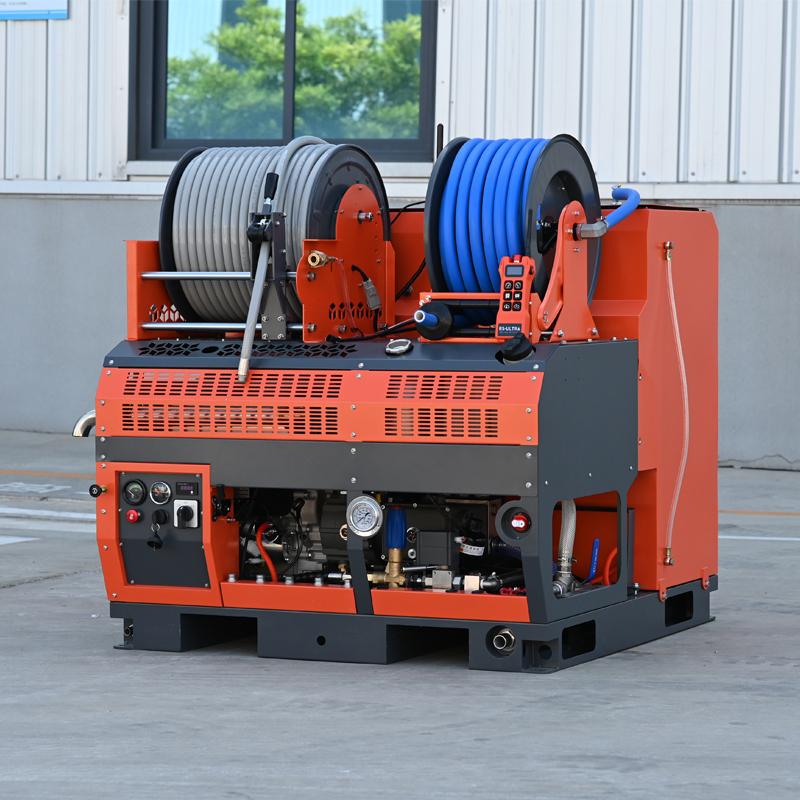
When it comes to sourcing from China, discerning buyers know that identifying a reliable manufacturer goes beyond just comparing price quotes. It's about digging into their production capabilities and quality control systems. Many overlook the importance of visiting facilities in person or through trusted partners to gauge cleanliness, worker expertise, and maintenance practices firsthand. This hands-on approach often reveals more than glossy brochures can, helping you spot hidden inefficiencies or strengths that impact product consistency and delivery timelines.
A manufacturer's reputation in international markets can serve as a powerful indicator of quality. Look for companies with established track records of handling complex orders and adapting to Western standards, such as compliance with ISO certifications or specific industry regulations. Don't just rely on testimonials; seek out case studies or connect with past clients to understand how they manage challenges like material sourcing and communication barriers. This deeper investigation ensures you partner with a firm that's not only capable but also proactive in mitigating risks.
Finally, consider the cultural and logistical aspects that influence manufacturing efficiency in China. Factors like factory location relative to ports, their responsiveness during peak seasons, and their willingness to offer flexible payment terms can make or break a partnership. By prioritizing these nuanced elements alongside traditional metrics, you'll build a resilient supply chain that consistently delivers high-quality products.
Step-by-Step Sourcing Process for Buyers
Navigating the world of sourcing can feel like a maze, but breaking it down into simple, actionable steps makes it much more manageable. Imagine you're planning a big event: you wouldn't just jump in without a checklist, right? Start by clearly defining your needs—whether it's for raw materials, finished products, or services. Jot down specifications, quantities, and any quality standards. This initial groundwork not only saves time down the line but also sets a solid foundation for what comes next, helping you avoid costly mistakes and ensuring you're on the same page with potential suppliers from day one.
Once your requirements are crystal clear, dive into the research phase. This isn't just about googling a few terms; it's about digging deeper. Explore industry directories, attend trade shows, or network with peers to uncover hidden gems. Compare multiple suppliers based on factors like pricing, lead times, and customer reviews. Don't rush this step—taking the time to vet your options thoroughly often leads to better deals and more reliable partners. Remember, a little extra effort here can pay off big in terms of long-term satisfaction and efficiency.
After narrowing down your list, it's time to initiate contact and negotiate. Reach out with a professional inquiry that outlines your needs and asks key questions about capabilities and terms. Be open to discussions; sometimes, suppliers might offer creative solutions you hadn't considered. Once you've agreed on terms, formalize everything with a clear contract to protect both sides. Finally, monitor the relationship post-purchase to ensure everything runs smoothly, making adjustments as needed. By following this structured yet flexible approach, you'll navigate sourcing like a pro, building lasting partnerships along the way.
Essential Considerations for Suppliers to Attract International Clients
Expanding your business globally requires more than just a solid product line; it demands a keen understanding of the diverse needs and expectations of international clients. Start by thoroughly researching target markets to grasp cultural nuances, regulatory standards, and competitive landscapes. Tailoring your offerings to local preferences and ensuring compliance with international trade laws can set you apart from competitors who take a one-size-fits-all approach.
Building trust through transparent communication and reliable service is pivotal. Implement robust customer support systems that accommodate different time zones and languages, and consider offering localized payment options to ease transactions. Showcasing case studies or testimonials from clients in similar regions can further demonstrate your capability and commitment to meeting global demands effectively.
Finally, continuously innovate and adapt based on feedback and market trends to stay relevant. Engaging in networking events and partnerships abroad can also enhance your visibility and credibility, making it easier for international clients to choose your services with confidence.
Overcoming Common Challenges in Sourcing and Supply
Navigating the complexities of sourcing and supply often feels like solving a puzzle where the pieces keep changing shape. One of the trickiest hurdles is dealing with unexpected disruptions, like sudden shifts in market demand or logistical bottlenecks that throw timelines off track. Instead of just crossing your fingers and hoping for the best, a proactive approach involves building flexible relationships with suppliers and keeping a close eye on trends to pivot quickly when needed. It's not about having a perfect plan, but about creating a network that can adapt without missing a beat.
Another common struggle is balancing cost with quality—a push-pull that can make decision-making feel like a tightrope walk. Many businesses fall into the trap of chasing the lowest price, only to find that corners are cut and reliability suffers. A more nuanced strategy focuses on total value, considering factors like supplier reliability, ethical practices, and long-term partnership potential. By prioritizing transparency and open communication, you can often uncover opportunities to optimize expenses without sacrificing what matters most to your operations.
Beyond the logistical and financial aspects, there's a softer yet equally critical challenge: fostering trust and collaboration across the supply chain. In a world where handshake deals are rare, misunderstandings can easily spiral into delays or conflicts. Cultivating a culture of mutual respect through regular check-ins and shared goals helps turn transactions into true partnerships. This human-centric approach not only smooths out day-to-day operations but also builds resilience, making it easier to face future curveballs together.
Future Trends and Innovations in Pipe Cleaning Technology
Looking ahead, pipe cleaning technology is poised for a wave of enhancements driven by smarter, more eco-friendly approaches. Expect to see robotic systems becoming even more autonomous, equipped with advanced sensors that not only detect blockages but also predict potential issues before they escalate. These innovations aim to minimize manual intervention, reduce service times, and improve overall infrastructure longevity, making maintenance less intrusive and more cost-effective for property owners and municipalities alike.
Another exciting trend involves the integration of artificial intelligence and machine learning algorithms into cleaning processes. By analyzing historical data and real-time feedback from pipes, these systems can optimize cleaning schedules and methods, adapting to different pipe materials and conditions. This tailored approach promises to eliminate guesswork, ensuring that cleaning is performed only when necessary and with precision, which can significantly lower water and chemical usage while boosting efficiency.
Additionally, sustainability is a key focus, with innovations like biodegradable cleaning agents and energy-efficient equipment gaining traction. Newer methods might leverage ultrasonic or laser technologies to dislodge debris without harsh chemicals, aligning with global environmental goals. As these trends converge, they herald a future where pipe cleaning is not just about fixing problems but proactively maintaining systems in a way that's both innovative and responsible, reshaping industry standards for years to come.
FAQ
When sourcing pipe cleaning machines in China, key factors include evaluating supplier certifications for quality standards, assessing manufacturing capabilities for custom needs, comparing pricing to ensure value, checking lead times and logistics for efficiency, and reviewing after-sales support for maintenance and parts availability.
Buyers can verify supplier reliability by requesting references from past clients, inspecting factory audits or certifications like ISO, conducting on-site visits or virtual tours, testing sample products, and checking online reviews or industry reputation for consistent performance and compliance.
Common types include high-pressure water jet cleaners for industrial pipes, robotic cleaners for precision tasks, chemical-based systems for specific contaminants, portable units for flexibility, and automated models for large-scale operations, often customizable to various pipe diameters and materials.
Lead times generally range from 4 to 12 weeks depending on customization and order size, with shipping options including sea freight for cost-effectiveness on bulk orders, air freight for urgent deliveries, and land transport for regional markets, all subject to customs and logistical planning.
Sourcing in China often offers lower costs due to economies of scale and competitive labor, but buyers should factor in potential tariffs, shipping expenses, and quality control investments, which can make it comparable or more affordable than regions like Europe or North America when managed effectively.
Best practices include clearly defining specifications in written contracts, setting milestones for inspections, using third-party quality checks, negotiating flexible payment terms (e.g., deposits upon milestones), and establishing clear communication channels to address issues promptly and maintain standards throughout production.
Conclusion
Pipe cleaning machine sourcing in China offers global buyers and suppliers a dynamic landscape shaped by both traditional manufacturing strengths and evolving technological capabilities. As detailed in this comprehensive guide, the Chinese market provides extensive options for pipe cleaning equipment, ranging from basic models to advanced automated systems, with key considerations including manufacturer reputation, quality control, and compliance with international standards. Suppliers looking to attract international clients must emphasize certifications, robust after-sales support, and effective communication to build trust in a competitive environment. Meanwhile, buyers can navigate the sourcing process by following structured steps, such as identifying reliable manufacturers, conducting thorough due diligence, and leveraging industry expos and online platforms to mitigate common challenges like language barriers and logistical complexities.
Looking ahead, the sector is poised for innovation, with emerging trends like IoT integration, AI-driven diagnostics, and eco-friendly cleaning solutions driving future growth. By overcoming challenges such as supply chain disruptions and quality inconsistencies, both buyers and suppliers can capitalize on opportunities in the Chinese market. This guide underscores the importance of strategic partnerships and adaptability, ensuring that stakeholders not only meet current demands but also stay ahead in a rapidly advancing industry. Through careful planning and a focus on long-term collaboration, sourcing pipe cleaning machines in China can lead to successful, mutually beneficial outcomes for all parties involved.
Contact Us
Contact Person: Mike
Email: [email protected]
Tel/WhatsApp: +86 19545555505
Website: https://www.amjeting.com/