

Sheet Metal Supplier Selection: Key Factors to Ensure Quality and Reliability
2026-06-15
Imagine a seamless production line grinding to a halt because of a faulty sheet metal component. Suddenly, timelines collapse, costs skyrocket, and your reputation hangs in the balance. Selecting a supplier isn’t just about ticking boxes; it’s about forging a partnership that guarantees quality and reliability at every turn. At TPS, we understand this intimately. Here are the key factors you should weigh when making that critical decision.
Beyond the Quote: Uncovering True Manufacturing Expertise
Price tags rarely tell the full story. A low bid might hide shortcuts in material selection, while a premium figure doesn’t automatically guarantee flawless execution. The real differentiator lies in how a manufacturer approaches problem-solving when the unexpected happens—whether it’s a sudden design tweak, a supply bottleneck, or a tight deadline. That’s where hands-on know-how and adaptive processes separate genuine expertise from empty promises.
Look beyond polished sales decks and certifications alone. Dive into how a team handles prototype iterations, communicates across time zones, and documents quality checks. Ask for examples of past projects where they turned a client’s vague concept into a production-ready product. True mastery shows up in the details: the way they question your specs to prevent costly mistakes, or how they optimize a design for manufacturability without you having to ask.
In the end, the manufacturer you keep isn’t just a supplier but a silent partner in your product’s success. Their expertise often surfaces in subtle ways—consistent surface finishes, packaging that prevents transit damage, even the clarity of their invoices. These aren’t line items on a quote; they’re quiet proof of a culture that values craftsmanship over shortcuts. When you find a team that sweats the small stuff without fanfare, you’re no longer just buying a service—you’re investing in reliability.
Material Integrity: The Foundation of Durable Sheet Metal
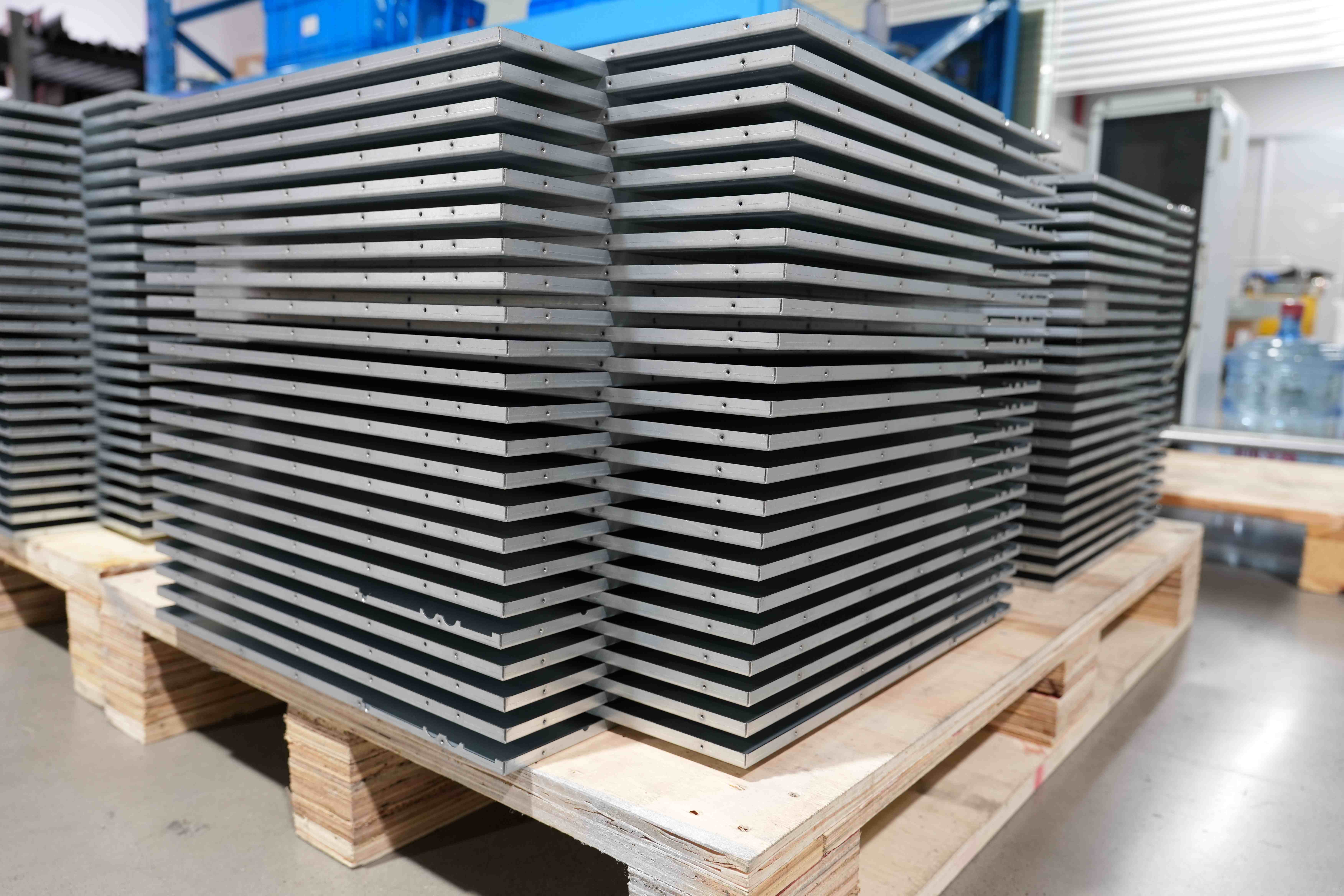
Durable sheet metal begins long before the first bend or weld—it starts with the raw material. The integrity of the metal sheet determines how it handles stress, resists corrosion, and survives repeated loading cycles. Even subtle defects like inclusions, inconsistent grain structure, or surface impurities become failure points under real-world conditions. Selecting the right alloy isn't just about matching a specification sheet; it's about verifying that the material consistently meets purity and mechanical property targets. Overlooking these details often leads to cracks, premature wear, or sudden fractures that no amount of post-processing can fix.
Maintaining material integrity requires rigorous testing and transparency from supplier to finished part. Tensile testing, hardness checks, and microstructural analysis confirm that each batch actually delivers what the datasheet promises, while full traceability ensures any anomaly can be tracked to its source. This approach isn't about adding cost—it's about preventing the far greater expense of field failures and rework. When sheet metal components must hold tight tolerances and endure harsh environments, the foundation is always built on truly consistent, defect-free material.
Precision Engineering: How Tight Tolerances Define Success
In precision engineering, tolerances aren't just numbers on a drawing—they're the line between flawless functionality and catastrophic failure. A 0.0002-inch deviation in a fuel injector nozzle alters spray patterns, slashing engine efficiency. Machinists don't just aim for specs; they chase them with temperature-compensated measurements and vibration-damped spindles, knowing that even microscopic errors compound across assemblies. Success here isn't about getting close; it's about hitting a mark most shops can't even see.
Consider custom orthopedic implants: a hip stem's taper junction demands angular tolerances under 0.005 degrees to prevent fretting corrosion. Grinding such profiles on 5-axis machines requires in-process laser scanning and adaptive toolpaths that correct for wheel wear in real time. The payoff isn't dimensional bragging rights—it's a patient who walks without pain a decade later. Every micron shaved off a bearing journal reduces friction until machinery outlives its warranty by years, not hours.
Living within minuscule envelopes reshapes shop culture. You learn to question morning coffee's effect on hand steadiness, rethink coolant recirculation to dodge ±0.1°C swings, and treat G-code like poetry that must scan perfectly. Old-school inspection with micrometers gives way to white-light interferometry because trusting 'eyeballed' fits went extinct along with manual scraping for peak flatness. When Intel etches circuits 4 nanometers wide, that's not engineering ambition—it's survival, proving that the tightest tolerances aren't goals but prerequisites for even showing up.
Certifications That Matter: Decoding Industry Standards
It’s easy to get lost in the sea of acronyms and shiny badges that flood every industry. The real trick isn’t just collecting certificates—it’s knowing which ones actually shift how people see your expertise. Some credentials carry weight because they’re backed by rigorous, evolving assessments that mirror the messy, real-world problems you’ll face. Others are little more than expensive wallpaper, outdated the moment they’re awarded.
Look past the marketing veneer and focus on who’s doing the endorsing. Is it a neutral, recognized body that specialists actually respect, or a for-profit operation with a generous pass rate? A meaningful certification forces you to demonstrate practical judgment, not just recall. It should align with the way seasoned professionals think, not just how textbooks are structured. When you spot that alignment, you’ve found something worth the effort.
The landscape keeps shifting, and what mattered five years ago might barely register today. The certifications that endure are tied to communities that adapt—where knowledge is refreshed constantly through practitioner input, not just annual updates. They open doors because hiring managers trust them as a filter for genuine capability. Pick ones that challenge you to stay curious, and they’ll do more than decorate your profile; they’ll shape the way you approach your craft.
Supply Chain Resilience: Avoiding Production Delays
Building a resilient supply chain starts with mapping out dependencies that often go unnoticed. When a single supplier controls a critical component, even a minor hiccup can ripple into weeks of downtime. Diversifying sources isn't just about having a backup—it's about regularly testing those alternatives so they're ready to activate without scrambling.
Transparency with suppliers makes a tangible difference. Instead of relying on promised lead times, companies that share real-time production forecasts and inventory data often catch bottlenecks before they become delays. It's not about demanding answers; it's about creating a flow of information where both sides can adjust proactively.
Sometimes resilience comes from rethinking internal processes. Cross-training teams to handle multiple roles or keeping modest buffer stocks of non-perishable materials can absorb shocks that would normally stall an entire line. These shifts aren't costly overhauls—they're practical habits that keep production moving when external pressures hit.
Partnership Over Transaction: The Value of Collaborative Support
Real collaboration doesn’t thrive on one-time exchanges. It grows from a foundation of mutual trust, where both sides consistently show up for each other beyond contractual obligations. Think of the partner who listens to your long-term vision and adapts their approach to help you get there, rather than just pushing their own agenda. That’s when a simple deal becomes a durable alliance.
The value of collaborative support reveals itself in moments of unexpected challenge. When a project hits a wall, a transactional partner points to clauses and deadlines, while a collaborative partner rolls up their sleeves. They share insights, brainstorm solutions, and sometimes even shoulder a bit of the burden themselves. This isn’t charity—it’s a shared investment in mutual success, where everyone wins when the work gets done well.
In a landscape where many chase short-term wins, choosing partnership over transaction sets you apart. It builds a reputation for reliability and humanity that draws in people who appreciate depth over speed. Over time, these connections become a network of advocates who amplify your efforts, offer honest feedback, and open doors you didn’t even know existed. That’s the quiet power of valuing support over mere exchange.
FAQ
A credible supplier often holds ISO 9001 as a baseline, but for sheet metal specifically, certifications like ISO/TS 16949 (if you're in automotive) or AS9100 for aerospace can signal deeper process rigor. Don't just check for the certificates on the wall—ask how they’ve actually implemented these standards in day-to-day operations, like their approach to corrective actions when non-conformances pop up.
Go beyond the glossy brochures and ask to see their production schedule live during a plant visit. Look at machine utilization rates, shift patterns, and how they handle rush orders. A supplier that’s open about bottlenecks and has contingency plans for equipment downtime is usually more honest than one that just quotes a big number. Also, check if they’ve scaled up for similar clients—real examples beat promises.
If a batch of parts fails, you need to know which lot of steel was used, who processed it, and when—fast. Good traceability means the supplier can pinpoint the issue to a specific coil or heat number, potentially saving you from a massive recall. It’s not just about paperwork; it’s about how quickly they can isolate the problem. Ask to see a mock traceability drill if you really want to test their system.
Look at their history with clients similar to your size—not just a generic on-time rating. A reliable supplier will freely discuss their logistics setup, whether they have backup shipping options or buffer stock. If they hesitate to share a delivery performance report or don’t track their own metrics, that’s a caution sign. You can also ask to speak to existing customers directly, not just the curated references.
Bring a challenging drawing and see how their engineers respond. Do they spot potential manufacturability issues upfront? A solid supplier will suggest design tweaks to reduce cost or prevent warping during bending. Check their equipment list—not just for new machines but for how they maintain older ones. If their team can clearly explain the why behind their process choices, you’re likely in good hands.
It’s often the make-or-break factor. A supplier that assigns a dedicated point of contact who understands your project’s context can prevent a lot of headaches. During the evaluation, pay attention to how quickly they respond to inquiries and whether they ask clarifying questions instead of assuming. If they communicate proactively about delays or material shortages before you have to chase them, that’s a strong indicator of a partnership mindset.
Conclusion
Selecting a sheet metal supplier goes far beyond comparing prices and lead times. True manufacturing expertise reveals itself in a supplier's ability to consistently transform design intent into precision components. This begins with material integrity: the use of certified, traceable metals that resist fatigue and corrosion, ensuring long-term durability. It extends into precision engineering, where tight tolerances are not just met but held batch after batch, thanks to advanced equipment and skilled process control. The most insightful evaluations often happen on the factory floor, where you can gauge whether a partner relies on tribal knowledge or embraces systematic quality management. Industry certifications like ISO 9001 or AS9100 provide a baseline, but a supplier's commitment to continuous improvement and problem-solving speaks louder than any certificate on the wall.
Equally critical is supply chain resilience—a partner with diversified sourcing and transparent inventory management can shield your production schedules from unexpected disruptions. Yet resilience alone isn’t enough; the best suppliers act as collaborative extensions of your engineering team. They engage early in design for manufacturability discussions, suggest cost-effective material alternatives without compromising performance, and respond to challenges with proactive solutions rather than finger-pointing. This partnership mindset turns transactional relationships into lasting alliances grounded in mutual success. Ultimately, choosing a sheet metal supplier is about trusting that they care as deeply about your product’s quality and reliability as you do, long after the order is signed.
Contact Us
Contact Person: Lily
Email: [email protected]
Tel/WhatsApp: +49 (0) 2161 49526-0
Website: https://tps-elektronik.com/en/