

Tomato Sauce Factory Secrets: How Small-Batch Producers Craft Rich, Slow-Cooked Flavor
2026-11-16
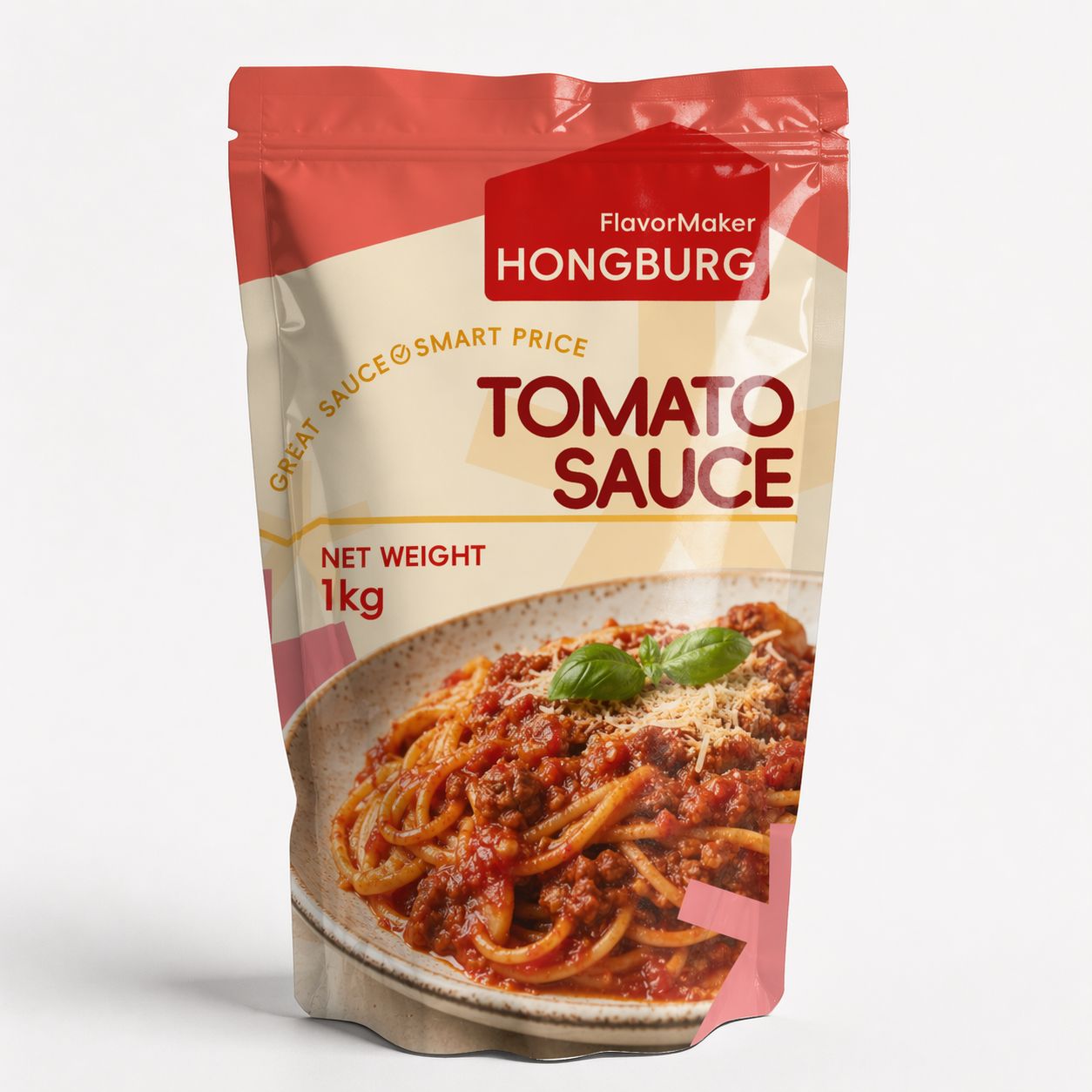
Ever crack open a jar of small-batch tomato sauce and wonder why it tastes so much deeper than the mass-produced stuff? It’s not your imagination—behind those rich, slow-cooked flavors are a handful of unglamorous factory secrets that most brands never talk about. From patiently simmering tomatoes at temperatures big manufacturers won’t touch to sourcing fruit that actually ripened on the vine, these small producers treat sauce-making like a craft. At HONGBURG FLAVORMAKER, we’ve spent years obsessing over exactly these details, and we’re pulling back the curtain on what really happens inside a small-batch tomato sauce factory. Read on—your next jar might never taste the same.
The Tomato Varieties Small Batch Makers Won't Compromise On
For sauce and paste, the varieties that small-batch makers refuse to swap out share a few stubborn traits: meaty walls, minimal gel, and a dry-ish flesh that doesn’t drown a simmer in watery juice. San Marzano still anchors most pots, but plenty of makers lean on Amish Paste or Jersey Devil when they want a deeper, almost raisin-like sweetness without adding sugar. The trade-off is real—these plants often produce less than hybrids, and the fruit bruises if you look at it wrong—yet the flavor concentration makes up for it.
Slicing tomatoes are a different fight. Growers and makers who sell at farm stands or top a sandwich need varieties that hold their texture past noon, not turn to cotton or mush. Brandywine and Cherokee Purple get all the attention, but the quiet workhorses are often Marianna’s Peace, Pruden’s Purple, or a well-grown Mortgage Lifter. They split easily and rarely look uniform, which is exactly why small-batch folks keep them: a cracked shoulder usually means the sugars and acids had somewhere to go.
The interesting shift in the last few years is toward small-fruited, high-acid varieties that bring brightness to ferments, quick sauces, and dried tomato powders. Sunrise Bumblebee, Blush, and Costoluto Genovese show up more often in tiny-batch kitchens because they deliver a sharp, clean finish that heavier types can’t. Most makers trial a dozen new names each season, but the core lineup doesn’t change much—once a variety earns its place through rain, heat, and a packed harvest day, it stays.
Why a Slow Simmer Beats High Heat Every Time
There’s a reason your grandmother never cranked the dial to high. Low, lazy heat gives collagen the time it needs to melt into gelatin, which is what makes short ribs spoon-tender and stews feel silky rather than stringy. Blast the same cut at a rolling boil and those proteins seize up, squeezing out moisture until you’re left with dry, chewy chunks no amount of sauce can rescue.
Flavor also builds differently when you take it slow. Aromatics like garlic, onion, and herbs release their oils gradually, layering into the liquid instead of burning off in a cloud of steam. High heat might get dinner on the table faster, but you’ll taste the rush—flat broth, muted spices, and a sauce that never quite comes together.
And let’s be honest about practicality. A slow simmer doesn’t demand your constant attention; it forgives a forgotten stir or a phone call that runs long. High heat is a tyrant that scorches the bottom the second you turn away. For deep, even cooking without the babysitting, low and slow wins every time.
The Copper Kettle Advantage Most Factories Ignore
Most factories skip copper kettles because the metal fights standardization. A proper copper pot needs hand-hammering or spinning to keep thickness uneven in just the right places—thinner at the rim, heavier at the base. Stamped steel can't mimic that, so the thermal response gets lost on a production line.
The difference shows up when you reduce a sauce. In a 2.5 mm copper vessel, heat spreads sideways almost instantly, so sugar and butter don't scorch at the edges. Sheet metal with a copper-colored coating never behaves that way, no matter how shiny it looks on a shelf.
There's also the upkeep factories don't want to explain. Copper tarnishes, develops a patina, and demands occasional polishing. Many brands avoid the metal because that conversation is harder than selling a nonstick pan. But the off-heat control—yanking a pot away from the flame and watching it stop cooking immediately—is exactly why serious cooks still hunt down old copper instead of buying new.
Balancing Acidity Without Dumping in Sugar
Many people reach for sugar to tame a sharp, tangy edge in sauces, dressings, or baked goods, but that quick fix often flattens the overall flavor. Instead of masking acidity with sweetness, try working with complementary ingredients that soften the bite naturally. Creamy elements like yogurt, avocado, or a splash of coconut milk can round out harsh notes, while a pinch of baking soda will chemically neutralize some of the acid without adding any sugar.
Fruit is another underused tool: a few mashed berries, a spoonful of apple sauce, or even grated carrot brings subtle natural sugars and fiber that mellow a dish without making it taste overtly sweet. Roasting or slow-cooking acidic ingredients like tomatoes, citrus, or vinegar-based marinades also transforms their sharpness into something deeper and more caramelized. This method builds complexity while dialing down the puckering intensity.
Finally, reconsider your acid-to-fat ratio. A glossy drizzle of olive oil, nut butter, or tahini can create a silky balance that makes lemon or vinegar feel bright rather than aggressive. Herbs and warm spices—think cinnamon, cumin, or fresh basil—distract the palate and add aromatic layers, so the acidity becomes part of a harmonious whole rather than the star of the show.
Farm to Jar in Under 24 Hours
The clock starts ticking the moment the first crate leaves the field. Our crew picks tomatoes, basil, and peppers at dawn, when the fruit is still cool and the stems snap clean. By mid-morning, everything is washed, sorted, and moved into the prep kitchen less than two miles away. There's no warehouse rest, no cross-country truck ride, no sitting in cold storage for weeks. The produce goes from vine to workbench in a matter of hours, not days.
Speed isn't just a flex; it changes what ends up in the jar. Basil loses its sharp bite within a day of picking. Tomatoes start converting their sugars and softening the moment they're off the vine. By processing within that narrow window, we capture an acidity and brightness that older produce simply can't match. The herbs are chopped while their oils are still volatile, the peppers still firm, the garlic still sticky with its own juice. That's the difference between a sauce that tastes alive and one that tastes cooked twice.
You'll notice it the first time you open a jar. The aroma hits before the spoon goes in, and the color is closer to the raw fruit than the muted red you often see on shelves. Because nothing sat around waiting to be processed, the final product holds onto more of its natural texture and a cleaner finish on the palate. It's not about preservatives or clever packaging. It's just a very short trip from the soil to the seal.
The Quiet Tweaks Passed Down Three Generations
My grandfather never wrote anything down. The adjustments he made to the family bread recipe lived in his hands—slightly cooler water in summer, a second fold before the rise, the way he pressed a thumb into the dough to test if it was ready. My father copied those moves without asking, then added his own: swapping the salt, resting the loaves an hour longer on damp days. By the time I started baking, the recipe card was just a starting point, covered in crossings-out and margin notes that only made sense to us.
These weren't dramatic changes. A hinge on the garden gate oiled with graphite instead of grease. A row of beans shifted two inches north to catch the afternoon light. Each generation left its own quiet correction, not to improve the thing itself but to fit the way we lived. My mother folded the dough differently because she was left-handed. I use a cast-iron pot because my apartment oven can't hold steam. The original recipe never mattered as much as the habit of paying attention to what was in front of us.
Now when I teach my nephew, I don't start with the measurements. I show him how the dough should feel under his knuckles, how the sound of the crust changes when it's done. Some of my grandfather's tweaks are still there, buried under mine, and a few of my father's I've undone because they no longer fit this kitchen. That's the inheritance—not a fixed method but the freedom to keep making small changes, knowing the next pair of hands will make their own.
FAQ
It comes down to patience and raw material. Small producers often work with specific tomato varieties picked at peak ripeness, then cook them in small kettles for hours. That slow reduction concentrates natural sugars and pectin, giving the sauce a velvety body and deep, rounded flavor that high-speed pasteurization and giant continuous cookers simply can't replicate.
Yes, and the difference is stark. Many small operations favor Roma, San Marzano, or other paste tomatoes with thick flesh and fewer seeds. They also tend to source from local farms or single regions, so the fruit arrives fresher and with higher dry matter. Big factories often blend commodity tomato paste from multiple origins, which means less control over final taste.
Slow cooking drives off excess water and triggers the Maillard reaction and caramelization of natural sugars. It also gives time for glutamates and other savory compounds to develop, especially when the sauce is stirred frequently to prevent scorching. A fast boil might thicken a sauce, but it won't build the same layered, almost meaty depth.
Most use open-top steam kettles or copper pots, which allow gentle, even heating and easy monitoring. Some still stir by hand with long wooden paddles. The key is control: small batches mean the temperature can be adjusted quickly, and the sauce can be tasted and corrected throughout the day rather than relying on automated settings.
Instead of masking acidity with refined sugar, they often let ripe tomatoes do the work. Slow reduction naturally sweetens the sauce. Some add a splash of balsamic vinegar, a carrot, or a small amount of onion early in the cook. Those ingredients round off sharp edges while keeping the tomato character front and center.
A common trick is to add a Parmesan rind, a piece of cured pork, or a spoonful of tomato paste that has been fried in olive oil first. That initial frying of tomato paste deepens its umami. Some producers also rest the sauce overnight before jarring, which lets flavors marry more fully.
Absolutely. Use the best canned whole tomatoes you can find, crush them by hand, and cook them low and slow in a wide pot. Stir often, add a small carrot or onion half for sweetness, and finish with good olive oil. The main difference is scale—small factories have better temperature control, but a heavy-bottomed pot on the lowest burner gets you surprisingly close.
Conclusion
Walk into a small-batch tomato sauce factory and you won't find towering stainless steel vats or high-pressure steam jackets. Instead, you'll see copper kettles—heavy, hand-hammered, and stubbornly old-fashioned. These producers swear by them because copper spreads heat evenly, letting the sauce thicken without scorching. They also refuse to compromise on tomato varieties, choosing only San Marzano or dry-farmed heirlooms that pack dense flesh and low water content. Then comes the slow simmer: four to six hours at a lazy bubble, never a rolling boil, because high heat turns natural sugars bitter and strips away the bright, grassy notes. Acidity gets tamed not with spoonfuls of white sugar, but by adding a splash of late-harvest tomato passata or a pinch of baking soda at the very end—a trick that keeps the flavor round without tasting sweet.
What truly separates these makers is time itself. The best lots go from farm to jar in under 24 hours, so the fruit never sits in cold storage losing its perfume. And then there are the quiet tweaks—a slightly lower flame during the first hour, stirring only clockwise with a wooden paddle, adding a single basil leaf to each jar just before sealing. These details aren't written in any manual; they were passed down three generations, from grandmother to son to grandson, often with no more explanation than "that's how it tastes right." The result isn't a factory product that happens to be slow-cooked. It's a living argument that patience, copper, and stubbornness can beat speed every single time.
Contact Us
Contact Person: Peter Song
Email: [email protected]
Tel/WhatsApp: +86 18920189778
Website: https://www.hongburg.com