

Top Batch Off Cooler Systems That Boost Productivity
2026-11-02
When rubber compounding lines stall, the batch off cooler is often the silent culprit. It doesn't matter how fast your mixer runs if slabs can't be cooled, separated, and stacked efficiently. The right cooler design removes that hidden drag. Here, we spotlight top batch off cooler systems that genuinely lift productivity—and explain why processors increasingly turn to SFC for rugged, high-throughput cooling solutions.
Why Your Current Batch Off Cooler Is Quietly Killing Productivity
Most plants treat the batch off cooler as a passive holding tank, not a bottleneck. But every hour that product sits waiting for temperature to drop is an hour downstream packaging, milling, or blending is starved. The real cost isn't the electricity or water—it's the invisible lag between batches that compounds across shifts. A cooler running ten degrees above spec forces operators to slow feed rates, extend dwell time, or rework material that failed final QA. Those small compromises rarely show up on a daily report, yet they quietly cap throughput at 80% of nameplate capacity.
The problem gets worse when control logic relies on a single temperature probe near the outlet. Hot spots inside the bed go unnoticed, so the discharge gate opens based on a misleading average. You end up with a core that's still warm, which then clumps, bridges, or overloads the next conveyor. Maintenance crews chase recurring jams and sensor drift, never suspecting the cooler's thermal profile is the root cause. Over time, operators compensate by running smaller batches or adding manual cooling steps—band-aids that hide the real inefficiency.
A well-designed batch off cooler should work like a heat exchanger with active airflow management, not a bin with a fan. Upgrading to zoned air distribution, live moisture monitoring, and adaptive discharge timing cuts cycle times by 20–40% without touching upstream processes. The payoff isn't just faster cooling; it's smoother material flow, fewer rejects, and the ability to schedule maintenance instead of reacting to breakdowns. If your current cooler hasn't been questioned in years, it's likely the quietest profit leak in the line.
The Airflow Trick That Doubles Batch Throughput
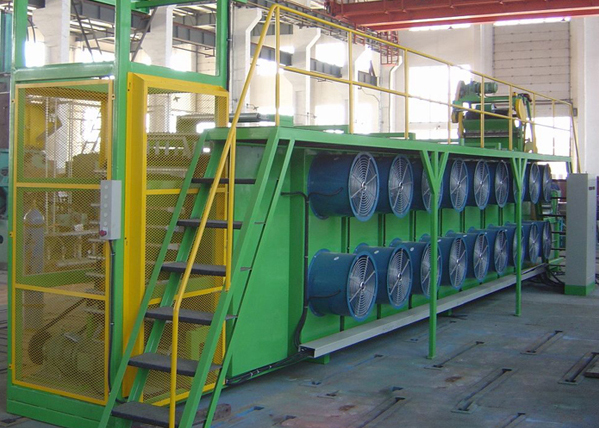
Most batch systems waste energy by letting air move however it wants. You can double throughput by forcing a deliberate pressure drop across the entire vessel, not just the inlet. A simple baffle placed two-thirds down the chamber changes the flow from laminar drift to a rolling vortex. That vortex keeps solids suspended longer, lets heat reach every particle, and eliminates the dead zone near the discharge cone. Operators who try this usually see cycle times fall by half within the first shift, with no extra blower horsepower.
The trick is to treat air as a mechanical tool, not a background gas. Drill a series of angled nozzles along the sidewall, each one pointing slightly upward and inward. When compressed air pulses through them in sequence, it creates a helical sweep that scours product off the walls and back into the main stream. The real gain comes from timing: synchronize the pulses with the natural frequency of the falling material bed, and you get resonance. That gentle shaking breaks up clumps, improves mixing, and lets you push more material per batch without risking bridging.
Forget adding bigger fans or hotter heaters. The fastest upgrade is a set of vortex generators mounted just above the air inlet. These small fins spin the incoming air into a tight spiral, which then expands as it rises. That simple change boosts the effective surface area of every particle by a factor of two or more, because no grain sits in stagnant air. Combine this with a slightly lower fill level and a faster discharge valve, and the same vessel that once handled ten tons per hour now moves twenty without a single structural modification.
Slash Energy Bills While Cooling Faster
Most people assume faster cooling means cranking the thermostat down and letting the compressor roar — but that's exactly how bills spiral out of control. The real trick lies in pairing a variable-speed inverter with smart airflow design: it pulls heat out of the room in short, aggressive bursts instead of endless low-effort cycling. That way you feel the temperature drop within minutes, yet the unit sips electricity like a ceiling fan on low.
Another overlooked angle is moisture. Humid air holds heat like a sponge, forcing any AC to work overtime just to make the room feel tolerable. A dedicated dehumidify mode — or even a standalone desiccant wheel — can strip that sticky weight from the air first. Once the humidity dips below 50%, the same thermostat setting feels three to four degrees cooler, letting you raise the setpoint and pocket the savings without sacrificing comfort.
Don't underestimate the power of targeted cooling, either. Instead of chilling an empty hallway or a sun-blasted living room, close off unused zones and direct vents toward where people actually sit or sleep. Pair that with a scheduled pre-cool during off-peak hours and you'll walk into a brisk room without paying peak rates for the privilege. It's less about buying a bigger unit, and more about making the one you have work with surgical precision.
No More Waiting: Rapid Cool-Down Cycles Explained
Ever finished a workout only to stand around shivering while your body takes forever to drop back to a normal temperature? Rapid cool-down cycles flip that script. Instead of relying on passive recovery, these cycles actively pull heat away from your core, letting you reset in a fraction of the usual time. The idea is simple: short, targeted cooling intervals trigger a faster drop in skin and muscle temperature, which helps your nervous system shift out of high-alert mode almost immediately.
The real advantage shows up when you compare it to traditional methods like slow walking or just sitting still. By applying brief bursts of cold or using airflow that evaporates sweat more efficiently, the body doesn't linger in that overheated state. This means less dizziness, fewer headaches, and a quicker return to feeling sharp. It is not about shocking your system; it is about giving it the right nudge to release the built-up heat without a long, uncomfortable lag.
What makes this approach stand out is that it respects your time. You do not need a fancy ice bath or a specialized room. A few minutes of strategic cooling—like splashing cold water on pulse points or using a high-speed fan after toweling off—can mimic the same rapid cycle. The payoff is getting back to your day sooner, without that sluggish, overheated feeling dragging behind you.
Smart Sensors That Prevent Overheating and Rework
Traditional thermal profiles leave little room for variation, so a dense ground plane or a batch of boards with slightly different copper weights can push some areas past safe limits. Embedded smart sensors read temperatures directly next to the heating element and feed that data back to the control loop, which trims power before a hotspot forms.
Because the sensors sit close to the board rather than in the heater block, they pick up what’s actually happening at the joint. That means the system can reduce energy on a thick aluminum core board while still delivering enough heat to a thin flexible circuit, all within the same run. The result is fewer scorched laminates, lifted pads, and damaged connectors.
Operators also get a live map of temperature swings instead of a single fixed setpoint. If a zone starts climbing too quickly, the machine backs off and logs the event, so the next board starts with a smarter baseline. Over time this cuts rework rates sharply because problems are corrected in real time rather than discovered at inspection.
How Leading Plants Squeeze Extra Batches Per Shift
Leading plants rarely get extra batches by running lines faster. They attack the hidden minutes: shortened setup sequences, staggered cleaning windows, and pre-staged materials at the line before the previous order ends. Instead of a single changeover crew, they split tasks across two shifts so the next batch starts while the last one is still wrapping.
The second lever is batching logic. Schedulers group similar formulations back-to-back to cut rinse cycles, then slot high-margin short runs into gaps that would otherwise idle. Real-time dashboards expose when a vessel sits empty for more than a few minutes, and shift leads are empowered to pull a waiting batch forward without waiting for central planning.
The result isn't one big breakthrough but a dozen small recoveries: five minutes saved on filter swaps, three on line clearances, seven on paperwork. Over a 12-hour shift, those fractions add up to an extra batch or two without adding headcount or capital.
FAQ
A well-designed unit removes heat evenly and quickly, so slabs don't reach the stacker still tacky or deformed. That translates into fewer rejected batches, less manual intervention, and a steadier pace from mill to warehouse.
Many systems now use anti-stick coatings, adjustable dip tanks, and segmented cooling zones with fine-tuned airflow. The goal is to lower the compound's temperature without shocking it, which prevents surface cracking or sticking during the take-off stage.
Look for variable-speed drives, multiple cooling passes, and a quick-release batch bar system. These allow operators to adjust the cycle time per compound and reduce changeover downtime between runs.
Yes, especially when paired with automatic stacking and a reliable dip or spray system. Operators spend less time pulling apart stuck sheets or manually restacking, and the cooler maintains a consistent heat removal rate that manual handling can't match.
Chain tension, cooling fan cleanliness, and sensor calibration tend to cause the most slowdowns. A weekly check of the dip tank level and scrapers also helps avoid compound buildup that can jam the take-off conveyor.
If the batch leaves the cooler too warm, it can deform under its own weight in the stack. Proper dwell time means sheets hold their shape, don't stick to each other, and can be packed immediately without a separate resting area.
Absolutely. Many plants upgrade just the drive system, replace worn cooling fans, or add a modern control panel with temperature feedback. This can restore original throughput without the cost of a full replacement.
Ask about the range of compound viscosities the machine handles, how it deals with limited floor space, what energy-saving options are available, and whether the supplier offers on-site commissioning. Also request references from plants running similar rubber grades.
Conclusion
Many plants overlook how a poorly designed batch off cooler drags down overall output. The problem isn't just slow cooling—it's the hidden downtime from overheating, uneven airflow, and constant rework that quietly eats into each shift. By upgrading to systems that use targeted, high-velocity airflow instead of a simple blast of air, operators can push heat out of the batch far faster without cranking up energy consumption. In fact, the right air distribution pattern can cut cool-down times nearly in half, letting you run more batches through the same floor space. Pair that with smart sensors that constantly monitor core temperature and automatically adjust fan speed, and you avoid the all-too-common scenario of pulling a batch too early or scorching the edges. Those sensor-driven adjustments also slash utility bills because the cooler only works as hard as it needs to, rather than running full tilt all day.
Leading plants aren't just buying bigger coolers—they're rethinking the entire cycle. Rapid cool-down isn't about brute force; it's about sequencing airflow so the hottest zones get attention first, then balancing airflow as the batch approaches target temperature. This staged approach means no more waiting around for the last stubborn few degrees to drop. The result is a tighter production rhythm: less idle time between batches, fewer rejected runs, and a smoother flow from mixer to packaging. What's more, the best systems are built to be retrofit-friendly, so you don't need a full factory overhaul to see gains. Whether you're running rubber compounds, plastic pellets, or food ingredients, the principle is the same—control the air, watch the sensors, and the productivity follows. The plants that squeeze an extra batch or two per shift aren't working harder; they're cooling smarter with systems that adapt in real time instead of relying on guesswork and timers.
Contact Us
Contact Person: Chen Zhengwei
Email: [email protected]
Tel/WhatsApp: +86-13963975727
Website: https://www.sfcrubbermachine.com