

Warehouse Forklift Top Picks for Streamlined Operations
2026-07-23
In today's fast-paced logistics landscape, streamlined warehouse operations aren't just a goal—they're a necessity. The right forklift can make or break your workflow efficiency. Among the top contenders, HANGCHA stands out with solutions that blend power, precision, and innovation. This guide cuts through the noise to highlight the best picks that truly deliver on the promise of smoother, faster material handling.
Forklift Types That Keep Warehouses Moving
In busy warehouses, the choice of forklift can make or break daily operations. Counterbalance trucks are the all-rounders you see everywhere—no outriggers needed, so they slide right up to loads. But when aisles squeeze tight, reach trucks shine by extending their forks into racking like a mechanical arm, stacking higher while taking up less room. For those narrow lanes, order pickers let operators ride up with the goods, slashing the time spent climbing on and off.
Then there are the heavy lifters that tackle the rough and bulky. Rough-terrain forklifts with chunky tires muscle through uneven outdoor yards, keeping lumber or bricks moving regardless of puddles and gravel. Inside, a pallet jack might seem basic, but its electric versions whir silently through stock rooms, moving tonnes without a drop of sweat. Specialized machines like turret trucks combine the tight-space agility of a reach truck with the ability to rotate their forks, letting one operator work both sides of an aisle without turning the whole vehicle around.
Picking the right forklift isn’t just about specs—it's about how work actually flows. A distribution center might run three shifts on a fleet of electric counterbalance trucks, plugging them in during breaks so they never lose momentum. In a cold store, reach trucks modified with heated cabs and freezer-proof hydraulics keep fruit or seafood moving in sub-zero temperatures. Even the humble pump truck earns its keep when short runs need quick turns. It’s this mix of muscle, precision, and fit-for-purpose design that keeps inventory floating from pallet to shelf, day in and day out.
Innovative Features for Peak Efficiency
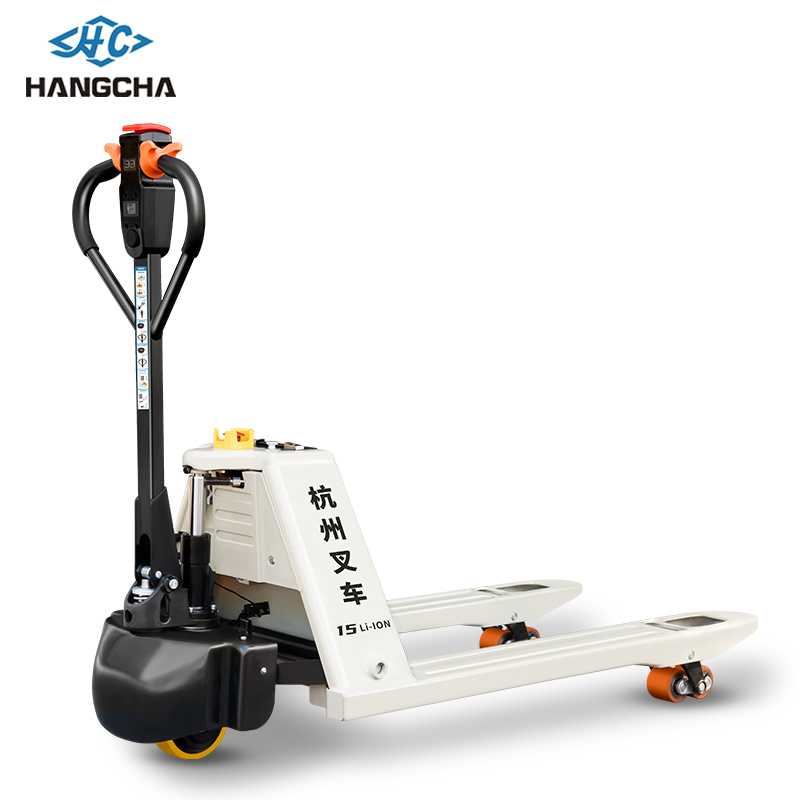
Efficiency isn't just about doing more in less time—it's about rethinking how every task fits together. The latest tools strip away unnecessary steps, letting you glide through complex workflows without friction. Imagine automating repetitive data entry while intelligent suggestions adapt to your patterns, cutting project timelines by hours each week.
Behind the scenes, resource usage scales dynamically rather than running at full throttle constantly. This means lower energy consumption and cooler operating temperatures, even under heavy loads. The system learns when demand spikes and allocates power precisely, avoiding waste and extending hardware longevity.
Collaboration hurdles also dissolve with real-time co-editing that feels as natural as pen on paper. Version control becomes invisible—no more conflicting copies or lost changes. Instead, every iteration is tracked seamlessly, with context-aware prompts surfacing relevant past decisions so teams build on each other's work without endless meetings or status checks.
Safety First, Without Sacrificing Speed
In high-stakes environments, a split-second decision can be the difference between a close call and a catastrophe. We’ve engineered our systems to prioritize protection without throttling performance—because the best safety measure is the one that never gets in your way. Every protocol is built to act in the background, anticipating risks before they become real, so you can maintain momentum without second-guessing your next move.
Conventional thinking suggests that speed and safety exist at opposite ends of a trade-off. We reject that entirely. By weaving redundancy directly into fast-path execution, our approach eliminates the lag that comes from reactive checkpoints. Imagine a safety net that moves with you, not one you have to stop and search for. That’s the difference between a system that protects and one that paralyzes.
Our testing puts this philosophy through extremes—from rapid prototyping to real-world stress runs—and the results speak for themselves. You’ll feel the immediacy of response while knowing that layered safeguards are working tirelessly beneath the surface. It’s not about choosing between fast or safe. It’s about recognizing that true reliability means never having to make that choice at all.
Budget-Savvy Choices That Deliver
Spending wisely isn’t about grabbing whatever’s cheapest—it’s about squeezing genuine value from every dollar. Some of the most rewarding purchases come with modest price tags, simply because they solve real problems without unnecessary frills. Look for items that quietly do their job day after day, and you’ll notice they often outlast their flashier, pricier counterparts.
A little sleuthing reveals that many top-rated products share one trait: they prioritize function over fame. Instead of chasing brand names, tune into trusted reviews from everyday users. Those insights often point to alternatives that perform just as well—or better—without the markup. Over time, these small, informed decisions add up to serious savings without feeling like a compromise.
The real magic lies in rethinking what “good enough” means for you. A streaming device that covers 90% of your needs, a refurbished laptop from a certified seller, or a timeless piece of clothing that looks sharp year after year—each example proves that budget-friendly can also mean high-performing. When you focus on what truly improves your daily life, you stop fixing what isn’t broken and start investing in things that genuinely deliver.
Adaptable Machines for Every Aisle
The layout of your warehouse shouldn't dictate your automation options. You need equipment that molds itself to your operation, not the other way around. Our machines slip into narrow aisles, navigate tight turns, and handle varied load sizes without demanding costly infrastructure changes. From high-density storage areas to irregularly spaced racking, the adaptability is built in—no retrofitting, no headaches.
What happens when seasonal demand shifts your floor plan overnight? Rigid systems become obstacles. Our technology reads the environment in real time, adjusting routes and lifting behaviors on the fly. Whether it's pallets stacked haphazardly on a receiving dock or fragile items tucked into deep shelving, the same unit shifts seamlessly between tasks. This isn't about programming endless exceptions; it's about machines that figure things out as they go.
The real payoff shows up in mixed-case fulfillment. One moment it's reaching high for a bulk box, the next it's delicately picking a single item from a crowded shelf—all within the same aisle pass. Operators trust the equipment to work alongside them without designated zones or safety cages, because the systems recognize when to slow down, when to reroute, and when to wait. That's the kind of aisle-friendly intelligence that keeps the whole chain moving, no matter what changes tomorrow brings.
Real-World Performance Insights
Understanding how a system performs under real conditions often reveals surprises that synthetic benchmarks fail to capture. Simulated tests can measure raw throughput, but they rarely account for the unpredictable traffic patterns, network latency spikes, and data hot spots that occur in production. Gathering metrics from live environments—such as response time distributions, error rates under peak load, and resource saturation points—paints a far more accurate picture of true reliability and scalability.
One common discovery is that the 99th percentile latency, not the average, dictates user experience. While a service might respond in under 100ms on average, a small fraction of requests could take several seconds due to garbage collection pauses, lock contention, or slow downstream dependencies. By digging into these outliers through distributed tracing and real-time monitoring, teams can pinpoint exactly where time is lost and optimize the critical path, often achieving improvements that elude benchmark-driven tuning.
Beyond technical metrics, real-world performance is heavily influenced by human factors: how developers interact with APIs, which features are actually used, and the deployment cadence of the organization. A database that performs brilliantly in a lab might struggle when schema changes happen weekly without proper indexing, or when queries are constructed dynamically by an ORM that generates inefficient joins. Observing these patterns in production not only drives better design decisions but also fosters a culture of continuous performance engineering grounded in reality rather than theory.
FAQ
For high-density storage, reach trucks and narrow-aisle forklifts often outperform standard counterbalance models. They're designed to maneuver in tighter spaces and lift to greater heights without sacrificing stability. Electric models are especially popular here because they eliminate emissions and operate quietly, which keeps the indoor environment more comfortable.
Electric forklifts tend to shine in indoor settings since they're cleaner, quieter, and require less routine maintenance—no oil changes or fuel filters to worry about. That translates to less downtime and steadier throughput. Internal combustion trucks still have their place outdoors or in very heavy lifting scenarios, but for most streamlined warehouse operations, electric is the go-to for keeping things moving without interruptions.
Look for ergonomic touches like adjustable seats, intuitive controls, and clear display panels. Advanced suspension systems and automated mast controls also take a lot of the physical strain out of repeated lifting. Many modern models offer customizable performance settings so each driver can fine-tune the responsiveness, which keeps them alert and efficient across a full shift.
Absolutely. Side shifters, fork positioners, and integrated scales can shave noticeable time off each task. For instance, a fork positioner lets the driver adjust tine spacing without leaving the seat, while an onboard scale prevents trips to a dedicated weighing station. These small upgrades stack up to much smoother material flow throughout the day.
Lithium-ion batteries charge faster and can be opportunity-charged during breaks without harming battery life, so you avoid the downtime of swapping lead-acid batteries. They also provide consistent power output right up until depletion, which means the forklift performs the same at the end of a shift as it did at the start. That predictability is a big win for operations that can't afford slowdowns.
It's a game changer if you're serious about eliminating waste. Real-time data on utilization, impact events, and charging patterns lets you spot bottlenecks and underused equipment. With this insight, you can right-size your fleet and schedule maintenance proactively instead of waiting for a breakdown, which prevents unpleasant surprises and keeps your workflow predictable.
Fast travel and lift speeds are obvious priorities, but sensitive proportional hydraulics can make a massive difference in tight spaces. When operators can feather the controls precisely at speed, they position loads faster with fewer corrections. Pair that with regenerative braking and you also reclaim energy during frequent deceleration, which stretches runtime in stop-and-go operations.
Conclusion
In modern warehouses, the right forklift can transform material handling from a bottleneck into a competitive advantage. Top choices for streamlined operations span a spectrum of types—from electric counterbalance forklifts that excel in indoor efficiency to narrow-aisle reach trucks that maximize storage density. These machines keep workflows moving not just through brute strength, but through intelligent features like regenerative braking, lithium-ion batteries that opportunity-charge during breaks, and telematics systems that track utilization and prompt proactive maintenance. Safety innovations like 360-degree camera systems, automatic speed reduction in pedestrian zones, and stability control ensure that fast-paced operations don't compromise worker well-being.
Budget considerations are equally critical: many operations find that refurbished or short-term rental units offer a smart path to performance without the capital outlay, while newer models with energy-efficient motors cut long-term costs. Versatility also matters; adaptable forklifts with adjustable forks, side shifters, and quick-change attachments can handle everything from pallets to oddly shaped loads, navigating varied aisle widths. Real-world data shows that warehouses pairing the right equipment with operator training see double-digit gains in throughput and significant drops in product damage. Ultimately, the best picks are those that align with specific operational rhythms, blending power, precision, and practicality to keep goods moving seamlessly from receiving to dispatch.
Contact Us
Contact Person: Liuxue
Email: [email protected]
Tel/WhatsApp: +86-19084200370
Website: https://www.hf-ec.com/