

Wholesale Eco-Friendly Paper Boxes for Smart Sustainable Packaging Solutions
2026-11-27
Packaging often tells a louder story than the product inside it. For brands trying to reduce waste without sacrificing shelf appeal, the usual options feel like a compromise. This is where wholesale eco-friendly paper boxes stop being just containers and start working as part of a smarter packaging strategy. Zemeijia approaches that shift from a practical angle: materials that are easier on the planet, structures that ship efficiently, and designs that still hold attention. In the sections ahead, we’ll unpack what makes paper-based packaging a genuine alternative, not just a green label.
Why Custom Paper Boxes Are Quietly Replacing Plastic in Modern Retail
Walk through a mid-sized retail store today and the change is almost imperceptible at first: fewer clamshells, fewer rigid blister packs, more softly textured boxes with printed interiors and matte finishes. Custom paper boxes have stopped being a compromise for eco-conscious niche brands and become the default choice for everything from cosmetics to electronics accessories. The reason isn't one dramatic shift but a slow accumulation of small advantages—cheaper inbound freight, fewer damaged returns, and a surface that actually invites touch rather than warning against it.
Plastic packaging often felt like a barrier between the product and the buyer, especially when sealed edges made opening a purchase feel like a chore. Paper changes that ritual. A well-designed paper box opens with a certain weight and friction, holds its shape, and can carry embossed logos, interior printing, or a short message without looking like a label was slapped on as an afterthought. Retailers have also noticed that paper doesn't carry the same quiet guilt at the checkout counter; customers are less likely to hesitate when the package can go straight into a recycling bin instead of lingering in a landfill.
Behind the shelf, the economics are shifting too. Paperboard production has become faster to adapt to short runs and seasonal packaging updates, while plastic tooling costs remain stubbornly high for small and mid-size orders. That flexibility lets retailers test new designs without long commitments, and reuse the same structural template across multiple product lines with only the printed sheet changing. In that sense, custom paper boxes aren't just replacing plastic visually—they're replacing the slow, rigid supply chain that came with it.
What Actually Makes a Paper Box Sustainable Beyond the Recycling Label
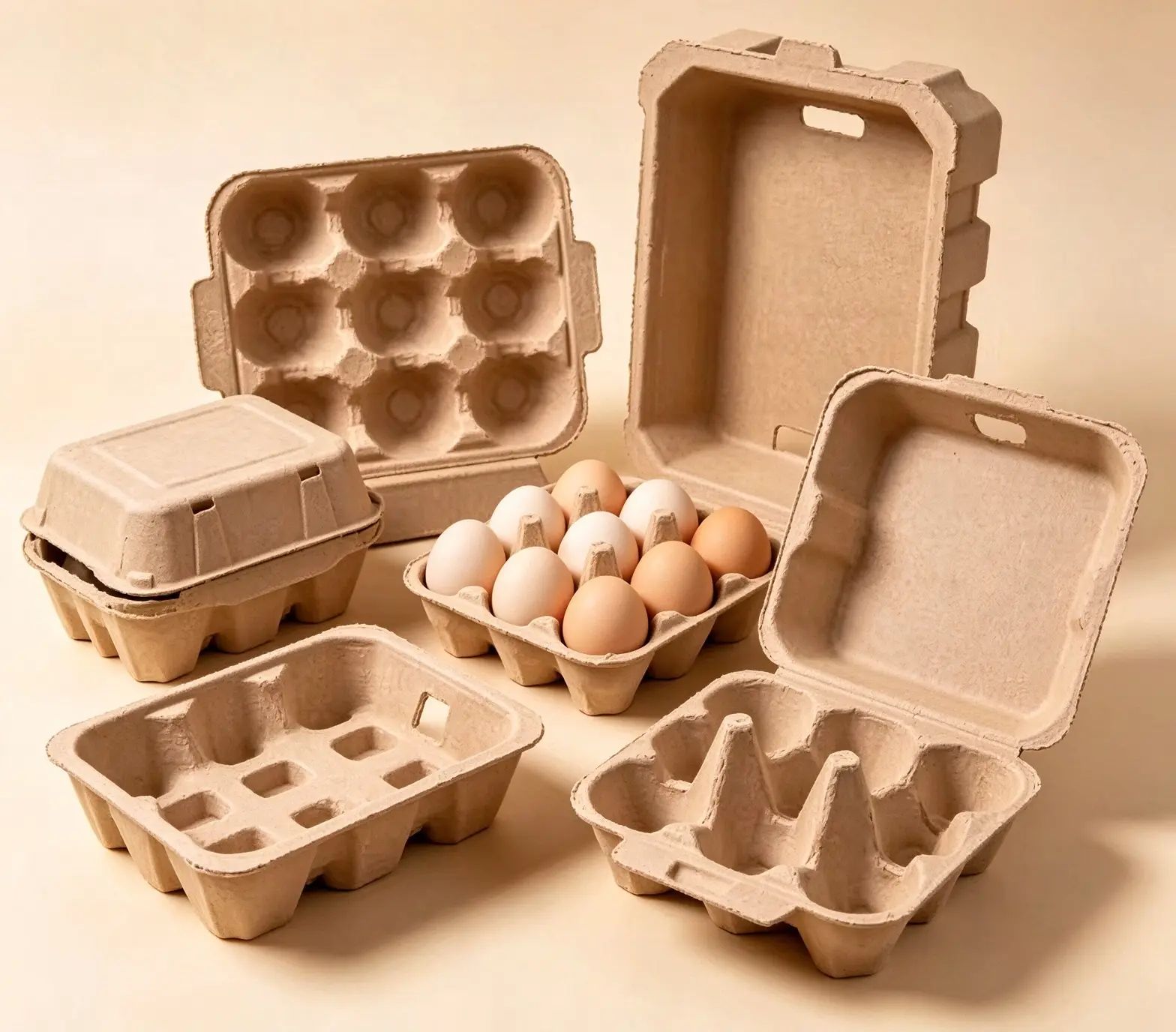
A recycling arrow printed on the bottom of a box often flattens a messy reality. The real story starts with the fiber: whether it comes from recycled pulp, well-managed forests, or agricultural residue, and how much water, energy, and chemical input the mill required. Boxes with high recycled content can still carry plastic laminates, wax coatings, or solvent-based inks that clog pulping equipment or leach into compost, so the label rarely indicates whether the material will actually return to use.
Design decisions matter before disposal is ever considered. A box that uses a single material, folds flat without losing strength, and avoids foil stamping or plastic windows has a far better chance of staying in circulation. Durable construction encourages reuse, while lighter weight and tighter dimensions reduce shipping fuel and warehouse space. Where a barrier is needed, water-based or mineral coatings can often replace polyethylene film, keeping the package repulpable without sacrificing protection.
End-of-life claims only hold up where infrastructure does. Recyclability means little if local sorters reject the format or if the fibers become too short after repeated processing. Compostability can be valuable for food-soiled boxes, but only when industrial composting facilities actually accept them. The deeper measure is whether the box supports a loop that preserves material quality and avoids shifting environmental costs to another stage of the supply chain.
How Bulk Eco-Friendly Packaging Cuts Costs Without Looking Cheap
Most people assume going green means paying a premium, but bulk ordering flips that logic on its head. When you buy recyclable mailers or compostable void fill by the pallet, the per-unit price often drops below what you would pay for standard plastic alternatives. Suppliers reward volume with better rates, and lighter materials can trim dimensional weight charges on every shipment. The savings compound quietly in your fulfillment budget, freeing up cash for better product photography or faster shipping thresholds.
The trick is avoiding the flimsy, wrinkled look that customers associate with cheap packaging. Thicker kraft paper, natural cotton twine, and matte soy-based inks give an unboxing experience that feels intentional rather than budget-driven. A simple logo stamp on a sturdy recycled box reads as artisanal care, not cost-cutting. Buyers are more likely to forgive a plain exterior when the inside is neatly padded with molded pulp or shredded recycled paper instead of foam peanuts.
Another overlooked saving comes from shelf space and storage. Bulk eco-friendly supplies tend to be flatter when collapsed, taking up less warehouse room than bulky foam or bubble wrap rolls. That means lower rent per square foot and fewer restocking runs. Over a year, these operational efficiencies add up to a margin improvement that has nothing to do with raising prices and everything to do with smarter material choices.
Designing Smart Paper Packaging That Protects Products and Brand Perception
Smart paper packaging often starts with a tension that isn't obvious from the outside: adding sensors or moisture indicators can weaken the very substrate meant to cushion a product. Designers who get this right tend to treat the paperboard itself as an active layer rather than a blank surface. Creasing patterns, flute density, and coating compatibility are mapped before any conductive ink is applied, because a fold line that cracks a printed trace will fail long before the box reaches a customer's hands.
Beyond physical protection, the package has to carry a brand's tactile signature. A smart label that flashes a temperature warning means little if the unboxing feels flimsy or the matte finish smudges under normal handling. Some of the most effective designs keep the intelligent features nearly invisible: a small color-shifting patch near the seal, a perforated tab that reveals whether humidity spiked during transit. These details preserve the paper's natural warmth while giving logistics teams useful data.
Testing makes the difference between a clever prototype and packaging that survives real supply chains. Drop tests, vibration tables, and accelerated aging should include the embedded electronics or chemical indicators, not just the paper shell. When failures occur, they usually point to an interaction between materials, such as adhesive residue changing conductivity or a bio-coating dulling a printed sensor. Iterating at that material level produces packaging that protects both the product inside and the impression left when it arrives.
Choosing the Right Wholesale Partner for Consistent Green Packaging
A supplier's recycled content claims mean little without batch-level documentation. Ask for certificates from independent auditors, but also request physical samples from three separate production runs. Smell, stiffness, and print adhesion often reveal more about material consistency than a data sheet.
Look at how the partner handles rejects and delays. A wholesaler that ships inconsistent thickness or poorly folded boxes will quietly erode your brand. The right partner should have a documented quality hold procedure and be willing to share their internal reject rate, not just a glossy capabilities deck.
Once you narrow the field, run a small pilot order during a peak season. That is when capacity strain shows up. If the packaging arrives uniform and the account manager flags a minor variation before you notice it, that is a partner worth keeping.
Realistic Ways to Scale Sustainable Packaging Across Multiple Product Lines
Scaling sustainable packaging rarely fails because the materials are wrong. It stalls when each product team keeps solving the same problem in isolation. Start with a packaging audit at the SKU level, but don't treat it as a one-time cleanup. Group items by tray size, void fill needs, and damage history rather than by category. That single step often reveals that three or four box footprints can replace nineteen, which immediately cuts material variety and makes recycled-content purchasing more realistic.
From there, shift the conversation from "sustainable material" to "fewer material families." Pick two or three substrates that work across most lines—such as a high-recycled-content corrugated, one curbside-recyclable film, and a molded fiber insert—and design new products into those constraints. This does not mean every item gets identical packaging. It means the exceptions become deliberate, reviewed decisions instead of default habits. Production teams can then qualify suppliers on actual performance, run aging tests, and lock in pricing without renegotiating for each launch.
Rollout should happen line by line, not through a company-wide memo. Choose one product family with stable volumes and a motivated operations lead. Run a three-month pilot with tracked damage rates, return rates, and pack-out time, then publish the results internally before expanding. The goal is to make the more responsible option the easier operating decision, not to rely on brand storytelling or a sustainability pledge that fades after one quarter.
FAQ
They work well for lightweight to mid-weight goods like cosmetics, candles, apparel, small electronics, and food items with an inner liner. The design handles everyday shipping and shelf display without adding unnecessary bulk.
Yes, most wholesale orders can be tailored. You can adjust length, width, height, and print placement. It helps to share your product specs early so the structure and artwork fit together cleanly.
They are made from paper-based materials and are generally accepted in curbside recycling as long as any coatings or adhesives are minimal. If you need a fully curbside-friendly option, it is worth confirming the finish and lamination details.
It depends on the size and customization level, but many suppliers start around 500 to 1,000 units. Smaller trial runs are sometimes possible at a higher per-unit cost.
They are designed with fluting or rigid paperboard options, so they resist crushing better than standard folding cartons. For heavier items, a thicker board grade or internal inserts will make a noticeable difference.
In most cases, yes. A physical sample lets you check the print color, cut, and assembly. Some suppliers charge a small sample fee that is later deducted from the production invoice.
Water-based coatings and uncoated kraft finishes are common choices. Matte or glossy lamination can still be used, but it may affect recyclability depending on local facilities.
They tend to sit in a reasonable mid-range for custom packaging. Because the material is lighter than rigid plastic or wood, shipping weight and dimensional costs often come down slightly, which can offset the unit price.
Conclusion
Retailers are quietly shifting from plastic to custom paper boxes not because of a single regulation or trend, but because the material now performs better across the supply chain. A well-cut paperboard structure can hold awkward shapes, absorb minor impacts, and still feel deliberate in the hand. Sustainability goes deeper than the recycling label: it lives in thinner yet stronger board, water-based inks, compostable coatings, and designs that remove unnecessary layers. Buying these boxes in bulk does not mean settling for a generic look. Volume purchasing lowers unit cost while still allowing custom inserts, printed interiors, and distinctive finishes that make packaging feel considered rather than cheap.
Smart packaging design protects both the product and brand perception. A box that arrives scuffed or collapses at the corner undermines the quality of what is inside, so structural choices should match the actual journey from warehouse to doorstep. Working with a consistent wholesale partner helps maintain board weight, color accuracy, and sizing across reorders, which is essential when expanding into multiple product lines. Rather than redesigning everything at once, brands can standardize a few core formats, adjust inserts or labels per product, and scale gradually without disrupting operations. This approach keeps sustainable packaging practical, repeatable, and aligned with how a business actually grows.
Contact Us
Contact Person: Sasha Du
Email: [email protected]
Tel/WhatsApp: +86 13869836645
Website: https://www.zmjpackagings.com/